
Creighton University School of Medicine (Omaha) Program
The Creighton University School of Medicine’s Radiology-Diagnostic Residency Program offers an extensive training environment designed to develop proficient, board-certified radiologists who are well-prepared for diverse medical environments. The program is characterized by its small size, consisting of only 12 residents, which fosters a close-knit community enriched with camaraderie and ample opportunities for hands-on learning.
Mission Statement and Program Aims
The program aims to educate residents in medical imaging, including the interpretation of various imaging modalities and performing interventional procedures. Additionally, it seeks to cultivate interdepartmental relationships that enhance patient care and provides a diverse educational experience by exposing residents to both academic and community-based settings. The program strives to develop lifelong learning practices and produce versatile radiologists who are focused on quality and safety in patient care 1.
Curriculum Overview
The Radiology-Diagnostic Residency Program features a comprehensive curriculum that incorporates diverse rotations across various subspecialties, including cardiothoracic imaging, abdominal imaging, pediatrics, and interventional radiology. The rotation structure allows first-year residents to receive foundational training while gradually increasing their responsibilities throughout their training years 6.
Key rotations include:
- Cardiothoracic Imaging: Residents engage in diagnostic chest radiography and have opportunities to participate in cardiac CT and MRI studies.
- Abdominal Imaging: This rotation includes interpreting abdominal radiographs and performing fluoroscopic studies.
- Musculoskeletal Imaging: Residents interpret images from various imaging modalities, focusing on traumatic injuries.
- Pediatric Radiology: Conducted at the Children’s Hospital and Medical Center, residents experience imaging of pediatric patients across a range of conditions and modalities.
- Interventional Radiology: This rotation emphasizes procedural skills and clinical decision-making in the context of interventional radiology.
In addition to these clinical rotations, residents participate in lectures, journal clubs, and case presentations to reinforce their learning 8.
Research and Scholarly Activity
The residency program emphasizes scholarly activities, encouraging residents to engage in research and contribute to the field of radiology. Residents have opportunities to present their research at national meetings, and the program fosters a collaborative environment for sharing and discussing innovative ideas and case studies 9.
Training Environment and Facilities
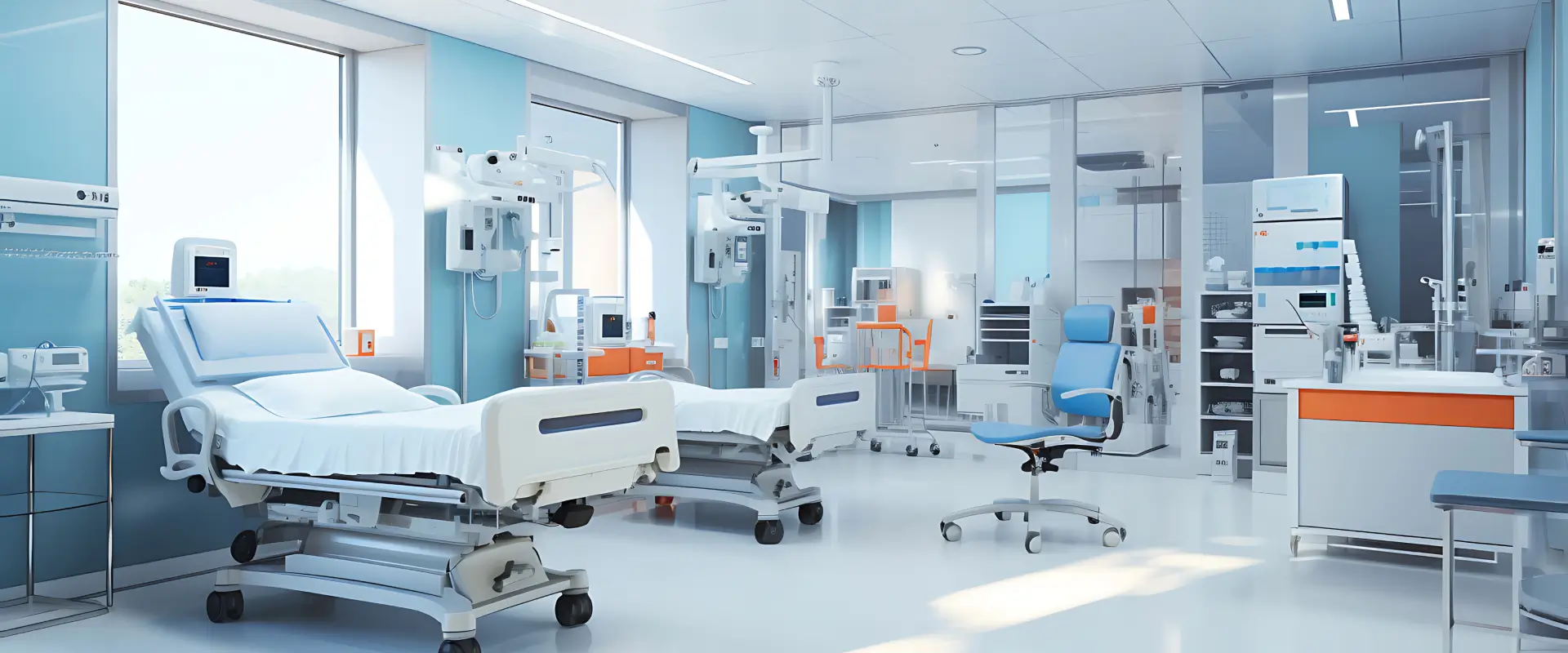
The residency is based at the CHI Health Creighton University Medical Center – Bergan Mercy Hospital, equipped with advanced imaging facilities that support a high case volume. The hospital performs over 112,000 examinations annually, ensuring residents have abundant learning opportunities 6. The department’s training resources include access to digital learning tools, like StatDX, to enhance resident education.
Visa Support
The program offers visa support for international medical graduates, sponsoring J-1 and H-1B visas. This enables qualified international applicants to apply and participate effectively in the residency program, ensuring a broad and diverse resident community.
Competitiveness and Application Requirements
The residency program is considered competitive for applicants. It is friendly towards both DO (Doctor of Osteopathic Medicine) and IMG (International Medical Graduate) applicants, thus broadening the pool of potential residents. Special application requirements include a focus on board examination performance and relevant clinical experiences. Additionally, there may be stipulations regarding the year of graduation from medical school and the number of attempts on standardized exams 1.
Living in Omaha
Omaha offers an appealing environment for residents, combining a manageable cost of living with a rich cultural scene, outdoor activities, and a supportive community 7. The residency program recognizes the importance of work-life balance, promoting wellness and social events among residents to foster a supportive atmosphere.
Through this comprehensive structure, the Creighton University School of Medicine’s Radiology-Diagnostic Residency Program equips its residents with the skills and experiences needed to excel in their radiology careers while fostering a supportive and collaborative learning environment.
Web Sources
Director
Coordinators
Program
Training
Quality of Life
Admission
Match History
Location
Living in Omaha, NE
Omaha, NE is a city with a strong sense of community and a relatively low crime rate, making it a safe place to live. The city offers a variety of fun activities including parks, museums, and a vibrant arts and culture scene.
The climate in Omaha features all four seasons, with hot summers and cold winters. The city is home to a diverse population with various races and ethnicities.
Omaha has a good education system, with schools ranging from public to private options. The cost of living in Omaha is lower than the national average, making it an affordable place to reside.
Nearby bigger cities include Kansas City (about 3 hours drive) and Des Moines (about 2 hours drive). These cities offer additional entertainment, dining, and cultural opportunities for residents willing to take a short trip.
Pros: Community-oriented, low crime rate, diverse population, affordable cost of living.
Cons: Extreme temperatures (hot summers, cold winters), may not have as many big city amenities as some other locations.