
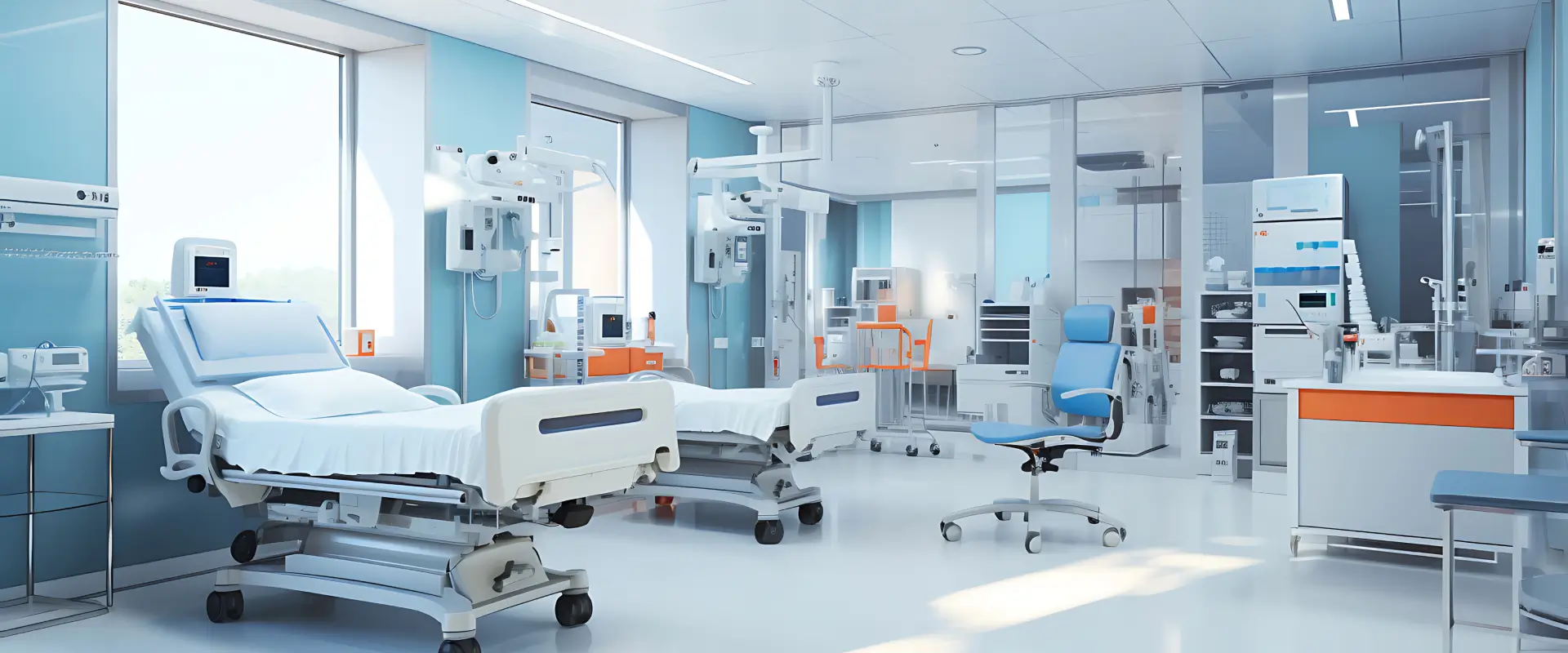
MedStar Health Georgetown University Program
The MedStar Health—Georgetown University Hospital Residency Program in Radiation Oncology is a fully accredited program established in 1982, with a commitment to training skilled and compassionate radiation oncologists. The program, accredited by the Accreditation Council for Graduate Medical Education, offers residency positions for a total of six residents, ensuring a supportive and individualized educational environment that prioritizes resident wellness and career aspirations.
Curriculum Overview
The curriculum is designed to provide extensive clinical training, with residents engaging in rotations that occur in three-month blocks. Each resident follows the same patient through initial consultation to follow-up, allowing for comprehensive patient care experience. Residents participate in clinical rotations at the MedStar Georgetown University Hospital, MedStar Washington Hospital Center, and the MedStar Radiation Treatment Center at Southern Maryland Hospital. The program emphasizes a strong foundation in radiobiology, physics, and disease-specific treatments, supported by didactic lectures and participation in the Social Medicine & Health Equity track.
1
Research Opportunities
Residents have the unique opportunity to dedicate 6-12 months to continuous, protected research during their PGY-4 academic year. This research can be conducted under the mentorship of faculty or in collaboration with affiliated research institutions, including the Georgetown Lombardi Comprehensive Cancer Center and the National Institute of Standards and Technology. Funding and support for resident research endeavors are available through a combination of departmental and laboratory resources.
1
Rotations and Clinical Experience
Residents rotate through three distinct centers within the Washington, D.C. metropolitan area. The main site, MedStar Georgetown University Hospital, serves as the primary training facility, allowing residents to gain hands-on experience in an academic medical center with a focus on community-based healthcare operations. Additionally, residents engage with faculty at MedStar Washington Hospital Center and the MedStar Radiation Treatment Center in Southern Maryland, gaining exposure to diverse patient populations and both academic and private practice environments.
1
Technology Integration
The program is equipped with access to advanced technologies, including proton therapy systems and various radiosurgery systems, ensuring that residents are trained on the latest treatment modalities available in radiation oncology. This training prepares residents to operate various treatment planning systems and cutting-edge radiation delivery techniques.
1
Living in Washington, D.C.
Residents will benefit from living in the Washington, D.C., area, known for its cultural landmarks, vibrant neighborhoods, and a rich selection of recreational activities. The program emphasizes work-life balance while taking full advantage of the diverse opportunities for personal and professional growth in a dynamic metropolitan area.
1
Application Information
The program participates in the National Resident Matching Program. The residency accepts one or two new residents each year, starting in July after completing a transitional or preliminary intern year. Applicants are encouraged to apply through the Electronic Residency Application Service (ERAS). It is essential to note that the program values a diverse cohort and offers scholarships for students underrepresented in medicine to assist with visiting rotations.
2
Additional considerations for applicants include being a U.S. citizen or a permanent resident; generally speaking, international medical graduates (IMGs) are also encouraged to apply, making the program relatively friendly to a diverse applicant pool.
2
Application requirements include acceptable scores on the United States Medical Licensing Examination (USMLE) and completion of the specified prerequisite training. No maximum failed exams for the USMLE are noted; however, all operating criteria must be verified during the application process.
2
Web Sources
Coordinators
Program
Training
Quality of Life
Admission
Match History
Location
Living in Washington, DC
- Crime Rate and Safety: Washington, DC has a mix of neighborhoods with varying levels of safety. While some areas are considered safe, others may have higher crime rates. It's essential to research specific neighborhoods before choosing where to live.
- Fun Activities: Washington, DC is rich in culture and history. Residents can enjoy visiting museums, exploring national monuments, attending events on the National Mall, and trying different cuisines in the city's diverse restaurants.
- Climate: Washington, DC experiences four distinct seasons. Summers are hot and humid, while winters can be cold with occasional snowfall. Spring and fall offer pleasant weather, making them popular seasons for outdoor activities.
- Races and Population: Washington, DC is a diverse city with a significant African American population. Residents can find communities representing various racial and ethnic backgrounds.
- Education: Washington, DC is home to several universities and colleges, providing opportunities for further education and research. Residents can access a range of educational resources and cultural institutions.
- Cost of Living: Washington, DC has a relatively high cost of living, especially in terms of housing. Rent and property prices can be expensive, but residents may find varying costs in different neighborhoods.
- Proximity to Bigger Cities: Nearby bigger cities include Baltimore, Maryland, and Philadelphia, Pennsylvania. Baltimore is approximately 45 miles away from Washington, DC, while Philadelphia is around 140 miles away. These cities offer their own unique attractions, nightlife, and cultural experiences.
- Pros and Cons: Pros of living in Washington, DC include access to national landmarks, cultural events, and diverse communities. However, cons may include the higher cost of living, traffic congestion, and potential safety concerns in certain areas.