
SUNY Downstate Health Sciences University (Primary Care) Program
SUNY Downstate Health Sciences University offers a comprehensive residency program in Internal Medicine, emphasizing primary care. The institution serves as a vital healthcare resource for the diverse populations of Brooklyn, providing exceptional training in a variety of clinical settings.
Program Structure
The residency program is structured over three years, focusing on core competencies required for a career in internal medicine. Trainees engage in a blend of inpatient and outpatient experiences, enabling them to develop a robust foundation in primary care practices. This model promotes a patient-centered approach to healthcare, with emphasis on research-informed practices and compassionate care.
Curriculum and Rotations
The curriculum includes a variety of rotations that cover essential areas within internal medicine. Residents participate in rotations in critical care, cardiology, infectious diseases, and ambulatory care, among others. Each rotation is designed to build skills in diagnosis, treatment, and management of complex medical conditions while ensuring exposure to diverse patient populations. This breadth of exposure is pivotal for developing the skills necessary to succeed in a challenging healthcare environment 1.
Didactic sessions complement clinical training, including weekly lectures, case discussions, and grand rounds. These educational components are intended to deepen residents’ clinical knowledge and enhance their ability to think critically about patient care 1.
Research Opportunities
Research is a cornerstone of the training program, with numerous opportunities for residents to participate in clinical and translational research projects. Faculty members are deeply involved in research, with areas of focus including health disparities, public health, and community outreach programs. This emphasis on research not only contributes to the academic development of residents but also enhances the overall quality of care provided at the institution 1.
Salient Program Features
One of the standout aspects of the SUNY Downstate residency program is its commitment to serving a diverse patient population. Residents are trained to understand and address the unique healthcare needs of the communities they serve, fostering a strong emphasis on cultural competence. This prepares them to deliver high-quality, patient-centered care, making them well-equipped to handle the challenges of modern healthcare 1.
Residents enjoy comprehensive support from dedicated faculty mentors who assist them throughout their training. This mentorship includes regular feedback, guidance on career development, and support with academic endeavors 1.
Training Sites
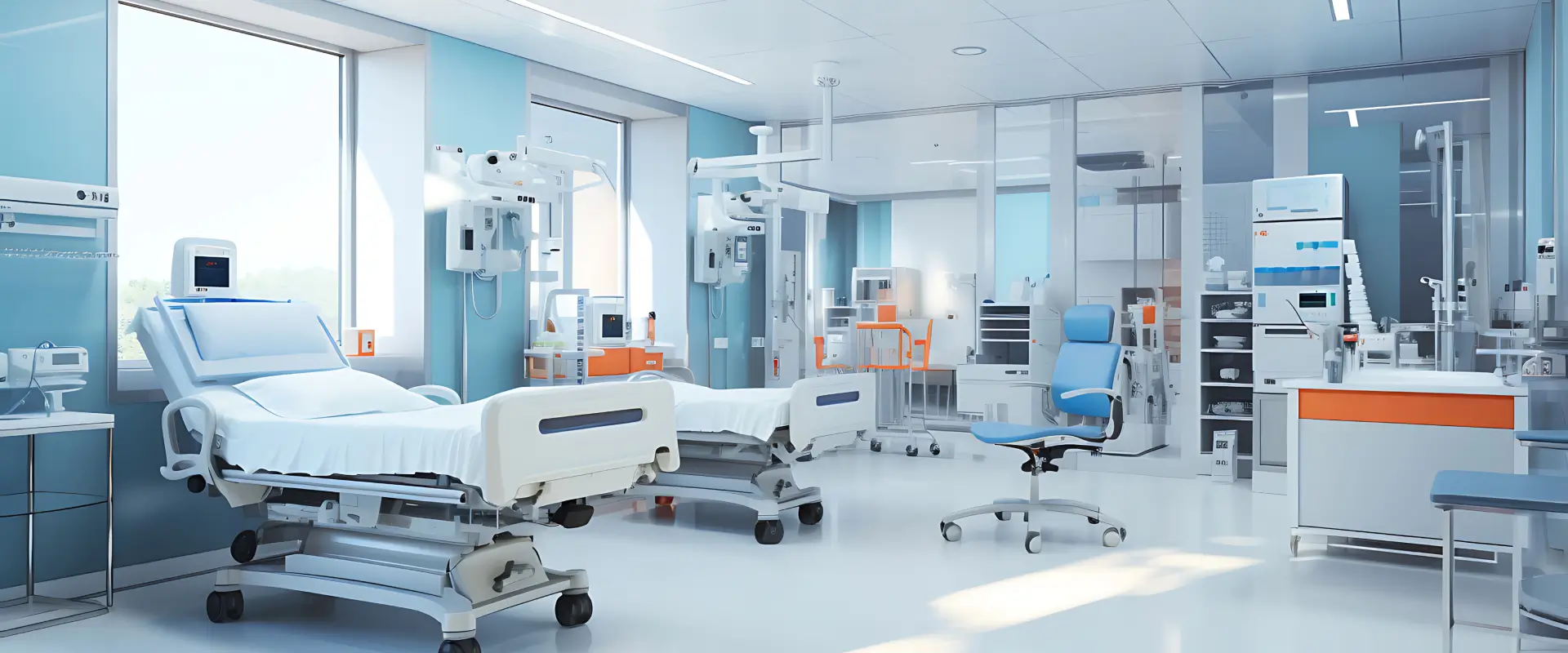
The residency program primarily operates at University Hospital at Downstate, which provides a rich learning environment with its state-of-the-art facilities and a high volume of clinical cases. The hospital is complemented by several outpatient clinics, where residents gain practical experience in managing chronic illnesses and preventive care 2. This access to a variety of training sites further enriches the educational experience.
Diversity and Inclusion
SUNY Downstate prides itself on embracing diversity among its residents. The institution actively promotes the recruitment and inclusion of underrepresented groups within the healthcare workforce. Various initiatives and support programs are in place to ensure a welcoming environment where all individuals can thrive 3.
Visa Sponsorship and Application Requirements
The program sponsors J-1 visas for qualified international medical graduates seeking residency training in the United States. This international-friendly approach makes it accessible to a broader range of applicants while maintaining high standards of medical education 1.
When it comes to application competitiveness, the program is regarded as highly competitive. Applicants are typically required to have graduated from medical school within the last few years, and there may be restrictions regarding the number of attempts allowed on the USMLE Step exams 1. These measures ensure that the program attracts top-tier candidates committed to excelling in the field of internal medicine.
Community Engagement
In addition to clinical training, SUNY Downstate emphasizes community engagement. Residents are encouraged to participate in outreach programs designed to improve health outcomes among local populations. This aspect fosters a sense of responsibility and connection to the community, exemplifying the program’s mission to promote health equity 4.
Support Services
Residents have access to a range of support services, including mental health services, career counseling, and wellness programs. These resources aim to support the physical and emotional well-being of residents throughout their demanding training. This holistic approach to training produces not only skilled physicians but also well-rounded individuals dedicated to patient care 1.
Web Sources
Director
Coordinators
Program
Training
Quality of Life
Admission
Match History
Location
Living in Brooklyn, NY
Brooklyn, a borough of New York City, offers a diverse and vibrant living experience with a mix of cultures, activities, and amenities.
- Crime Rate & Safety: Brooklyn has both safe and less safe neighborhoods. It's important to research specific areas for safety.
- Fun Activities: Brooklyn has a vibrant art scene, numerous parks, trendy restaurants, and cultural events throughout the year.
- Climate: Brooklyn experiences all four seasons with warm summers and cold winters.
- Races and Population: Brooklyn is known for its diverse population with various races and cultures living together.
- Education: Brooklyn has a range of educational institutions, including colleges, universities, and schools.
- Cost of Living: The cost of living in Brooklyn can be high, especially in certain desirable neighborhoods.
- Proximity to Other Cities: Brooklyn is close to Manhattan, approximately a 30-60 minute drive, depending on traffic.
- Pros: Cultural diversity, plenty of entertainment options, convenient public transportation.
- Cons: High cost of living, traffic congestion, some areas may have safety concerns.