
University of Michigan Program
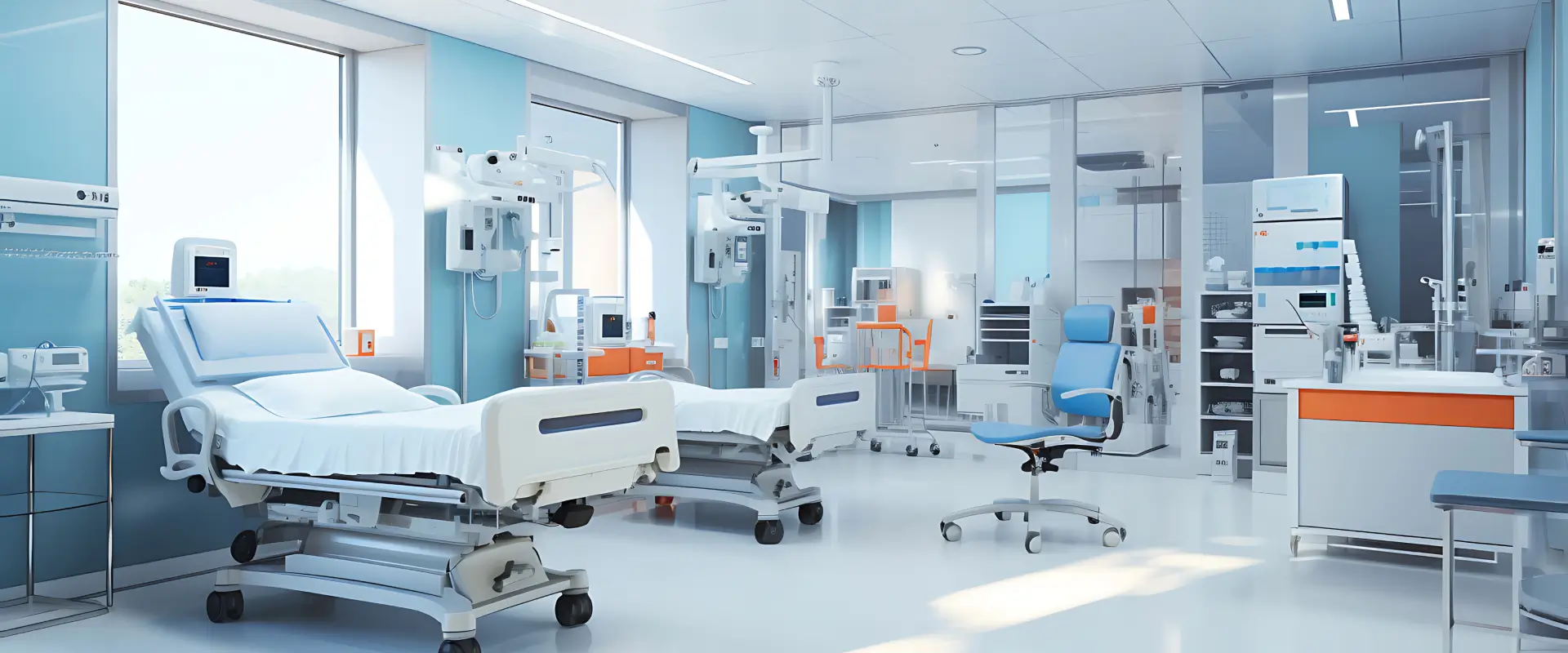
The Surgical Critical Care Fellowship at the University of Michigan Medical School is a one-year ACGME-accredited program designed to train future leaders in critical care and trauma. Each year, the fellowship offers nine approved positions, comprising six for adult and three for pediatric surgical critical care, welcoming surgical residents who are nearing the completion of their General Surgery Residency training. The program also considers exceptional general surgery residents who have completed three years of training and seek a fellowship year before continuing their residency.
1
The inception of the Surgical Critical Care Fellowship dates back to 1984, pioneered by Dr. Robert Bartlett, who significantly impacted neonatal care with the establishment of the ECMO Program at the University of Michigan, transforming a challenging 90% mortality rate in neonatal lung failure to a successful survival rate.
1
Curriculum Overview
This fellowship is structured with a robust educational core curriculum, focusing on critical aspects of ICU administration, national standards in critical care, and contemporary initiatives aimed at improving the care of critically ill and injured patients. A critical aspect of training includes hands-on experience with Extracorporeal Membrane Oxygenation (ECMO), which is utilized for 75-100 patients annually at Michigan Medicine.
1
The curriculum includes a total of thirteen four-week rotations composed of ten core rotations in various intensive care units such as Surgical ICU, Cardiovascular ICU, and Trauma Burn ICU, along with three elective rotations in specialties like Critical Care Ultrasound and Neurocritical Care. The program ensures broad exposure to diverse surgical critical care aspects, including trauma, burn injuries, vascular surgery, and transplant surgeries.
1
Weekly Educational Schedule
The educational schedule emphasizes collaboration and continuous learning, featuring:
- Monday: Trauma Case Conference
- Tuesday: Journal Club (monthly) and CCUS Case Conference
- Wednesday: Core Curriculum Conference
- Thursday: General Surgery Grand Rounds
This framework is further complemented by monthly meetings focused on quality improvement, morbidity and mortality conferences, and regular grand rounds aimed at maintaining a high standard of education and practice.
1
Research and Career Support
Fellows in the program are encouraged to engage in various aspects of surgical education, health services research, and clinical trials. Opportunities for mentoring and support are abundant, nurturing fellows towards successful careers as leaders in surgery.
1
Pediatric Surgical Critical Care Fellowship
This distinct pathway within the fellowship focuses on pediatric critical care, preparing fellows to master the complexities in managing critically ill surgical patients from neonates to young adults. Trainees in this track spend eight months at the CS Mott Children’s Hospital, leading to proficiency in managing pediatric surgeries and illnesses commonly seen in critically ill patients.
1
Competitiveness and Application Requirements
The program maintains a competitive edge in selecting candidates, favoring those who have demonstrated excellence in their prior surgical training. Applicants often come from varied backgrounds including DO and IMG graduates. Special requirements include done completion of a General Surgery residency, and candidates are encouraged to review specific standards related to application, such as limits on failed STEP exams.
1
Visa Support
The University of Michigan Surgical Critical Care Fellowship offers visa support for qualified international medical graduates. The program typically sponsors J-1 visas, providing a seamless pathway for trainees from diverse international backgrounds to gain essential clinical training in surgical critical care.
1
Salary and Benefits
Fellows benefit from highly competitive salaries along with comprehensive benefits. Detailed information about compensation and additional benefits is available on the medical school’s website.
1
Training Locations
Training primarily occurs at high-volume, academic medical centers which support an extensive range of basic science, translational, and clinical outcomes research programs. This provides an enriching environment where fellows can thrive in both their clinical skills and academic pursuits.
1
Life in Ann Arbor
Ann Arbor offers a vibrant atmosphere with a backdrop for year-round outdoor activities, cultural experiences, and a growing gastronomic scene, making it a desirable place for fellow trainees and their families.
1
Web Sources
Director
Coordinators
Program
Training
Quality of Life
Admission
Location
Living in Ann Arbor, MI
- Crime Rate and Safety: Ann Arbor is known for being a safe city with a relatively low crime rate compared to other cities of its size.
- Fun Activities: Ann Arbor has a vibrant cultural scene with plenty of art galleries, restaurants, and live music venues. Outdoor enthusiasts can enjoy parks and nature trails.
- Climate: Ann Arbor experiences four distinct seasons with cold winters and warm summers. Residents can enjoy the changing seasons.
- Races and Population: Ann Arbor has a diverse population with a mix of races and ethnicities, contributing to a rich cultural environment.
- Education: Ann Arbor is home to the University of Michigan, offering educational opportunities and cultural events.
- Cost of Living: The cost of living in Ann Arbor is relatively high compared to other cities in Michigan, mainly due to the university's influence on the local economy.
- Proximity to Bigger Cities: Detroit is approximately 45 minutes away by car from Ann Arbor. Detroit offers a more urban experience with a wide range of activities and cultural attractions.