
University of Michigan Program
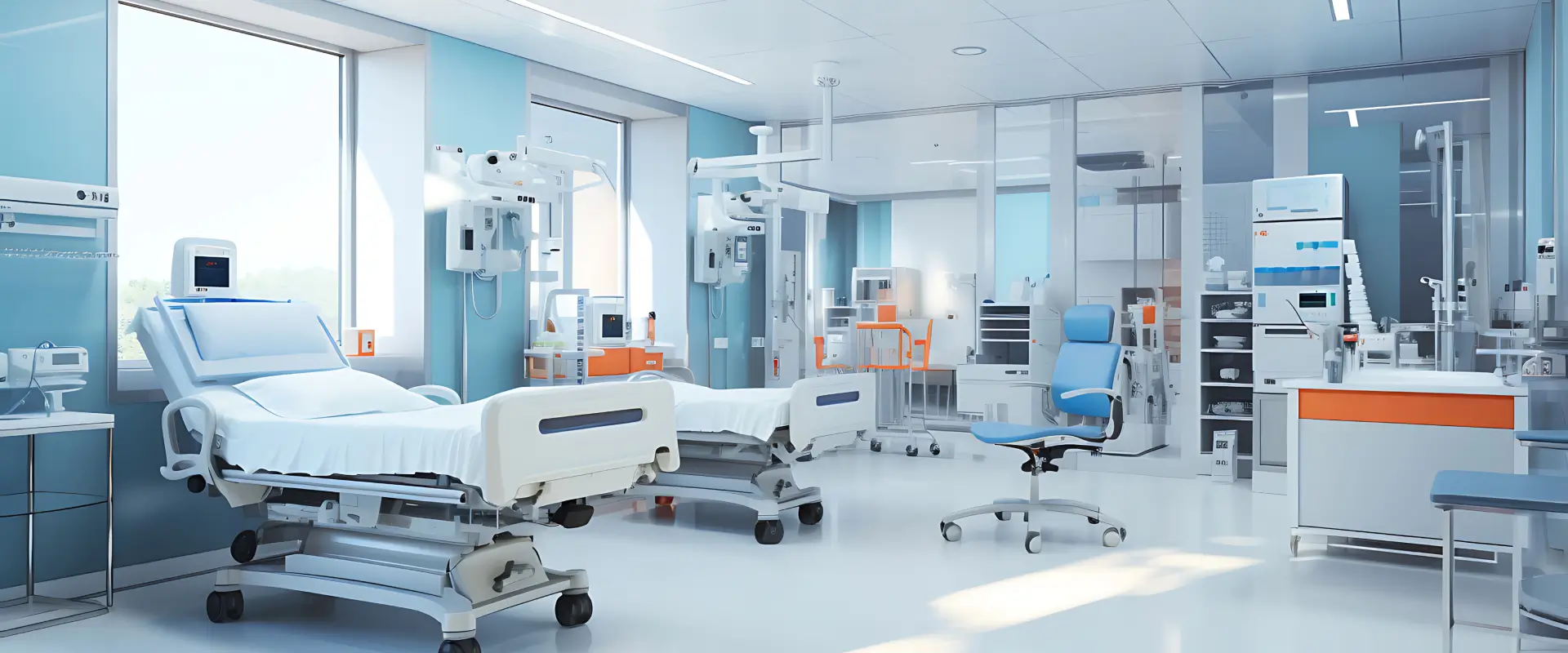
The University of Michigan Program in Pediatric Radiology, part of the Department of Radiology at Michigan Medicine, is dedicated to advancing pediatric imaging through a comprehensive approach that integrates clinical practice, research, education, and advocacy. The program provides extensive training in a state-of-the-art facility located at C.S. Mott Children’s Hospital, which is especially equipped for pediatric patients.
Curriculum Overview
The fellowship program lasts for one year and is ACGME accredited. It is designed to provide fellows with a thorough understanding of pediatric imaging and the corresponding diagnostic capabilities. The curriculum encompasses various learning opportunities in pediatric radiography, fluoroscopy, computed tomography (CT), magnetic resonance imaging (MRI), and ultrasound. There is significant emphasis placed on optimizing imaging studies while minimizing radiation exposure, particularly in children.
Rotational Experiences
Fellows will spend the majority of the year within the Pediatric Radiology section. Detailed instruction is provided on pediatric imaging techniques, including specialized experiences in neuroradiology and nuclear medicine. Additionally, interdisciplinary rotations may offer valuable insights into pediatric interventional radiology procedures.
Research Opportunities
The program is proactive in ensuring academic engagement, encouraging fellows to participate in at least one research project that leads to presentation at a national conference or publication. Research areas encompass cardiac imaging, abdominal imaging, musculoskeletal imaging, and ultrasound, fostering collaboration with various pediatric specialties to enhance clinical research endeavors.
Educational Resources
Education is a cornerstone of the Pediatric Radiology program, with strong involvement in the training of residents and medical students. Fellows have the opportunity to contribute to educational activities, which include leading lectures and participating in interdepartmental teaching conferences. The program strongly emphasizes a collaborative learning environment.
Competiveness and Applications
The Pediatric Radiology Fellowship at the University of Michigan is considered highly competitive. Applicants must have completed a residency in radiology and are encouraged to showcase strong academic performance along with clinical experience in pediatrics. Special application requirements may include maximum failed STEP exams and the year of graduation.
Visa Support and Types
The program provides visa sponsorship for eligible international medical graduates, enabling them to apply for J-1 and H-1B visas. Support is aimed at helping with all necessary documentation, ensuring a smooth application process for fellows coming from outside the United States.
Recent Graduates
Graduate placements reflect the quality of the fellowship training; alumni have secured prestigious positions at renowned children’s hospitals and academic centers across the country, identifying the University of Michigan’s fellowship as a significant credential in pediatric radiology.
Pediatric Imaging Services
Michigan Medicine offers over 90,000 pediatric imaging examinations annually, with a focus on delivering exceptional care in a comfortable environment tailored for children. Services include advanced modalities such as digital radiography, fluoroscopy, and the latest ultrasound and MRI technologies.
Conference Participation
Fellows participate in numerous interdisciplinary conferences, including monthly tumor boards and collaboration with multiple specialties such as pediatric surgery, urology, and cardiology. These conferences not only provide CME opportunities but also enhance collaborative efforts in pediatric care.
Living in Ann Arbor
Ann Arbor, known for its vibrant community and high-quality public education, offers a perfect setting for both work and family life. The city boasts a plethora of cultural and outdoor activities, making it an ideal place for fellows and their families to thrive.
Web Sources
- Pediatric Radiology | Michigan Medicine
- Conferences | Michigan Medicine
- Educational Resources | Michigan Medicine
- Fellowship | Michigan Medicine
- Apply | Michigan Medicine
- Curriculum | Michigan Medicine
- Our Graduates | Michigan Medicine
- Research Opportunities | Michigan Medicine
- Schedules | Michigan Medicine
- Research | Michigan Medicine
Director
Coordinators
Program
Training
Quality of Life
Admission
Location
Living in Ann Arbor, MI
- Crime Rate and Safety: Ann Arbor is known for being a safe city with a relatively low crime rate compared to other cities of its size.
- Fun Activities: Ann Arbor has a vibrant cultural scene with plenty of art galleries, restaurants, and live music venues. Outdoor enthusiasts can enjoy parks and nature trails.
- Climate: Ann Arbor experiences four distinct seasons with cold winters and warm summers. Residents can enjoy the changing seasons.
- Races and Population: Ann Arbor has a diverse population with a mix of races and ethnicities, contributing to a rich cultural environment.
- Education: Ann Arbor is home to the University of Michigan, offering educational opportunities and cultural events.
- Cost of Living: The cost of living in Ann Arbor is relatively high compared to other cities in Michigan, mainly due to the university's influence on the local economy.
- Proximity to Bigger Cities: Detroit is approximately 45 minutes away by car from Ann Arbor. Detroit offers a more urban experience with a wide range of activities and cultural attractions.