
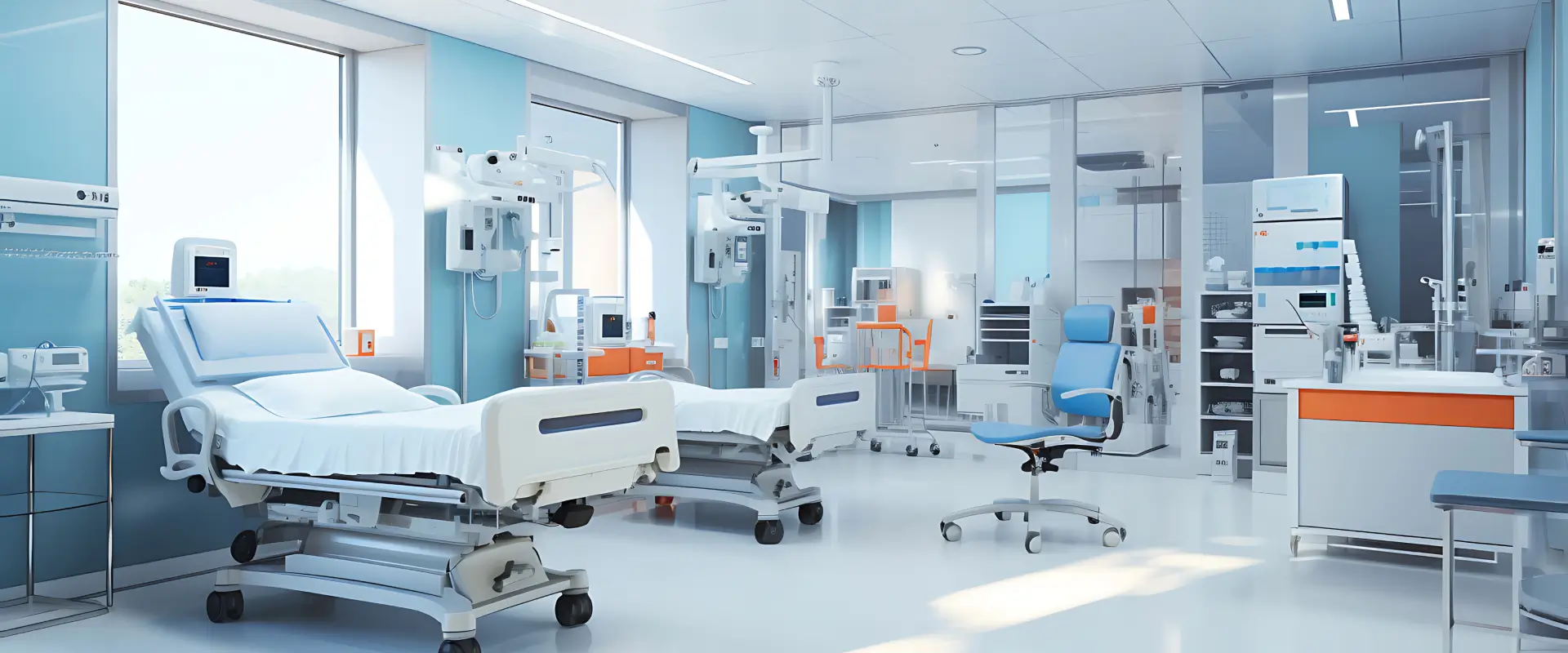
Temple University Hospital Program
The Orthopaedic Surgery residency program at Temple University Hospital provides a comprehensive training structure, emphasizing a hands-on approach to learning through extensive clinical experience. The program is renowned for its diverse faculty, consisting of sixteen highly skilled members with expertise in various orthopaedic subspecialties including sports medicine, joint reconstruction, spine surgery, hand surgery, foot and ankle surgery, and orthopaedic trauma. Additionally, collaboration with core faculty at affiliated institutions, such as Abington Memorial Hospital, Shriners Children’s Hospital of Philadelphia, and St. Christopher’s Hospital for Children adds depth to the residents’ educational experience.
Each year, the program offers four categorical residency positions. The structure of the training is designed to evolve over five years. In the first year, residents spend six months within the Orthopaedic Surgery department at Temple University Hospital, divided between trauma services and various orthopaedic subspecialty clinics. Four months involve rotations in general surgery services, while the remaining two months are dedicated to electives in emergency medicine and anesthesia.
Second Year Rotations
In the second year, residents continue their training at Temple University Hospital with a focused approach, rotating through four essential subspecialties, each for three months. These include:
- Sports Medicine
- Orthopaedic Trauma
- Joint Reconstruction
- Hand Surgery
This year emphasizes fundamental skills, such as conducting orthopaedic physical examinations and actively participating in patient care.
Pediatric Services in Third Year
The third-year curriculum is pivotal, with six months dedicated to pediatric ortho services split between Shriners Hospital and St. Christopher’s Hospital. Both institutions provide unique insights into pediatric orthopaedic issues including scoliosis and trauma care. The remaining third year consists of orthopaedic oncology at Fox Chase Cancer Center and foot and ankle rotations, concluding with time spent with Temple faculty at Jeanes Campus.
Lead Responsibility in Fourth Year
The fourth year focuses on leadership, where residents spend six months at Abington Memorial Hospital. This training includes leading responsibilities in a busy community orthopaedic practice, followed by half a year at Temple University Hospital, where residents take on senior roles overseeing general and spine services.
Chief Resident Experience
The fifth year is designated for chief residency, where the senior resident assumes significant responsibilities, supervising patient care within the orthopaedic service and mentoring medical students. This year also includes daily didactic conferences that cover a range of orthopaedic topics, enhancing residents’ knowledge and skills.
Research Opportunities
Research plays an integral role in the residency program, with a requirement for each resident to complete at least one project suitable for peer-reviewed publication. The program provides access to a range of facilities and expertise, including bioengineering and statistics. An active summer research program allows residents to mentor medical students while the department publishes an annual journal to detail research activities.1
Competitiveness and Application Requirements
Applying for the orthopaedic residency program is competitive, given the limited number of positions available each year. The program accepts applications through the National Intern & Residency Matching Program (NIRMP). Interested candidates must have their applications in by November 1 each year, and prior medical school graduation is a requirement. The program does not specify a maximum number of failed STEP exams but values robust academic performance.
Visa Support
For international medical graduates, the program provides visa support and can sponsor J-1 and H-1B visas, fostering an inclusive educational environment for diverse candidates.
Research Travel Funding
The program supports residents’ travel to present original research at regional and national meetings through the John Lachman Orthopaedic Research Fund. Annual international travel for one PGY-3 resident is also available for an orthopaedic service mission trip to Kijabe, Kenya.2
Benefits and Stipend
Residents receive a competitive stipend, along with comprehensive benefits that enhance their training experience and ensure a supportive working environment. The program prioritizes the wellness of its residents, ensuring a sustainable work-life balance.3
Web Sources
Director
Coordinators
Program
Training
Quality of Life
Admission
Match History
Location
Living in Philadelphia, PA:
Philadelphia, PA is a vibrant city with a rich historical background and a diverse cultural scene. Here are some aspects to consider when living in Philadelphia for your medical residency program:
- Crime Rate and Safety: Philadelphia has some high-crime neighborhoods, so it's essential to be aware of your surroundings. However, the city has been improving its safety measures in recent years.
- Fun Activities: Philadelphia offers a wide range of activities, from visiting historical sites like Independence Hall to enjoying the arts and culture in museums and theaters.
- Climate: Philadelphia experiences all four seasons, with hot summers and cold winters. Be prepared for snowfall during the winter months.
- Races and Population: Philadelphia is a diverse city with a mix of racial and ethnic groups, making it a welcoming and inclusive place to live.
- Education: Philadelphia is home to several universities and colleges, offering opportunities for continued education and research.
- Cost of Living: The cost of living in Philadelphia is moderate compared to other major cities on the East Coast. Housing costs vary depending on the neighborhood.
- Proximity to Other Cities: Philadelphia is within driving distance to cities like New York City (around 2 hours) and Washington, D.C. (around 2.5 hours), making it easy to explore other urban centers.
- Pros: Rich history, diverse culture, strong healthcare institutions, vibrant arts scene.
- Cons: Some neighborhoods have higher crime rates, winters can be cold and snowy.