
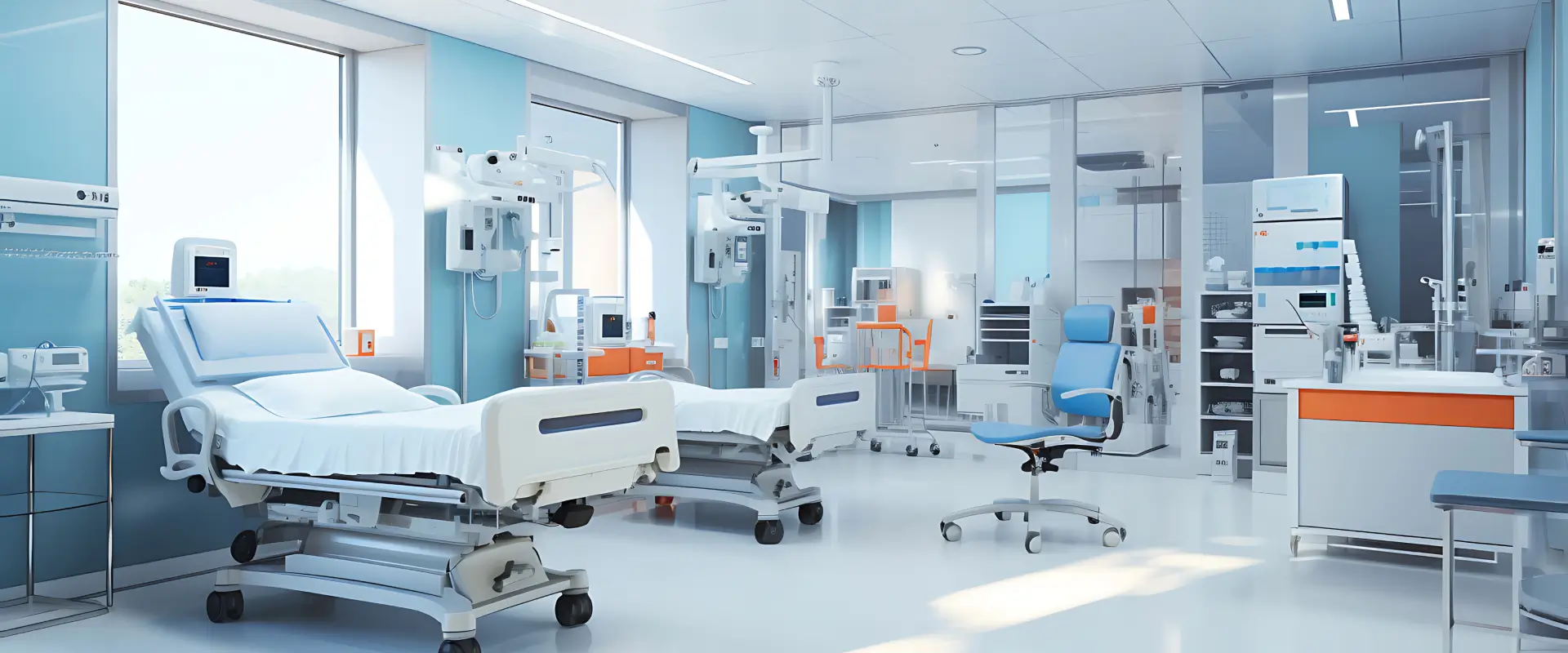
Cedars-Sinai Medical Center Program
The Pediatric Residency Training Program at Cedars-Sinai Guerin Children’s is firmly committed to cultivating future leaders in pediatrics. The program emphasizes comprehensive training in pediatric healthcare, supported by a diverse faculty and rich educational resources, ensuring that trainees become exceptional clinicians and passionate advocates for pediatric care.
The program’s robust curriculum allows exposure to a wide array of pediatric specialties and common pediatric conditions. It enables residents to engage with critically ill patients while also offering opportunities for care in outpatient settings, customized education paths, and access to numerous faculty-led initiatives and research projects. The focus on translational medicine and healthcare innovation represents the forefront of pediatric education, aligning with the mission of Cedars-Sinai to advance healthcare through education and research 1.
Curriculum
The curriculum is designed to provide extensive training across various pediatric disciplines, encompassing both inpatient and outpatient care. Residents participate in a variety of rotations, including general pediatrics, neonatology, and other specialty areas, providing them with a broad spectrum of clinical experiences. The unique integration of community outreach further enriches the pediatric education at Cedars-Sinai, as residents care for an ethnically and socioeconomically diverse patient population 8.
Training Sites
The clinical training takes place in multiple practice settings, highlighting the individualized approach to resident education. Direct care is provided at:
- Cedars-Sinai Medical Center: A tertiary and quaternary pediatric center known for specialized care in pediatric medical and surgical subspecialties.
- Newborn Medicine: Residents gain experience in a Level III neonatal nursery, managing care for an estimated 7,000 deliveries per year.
- Neonatal Intensive Care Unit (NICU): The state-of-the-art facility consists of 45 beds, enabling residents to engage with some of the most complex neonatal cases.
- Pediatric Intensive Care Unit (PICU): A critical care unit equipped for advanced pediatric interventions.
- Outpatient Training Sites: Including the Cedars-Sinai Maxine Dunitz Children’s Health Center and the Saban Community Clinic, where residents experience primary care and community health 6, 9.
Research Opportunities
The program encourages involvement in research and academic development. By providing protected time for research and quality improvement projects, residents can engage in scholarly activities that contribute to advancements in pediatric medicine. Opportunities for collaboration with faculty members on established research initiatives are also available 7.
Application Information
Cedars-Sinai offers eight categorical residency positions each year. The application must be submitted through the Electronic Residency Application Service (ERAS), and applicants must provide comprehensive documentation, including a curriculum vitae, medical school transcripts, personal statements, and letters of recommendation. While there are no minimum score requirements for the USMLE or COMLEX exams, it is mandatory to pass USMLE Step 1 or COMLEX-USA Level 1 prior to interview consideration 5.
Visa Sponsorship
The program provides sponsorship for international applicants, accepting trainees who require H-1B or J-1 visas. This inclusivity promotes diversity within the residency and allows for an array of cultural perspectives in pediatric care 8.
Competitiveness
The Cedars-Sinai Pediatric Residency Training Program is highly competitive, attracting applicants from diverse medical educational backgrounds. The program values diversity and inclusion, which is reflected in its selection process, aiming to create a workforce that mirrors the community it serves 4.
Benefits and Resources
Residents are provided with robust support, including a competitive salary, educational allowances, and additional benefits such as housing stipends. Access to advanced educational resources, including the Medical Library and the Women’s Guild Simulation Center, enhances training and promotes excellence in clinical skills development 3, 8.
Web Sources
- Pediatric Residency | Cedars-Sinai
- Pediatric Residency Faculty | Cedars-Sinai
- Pediatric Residency Frequently Asked Questions | Cedars-Sinai
- Residents | Cedars-Sinai
- Pediatric Residency Facilities & Resources | Cedars-Sinai
- Pediatric Residency Application Information | Cedars-Sinai
- Pediatric Residency Training | Cedars-Sinai
- Additional Information on Pediatric Residency
Director
Coordinators
Program
Training
Quality of Life
Admission
Match History
Location
Living in Los Angeles, CA
- Crime rate and safety: Los Angeles has a moderate crime rate with certain neighborhoods having higher crime rates than others. It's recommended to research and choose a safe area to live in.
- Fun activities: Los Angeles is known for its diverse entertainment options, such as Hollywood attractions, beautiful beaches, hiking trails, museums, and vibrant nightlife.
- Climate: Los Angeles has a Mediterranean climate with mild, wet winters and hot, dry summers. It is generally sunny throughout the year.
- Races and population: Los Angeles is a melting pot of cultures with a diverse population representing various races and ethnicities.
- Education: Los Angeles is home to several prestigious universities and colleges, offering a wide range of educational opportunities.
- Cost of living: The cost of living in Los Angeles is relatively high compared to other cities in the U.S., especially when it comes to housing and transportation.
- Proximity to bigger cities: Nearby bigger cities include San Diego (about 2-3 hours drive) and San Francisco (about 6-7 hours drive), offering additional urban experiences.
- Pros: Exciting cultural opportunities, diverse culinary experiences, access to beautiful beaches, great weather, and potential networking opportunities in the entertainment industry.
- Cons: High cost of living, traffic congestion, air pollution, and housing affordability challenges.