
Virginia Mason Franciscan Health Program
Overview of the Virginia Mason Franciscan Health Radiology-Diagnostic Program
The Radiology-Diagnostic Program at Virginia Mason Franciscan Health provides comprehensive training for residents in diagnostic imaging. This program is designed to equip residents with not only clinical competence but also with important skills in patient care, communication, and teamwork. The program’s unique structure promotes collaborative learning in a patient-centered environment.
Curriculum
The curriculum within the Radiology-Diagnostic residency is structured to ensure a thorough understanding of radiology principles, techniques, and practices. Residents gain extensive hands-on experience in various imaging modalities, including but not limited to, X-rays, CT scans, MRI, and ultrasound. The program encourages active learning and integrates didactic sessions with hands-on training, enabling residents to reinforce their knowledge in practical settings.
Rotations
Residents engage in a series of rotations that cover all aspects of diagnostic radiology. These rotations are designed to provide experience across multiple clinical settings. The program includes rotations in various subspecialties such as:
- Abdominal Imaging
- Neuroradiology
- Pediatric Radiology
- Interventional Radiology
- Mammography
- Musculoskeletal Radiology
Each rotation is supervised by experienced faculty, offering personalized feedback and guidance. This hands-on experience is vital for developing the practical skills necessary for a successful career in radiology.
Research Opportunities
The Virginia Mason Franciscan Health program places a strong emphasis on research and scholarly activity. Residents are encouraged to participate in ongoing research projects supervised by faculty members. This engagement allows residents to contribute to advancements in the field of radiology and helps foster a spirit of inquiry and innovation.
Training Sites
The program utilizes multiple training sites across the Virginia Mason Franciscan Health system. These sites provide a diverse range of clinical experiences, benefiting residents through exposure to a varied patient population and complex cases. Notable facilities include:
- Virginia Mason Medical Center in Seattle
- St. Joseph Medical Center in Tacoma
- Other affiliated outpatient imaging centers
This exposure prepares residents to handle a wide array of cases and enhances their learning experience.
Unique Aspects of the Program
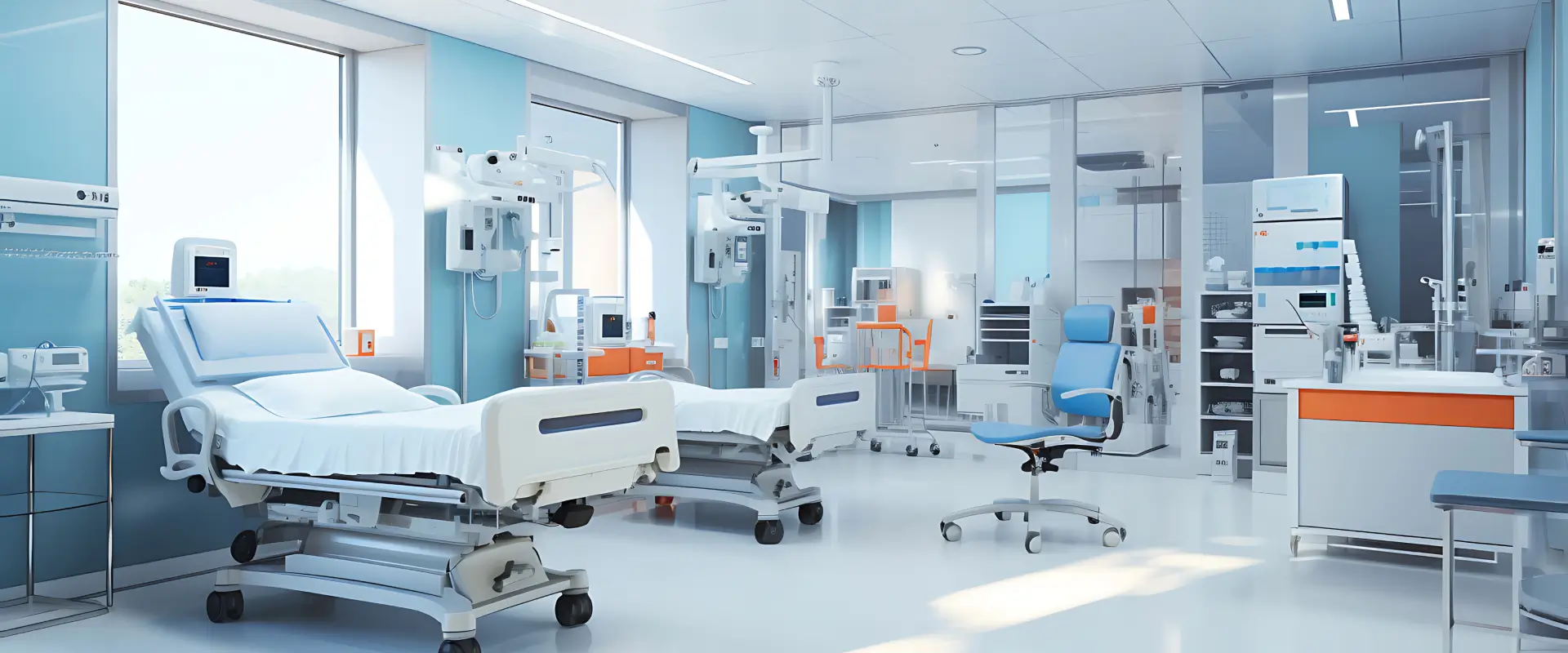
One of the standout features of the Virginia Mason Franciscan Health Radiology-Diagnostic program is its commitment to patient-centered care, supported by a collaborative culture among departments. The integration of care across various specialties encourages residents to engage in multidisciplinary teams, fostering holistic patient management. Additionally, the program prides itself on the use of state-of-the-art imaging technology, which enhances residents’ learning and practice.
Visa Support and Application Requirements
The Virginia Mason Franciscan Health program offers visa support for international medical graduates. The program can sponsor J-1 visas for foreign medical graduates. This support is crucial for making the program accessible to qualified applicants from around the world. As far as competitiveness is concerned, it is essential for applicants to understand that the Radiology-Diagnostic program tends to be competitive, with a strong preference for candidates who demonstrate solid academic performance and clinical skills.
Applicants should be aware of specific application requirements, including a focus on clinical experience and research background. Although the program is generally open to candidates with diverse backgrounds, those who have faced challenges in previous examinations, such as multiple failed Step exams, may find their applications scrutinized more closely. Additionally, recent graduates are preferred, reflecting the program’s interest in nurturing fresh talent.
Conclusion
In summary, the Radiology-Diagnostic program at Virginia Mason Franciscan Health offers a robust training environment characterized by comprehensive education, diverse clinical experiences, and a supportive academic culture. This prepares residents not only to excel in their specialty but also to contribute meaningfully to the broader medical community.
Web Sources
Director
Coordinators
Program
Training
Quality of Life
Admission
Match History
Location
Living in Seattle, WA
- Climate: Seattle has a mild, temperate climate with relatively cool and wet winters and warm, dry summers. It's known for its frequent rainfall and overcast skies.
- Population: Seattle has a diverse population with significant Asian, Hispanic, and African American communities.
- Safety: Seattle has a moderate crime rate compared to other U.S. cities of similar size. The city is generally considered safe, but like any urban area, caution should be exercised, especially in certain neighborhoods.
- Cost of Living: Seattle has a high cost of living, particularly in terms of housing. However, salaries in the area are generally higher to compensate.
- Education: Seattle is home to a number of prestigious educational institutions, including the University of Washington and Seattle University.
- Activities: Seattle offers a variety of outdoor activities including hiking, skiing, and water sports. The city also has a vibrant arts scene, numerous museums, and a wide range of dining options.
- Nearby Cities: Larger cities like Portland, Oregon, and Vancouver, British Columbia, are relatively close to Seattle. Portland is about 2.5-3 hours away by car, while Vancouver is about 2.5-3.5 hours away depending on traffic.
- Pros: Seattle is a tech hub with a strong job market in various industries, beautiful natural surroundings, a lively food scene, and a strong sense of community.
- Cons: High cost of living, traffic congestion, and frequent rainfall may be viewed as drawbacks for some individuals.