
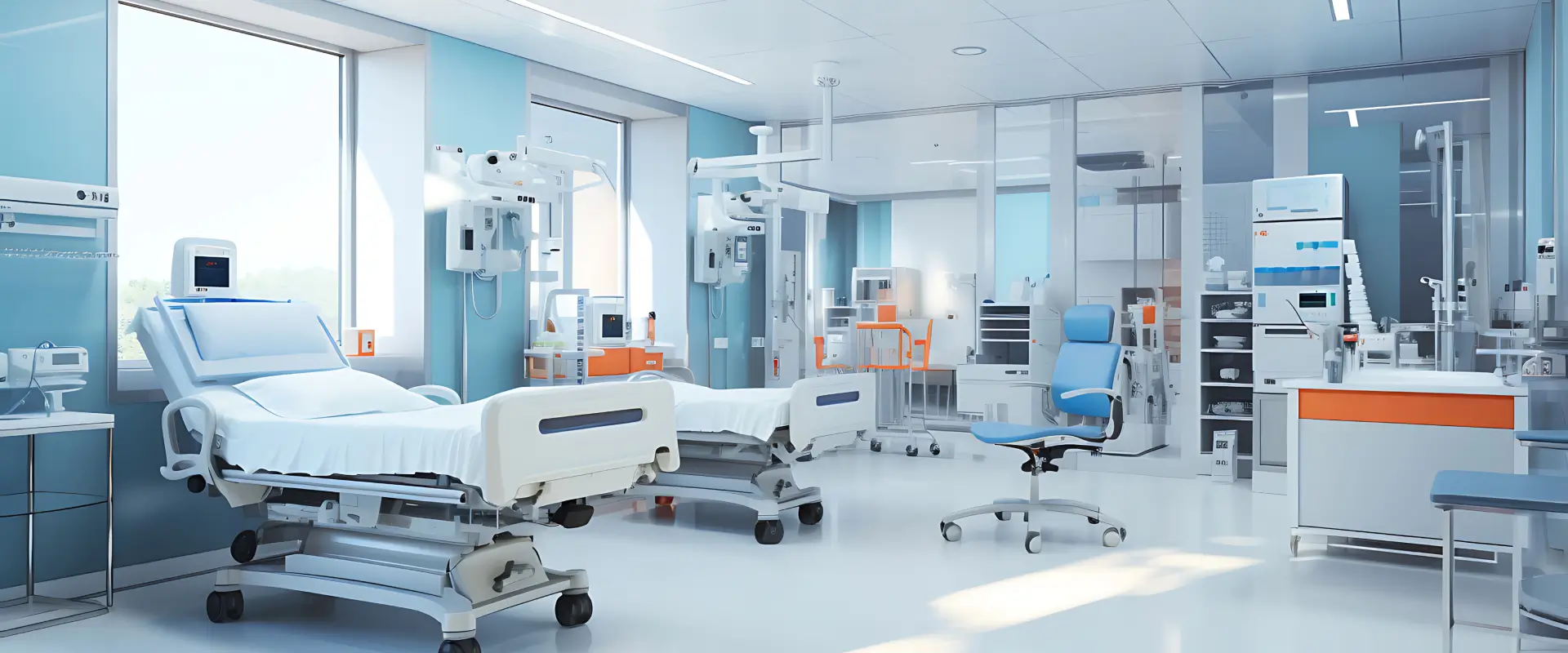
Johns Hopkins University Program
The Johns Hopkins University Program in Radiation Oncology offers a comprehensive and sophisticated training experience for medical professionals interested in specializing in radiation oncology. This program is part of the esteemed Johns Hopkins Kimmel Cancer Center, which is known for its commitment to patient-centered care, innovative research, and the development of advanced treatment modalities.
Program Overview
The program focuses on the treatment and management of cancer using modern radiation techniques. It integrates rigorous academic training with hands-on clinical experiences, enabling residents to effectively collaborate with a multidisciplinary team that includes radiation oncologists, medical physicists, dosimetrists, and nurses. The objective is to create a supportive learning environment conducive to developing clinical and professional skills essential for future leaders in the field.
Curriculum and Training
The residency encompasses a systematic approach to enhancing clinical knowledge through a combination of classroom instruction and practical rotations. Designed as a four-year program, it expects candidates to have completed a preliminary year in a clinical setting before acceptance.
Rotations
Residents rotate through various specialties to gain exposure across different aspects of radiation oncology, including:
- Proton Therapy
- Brachytherapy
- Image-Guided Radiation Therapy (IGRT)
- Intensity-Modulated Radiation Therapy (IMRT)
During their training, residents work with advanced technologies and innovative treatment techniques, maintaining a focus on patient safety and high-quality care throughout their clinical education.
Research Opportunities
The program emphasizes research, encouraging residents to participate in various clinical trials and collaborative research projects. The institution is committed to pioneering new advancements in cancer treatment, and residents have the opportunity to contribute to ongoing research initiatives that investigate novel therapies and improve existing treatment protocols.
Conditions Treated
The program is involved in treating a wide range of cancer types, employing a multidisciplinary approach to personalize treatment strategies. The primary conditions treated include:
- Brain and spine tumors
- Breast cancer
- Head and neck cancers
- Gastrointestinal cancers
- Lung cancer
- Genitourinary tumors
- Skin cancers
Unique Aspects of the Program
One of the distinctive features of the Johns Hopkins radiation oncology residency is its focus on both clinical excellence and innovative medical physics. The program collaborates with the Division of Medical Physics, which ensures that treatment plans are developed with precision and accuracy using the latest research in radiation therapy techniques.
Training Sites
The residency is primarily housed within the Johns Hopkins Kimmel Cancer Center, which features state-of-the-art imaging and treatment facilities. Training also occurs at affiliated facilities to provide residents with diverse clinical experiences and exposure to a wide range of patient care situations.
Visa and Application Requirements
The program supports J-1 visa sponsorship for international medical graduates, thus making it accessible to a diverse applicant pool. Special application requirements typically include having a valid ECFMG certificate for international medical graduates and maintaining competitive scores on required examinations.
Competitiveness
Applicants to the program can expect a highly competitive selection process, as it attracts candidates from diverse medical backgrounds, including both MD and DO degrees. The program values inclusivity and aims to support a broad range of candidates, including those from international medical backgrounds.
Conclusion
In summary, the Johns Hopkins University Program in Radiation Oncology stands out for its commitment to high-quality patient care, innovative technologies, and dedication to training the next generation of oncology leaders. Residents will benefit from an enriched clinical learning environment, research involvement, and the opportunity to work within a collaborative healthcare team.
Web Sources
- Radiation Oncology Program Overview
- About the Radiation Oncology Department
- Conditions Treated in Radiation Oncology
- Education and Training in Radiation Oncology
- Current Radiation Oncology Residents
- Gift Giving to Support Radiation Oncology
- Radiation Oncology Locations
- Meet Our Experts in Radiation Oncology
- Medical Physics Division in Radiation Oncology
- Research Initiatives in Radiation Oncology
- Types of Treatments in Radiation Therapy
Director
Coordinators
Program
Training
Quality of Life
Admission
Match History
Location
Living in Baltimore, MD - Program Location Overview
- Crime Rate and Safety: Baltimore has a higher crime rate compared to the national average, with some areas being safer than others. It's essential to research specific neighborhoods for safety before moving.
- Fun Activities: Baltimore offers a variety of cultural attractions, such as the Inner Harbor, museums, historic sites, and waterfront activities. There are also parks, nightlife spots, and diverse dining options to explore.
- Climate: Baltimore experiences all four seasons, with hot summers and cold winters. Spring and fall are mild and pleasant, making outdoor activities enjoyable during those times.
- Races and Population: Baltimore is a diverse city with a significant African American population. It also has a mix of other races and ethnicities, contributing to its vibrant culture and communities.
- Education: Baltimore is home to several universities and colleges, providing educational opportunities and contributing to the city's intellectual landscape.
- Cost of Living: The cost of living in Baltimore is slightly above the national average, with housing costs being a significant factor. Rent and home prices can vary greatly depending on the neighborhood.
- Proximity to Bigger Cities: Baltimore is about an hour's drive away from Washington, D.C., and Philadelphia. Both cities offer their own unique attractions, cultural experiences, and job opportunities for residents willing to commute.
- Pros: Diverse population, cultural attractions, educational opportunities, proximity to other major cities.
- Cons: Higher crime rate in some areas, slightly above average cost of living, extreme weather conditions.