
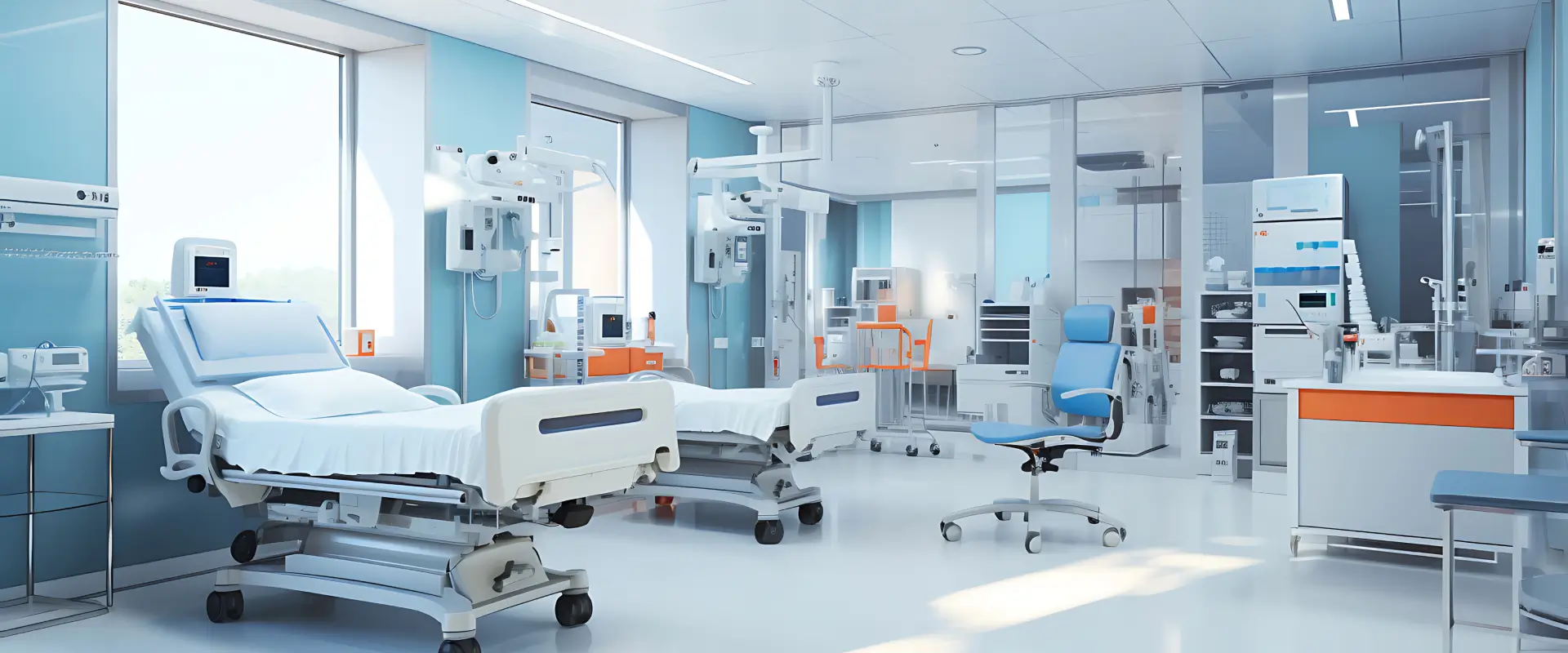
Broward Health North Program
The Transitional Year Internship Program at Broward Health is designed to provide graduate medical students with a solid foundation and essential support as they prepare for the next phase of their medical training. This one-year internship program aims to equip residents with the necessary skills to excel in their subsequent specialty training.
Broward Health is a prominent healthcare system in South Florida, renowned for delivering top-quality medical services for over 85 years. Within this structured program, residents benefit from individualized training and mentorship. The curriculum encompasses a wide range of disciplines, allowing residents to develop clinical competencies essential for their future medical careers.
Program Overview
The primary objective of the Transitional Year residency training program is to foster excellence in education and clinical service, ensuring that residents attain the required knowledge across various specialties. This program is dedicated to high-quality mentorship and systematic training, preparing graduates for either community or academic medicine.
Program Highlights
- Intellectually stimulating didactic curriculum
- Exposure to a large and diverse patient population
- Comprehensive support tailored to meet career advancement goals
- A cohesive, friendly working environment
Furthermore, the program encourages scholarly activity, with faculty members actively involved in research and presentations at national conferences. This creates numerous opportunities for residents to engage in research projects and enhance their academic profiles.
Curriculum and Rotations
The Transitional Year program includes extensive hands-on experience through various clinical rotations in the following key areas:
Inpatient Ward Rotation
This core rotation involves direct care of hospitalized patients, allowing residents to engage deeply with a diverse range of internal medicine cases. Residents will confront complex issues such as substance abuse, co-morbid conditions, and immigrant health, thereby linking health and socioeconomic factors.
Emergency Medicine Rotation
Conducted at a Level 1 Trauma Center, residents gain real-world experience in emergency scenarios across all levels of acuity. This fast-paced environment offers the chance to manage a variety of urgent care needs for both adult and pediatric patients.
Pediatrics Emergency Medicine Rotation
This rotation occurs in the Level 1 Pediatric Trauma Center, providing residents with direct exposure to pediatric emergencies, honing their skills in a dynamic, fast-paced setting.
Ambulatory Medicine
Residents will spend four weeks in an outpatient primary care setting, working alongside family or internal medicine physicians. This rotation enables residents to refine their office medicine practices while emphasizing patient education and preventive care.
Pulmonary Medicine
During this rotation, residents manage a range of common pulmonary disorders, deepening their understanding of conditions such as pneumonia, asthma, and COPD. They also gain exposure to relevant diagnostic and therapeutic procedures.
Medical Intensive Care Unit Rotation
This rotation offers insights into critical care medicine, characterized by multidisciplinary management of complex medical conditions in a fast-paced ICU environment.
Training Environment
The program prioritizes a supportive learning atmosphere, where residents collaborate closely with attendings, who retain legal responsibilities for patient care while guiding residents through clinical decision-making. This shared responsibility fosters both teaching and learning in a collegial environment.
Competitiveness and Applications
The Transitional Year program maintains a competitive selection process, welcoming candidates from diverse educational backgrounds, including DOs and IMGs. However, prospective applicants should take note of specific criteria that may affect eligibility, such as the year of graduation and limitations on prior failed Step exams.
Visa Support
For international medical graduates, the program can sponsor various visa types, facilitating entry into the United States for training. This promotes a diverse cohort of residents, enriching the program’s educational environment.
Overall, the Broward Health Transitional Year Residency provides an enriching training experience that prepares medical graduates for successful careers in their chosen specialties.
Web Sources
Director
Coordinators
Program
Training
Quality of Life
Admission
Match History
Location
Living in Deerfield Beach, FL
- Crime Rate and Safety: Deerfield Beach has a moderate crime rate with safety concerns more prevalent in certain areas. It is advisable to research specific neighborhoods and take normal safety precautions.
- Fun Activities: Deerfield Beach offers beautiful beaches, water sports, nature parks, and a vibrant dining scene. Residents can enjoy fishing, snorkeling, and beachfront activities.
- Climate: Deerfield Beach has a tropical climate with warm temperatures year-round. Summers are hot and humid, while winters are mild and dry.
- Races and Population: The population of Deerfield Beach is diverse, with various races and ethnicities represented in the community.
- Education: Deerfield Beach has access to good schools and educational institutions for families with children.
- Cost of Living: The cost of living in Deerfield Beach is slightly above the national average, with housing costs being a significant factor to consider.
- Proximity to Bigger Cities: Deerfield Beach is located near Fort Lauderdale, approximately a 20-30 minute drive, depending on traffic. Fort Lauderdale offers a wider range of entertainment, shopping, and cultural activities.
- Pros and Cons: Pros include beautiful beaches and outdoor activities, a diverse community, and proximity to larger cities. Cons may include slightly higher living costs and safety concerns in certain areas.