
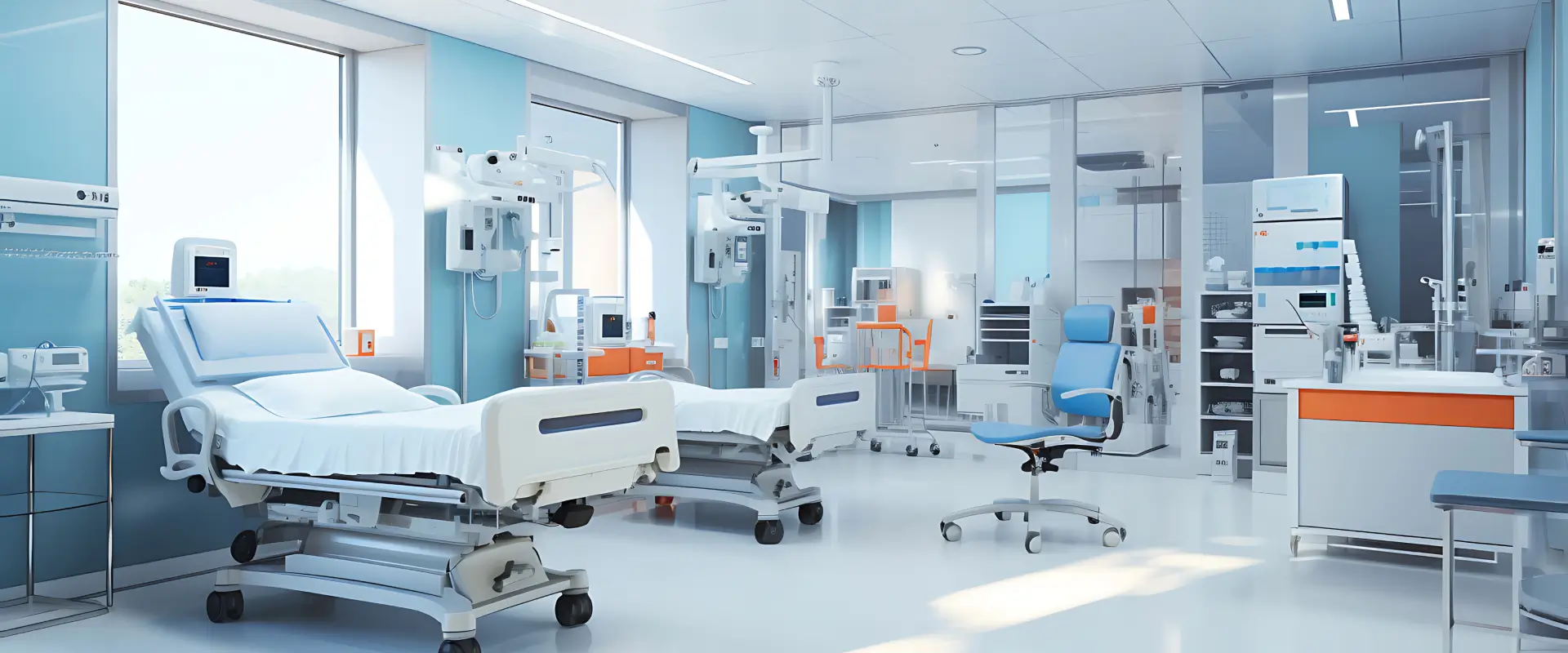
Carle Foundation Hospital Program
The Internal Medicine Residency Program at Carle Foundation Hospital in Urbana, Illinois, is designed to foster the development of highly competent and professional resident physicians. With a firm emphasis on patient-centered care, residents engage in diverse clinical settings, learning from a range of experienced physicians. The program aims to create lifelong professional relationships among residents, faculty, and the local community.
The residency provides comprehensive training at Carle Foundation Hospital and the VA Illiana Health Care System, along with their affiliated clinics. This varied clinical exposure aids residents in gaining the skills necessary for successful careers in internal medicine, including exceptional board pass rates and acceptance into competitive fellowship programs.
Program Goals
The overarching goal of the program is to cultivate internists who are equipped to:
- Apply scientific knowledge with compassion and humanity.
- Engage in lifelong learning.
- Utilize resources effectively and responsibly.
- Deliver high-quality healthcare responsive to individual and community needs.
- Uphold the highest standards of academic excellence and professionalism.
Training is structured to meet established competencies across various domains: patient care, medical knowledge, practice-based learning, communication skills, professionalism, and systems-based practice.
Curriculum Overview
The curriculum is flexible, allowing residents to tailor their educational experience to meet individual learning needs. The program offers multiple tracks including Traditional Internal Medicine, Hospitalist Medicine, and the Primary Care Track, among others.
Tracks Offered
- Traditional Internal Medicine Track: This focuses on both acute and chronic disease management.
- Hospitalist Track: Emphasizes quality and safety in acute care environments.
- Primary Care Track: Residents focus on outpatient care with community-based training and notable exposure to chronic health management.
- Research Path: An extended five-year program aimed at developing research-focused internists.
Rotations and Clinical Experience
Residents rotate through various specialties throughout their training. For instance, the categorical track typically includes:
- Up to 3 blocks of medical subspecialties
- Up to 2 blocks of Intensive Care Unit training
- Up to 7 blocks in Adult Medicine
Primary care residents will find their rotations particularly geared toward outpatient settings, enhancing their skills in chronic care and prevention.
Educational Events
Residents participate in numerous educational conferences including:
- Noon Conferences
- Subspecialty Rounds
- Quality Improvement Forums
- Internal Medicine Grand Rounds
These events emphasize case discussions and continuous learning throughout the residency.
Diversity and Inclusion
The program takes pride in promoting diversity and inclusion within its ranks and amongst its patients. This commitment enhances collaborative learning and patient care. The diversity efforts include various cultural competence initiatives such as the ‘We CARE’ project which focuses on integration of cultural awareness into residency education.
Application Process
Applications are accepted from both U.S. and international medical graduates. However, international applicants are limited to J1 visa sponsorship. A complete application includes documentation such as:
- A curriculum vitae (CV)
- A Medical Student Performance Evaluation (MSPE)
- At least three letters of recommendation
- A personal statement
- Medical school transcripts
- USMLE scores/transcripts for Steps 1 and 2
The program does not have strict minimum score requirements, although preference is given to those with no failures on USMLE exams and those who graduated within the last four years. All international candidates must be ECFMG-certified before the match.
Competitiveness
The program is competitive and seeks candidates that have demonstrated academic excellence and dedication to the field of internal medicine. Interviews are conducted selectively, typically from mid-October through February, and participation in ERAS is mandatory.
Director
Coordinators
Program
Training
Quality of Life
Admission
Match History
Location
Living in Urbana, IL
- Crime Rate and Safety: Urbana has a moderate crime rate with a focus on property crimes. However, the city takes measures to ensure the safety of residents and visitors.
- Fun Activities: Urbana offers a vibrant arts and music scene, with numerous cultural events throughout the year. Outdoor enthusiasts can enjoy parks and biking trails in the area.
- Climate: Urbana experiences four distinct seasons with cold winters and warm summers. Be prepared for snowfall in the winter months.
- Races and Population: Urbana is a diverse city with a mix of races and cultures, including a significant student population due to the presence of the University of Illinois.
- Education: Urbana boasts excellent educational opportunities, including the University of Illinois and several top-rated schools for K-12 students.
- Cost of Living: The cost of living in Urbana is relatively affordable compared to other cities in Illinois, especially when considering housing prices.
- Proximity to Bigger Cities: Urbana is located close to Champaign, about a 10-minute drive away. Champaign is a larger city with more amenities, restaurants, and entertainment options.
- Pros: Diverse community, cultural events, educational opportunities, and relatively affordable cost of living.
- Cons: Moderate crime rate, cold winters, and limited nightlife compared to larger cities.