
Cedars-Sinai Medical Center Program
The Anatomic and Clinical Pathology Residency Program at Cedars-Sinai Medical Center is a comprehensive and fully accredited program focused on educating residents in both anatomic and clinical pathology. This residency is structured to equip participants with the skills and knowledge required for modern medical practice, benefiting from the leadership of highly regarded educators and a commitment to advanced medical education.
Curriculum Overview
The curriculum of the residency program combines rigorous clinical rotations with educational experiences designed to enhance practical skills and theoretical knowledge. Residents are exposed to a variety of subspecialties through rotations that include:
- Autopsy Pathology
- Cytopathology
- Dermatopathology
- Forensic Pathology
- Gastrointestinal and Liver Pathology
- Hematopathology
- Neuropathology
- Laboratory Management
- Transfusion Medicine
- Genomic Pathology
In addition to core rotations, residents have the opportunity to engage in elective rotations, which can be tailored to their interests and career goals. This flexibility allows for focused training based on individual aspirations within the field of pathology, while also providing an optional research component during elective periods 1.
Research Opportunities
Research is a crucial aspect of the Cedars-Sinai residency experience. Each resident is expected to participate in at least one research project during their tenure, typically culminating in an abstract and publication. Faculty support is readily available, enabling residents to select projects across various clinical and translational domains within pathology 7. The program fosters a collaborative environment, encouraging residents to engage in scholarly activities that enhance their educational experience.
Training Sites and Facilities
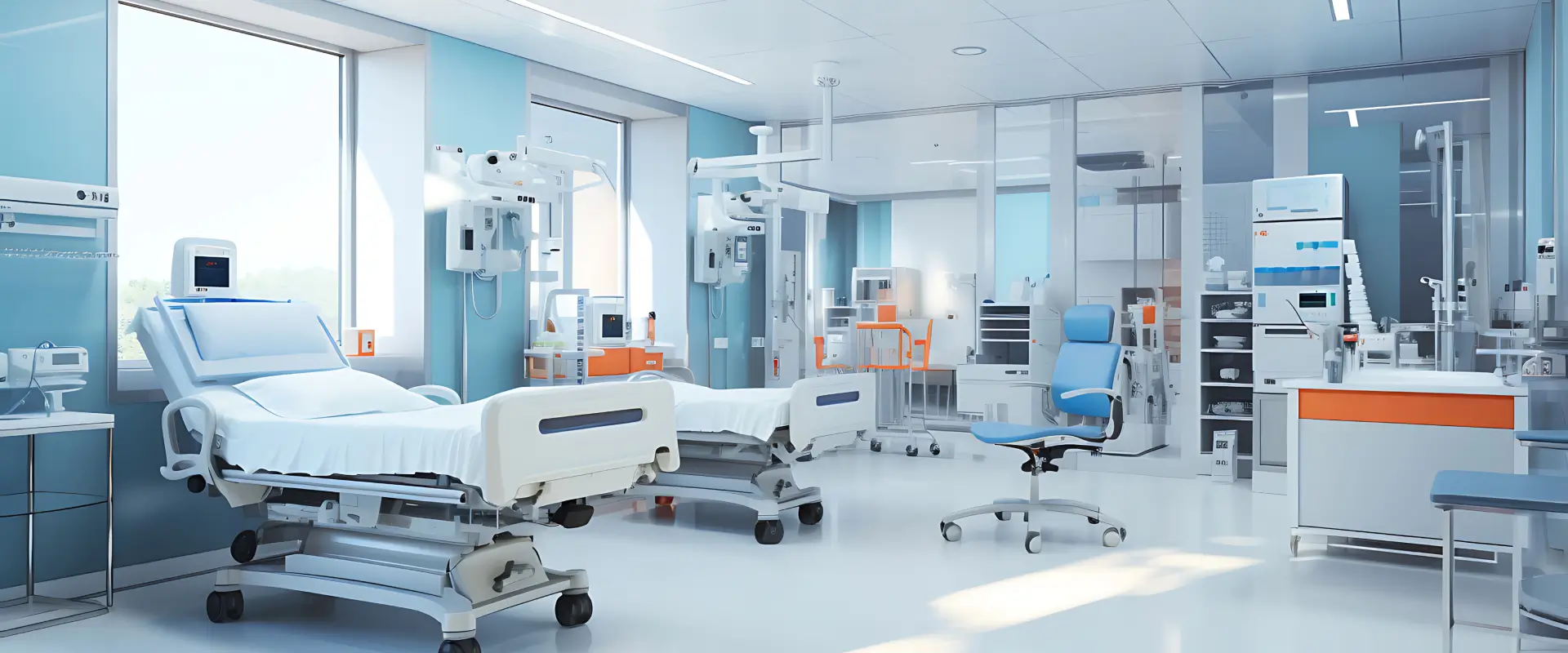
Cedars-Sinai Medical Center is an 886-bed quaternary care facility, ensuring a diverse patient population and a vast array of pathology cases. It features state-of-the-art medical technology, such as MALDI-TOF mass spectrometry and advanced laboratory instrumentation that aid residents in gaining hands-on experience with modern diagnostic methods 8. The program includes exposure to a broad spectrum of surgical specimens and laboratory tests, with over 50,000 surgical specimens processed annually.
Faculty and Mentorship
The Anatomic and Clinical Pathology Residency Program is supported by a faculty of esteemed physician-educators who are deeply invested in the development of resident skills. Residents benefit from a structured mentoring system, including semiannual portfolio reviews, which aim to ensure that trainees meet relevant milestones and achieve personal career goals 9. Faculty members actively participate in mentoring relationships, assisting residents in navigating fellowship applications and career development.
Application Information
Applying to the program requires submission through the Electronic Residency Application Service (ERAS) and includes documentation such as letters of recommendation, medical transcripts, and test scores. The program welcomes applications from both U.S. and international medical graduates. For international applicants, a current Educational Commission for Foreign Medical Graduates (ECFMG) certificate is necessary 10.
The program is regarded as highly competitive, particularly for applicants holding MD and DO degrees from U.S. institutions. Specific requirements for application include strong performance on the United States Medical Licensing Examination (USMLE) or Comprehensive Osteopathic Medical Licensing Examination (COMLEX) 10.
Visa Support
The residency program provides visa sponsorship, catering to international medical graduates seeking training opportunities in the United States. The program supports applicants under various visa types, ensuring that necessary documentation is managed effectively for residency training 10.
Conclusion and Unique Aspects
Cedars-Sinai’s residency program not only provides traditional training in pathology but also emphasizes the integration of teaching and clinical practice through unique opportunities at tumor boards and interdisciplinary conferences. The collaborative and innovative environment at Cedars-Sinai fosters the development of well-rounded, skilled practitioners prepared for success across the spectrum of pathology careers 5.
Web Sources
Director
Coordinators
Program
Training
Quality of Life
Admission
Match History
Location
Living in Los Angeles, CA
- Crime rate and safety: Los Angeles has a moderate crime rate with certain neighborhoods having higher crime rates than others. It's recommended to research and choose a safe area to live in.
- Fun activities: Los Angeles is known for its diverse entertainment options, such as Hollywood attractions, beautiful beaches, hiking trails, museums, and vibrant nightlife.
- Climate: Los Angeles has a Mediterranean climate with mild, wet winters and hot, dry summers. It is generally sunny throughout the year.
- Races and population: Los Angeles is a melting pot of cultures with a diverse population representing various races and ethnicities.
- Education: Los Angeles is home to several prestigious universities and colleges, offering a wide range of educational opportunities.
- Cost of living: The cost of living in Los Angeles is relatively high compared to other cities in the U.S., especially when it comes to housing and transportation.
- Proximity to bigger cities: Nearby bigger cities include San Diego (about 2-3 hours drive) and San Francisco (about 6-7 hours drive), offering additional urban experiences.
- Pros: Exciting cultural opportunities, diverse culinary experiences, access to beautiful beaches, great weather, and potential networking opportunities in the entertainment industry.
- Cons: High cost of living, traffic congestion, air pollution, and housing affordability challenges.