
Cedars-Sinai Medical Center Program
The Thoracic Surgery—Integrated Residency Program at Cedars-Sinai is renowned for its commitment to educating exceptional cardiothoracic surgeons through innovative mentorship, operative training, and research leadership. Cedars-Sinai consistently ranks among the nation’s leading centers for cardiology, heart and vascular surgery, and pulmonology, hosting the world’s largest heart transplant program alongside some of the most advanced structural heart and robotic surgical programs in the U.S. This program provides an exceptional educational environment with extensive research opportunities and a diverse patient population.
Residents participate in a comprehensive curriculum that encompasses every aspect of cardiovascular and thoracic surgery. This includes specialized training in cutting-edge therapeutic modalities such as robotic and transcatheter procedures. In addition, residents gain a foundational experience in general surgery during the first year of training, which is fully integrated with the ACGME General Surgery Residency Program. Each year, the faculty at Cedars-Sinai is engaged in numerous publications featured in prestigious journals, reflecting the academic richness and innovative spirit embedded in the program’s culture 1.
Curriculum
The six-year curriculum of the I-6 Thoracic Surgery Residency Program includes:
Year 1
The first year revolves around critical care and a variety of surgical specialties providing foundational training crucial for a surgical career. Areas of focus include:
- Critical care and trauma
- General surgery and ENT
- Colorectal surgery
- Vascular surgery
- Cardiac and thoracic surgery
Years 2-6
The subsequent years emphasize adult and congenital cardiovascular and thoracic surgery, including a strong focus on:
- Heart and lung transplantation
- Mechanical circulatory support
- Minimally invasive and robotic approaches
- Pediatric cardiac surgery
Graduates will meet the certification requirements for the American Board of Thoracic Surgery 3.
Training Sites
The program offers training at state-of-the-art facilities, including the Smidt Heart Institute, which serves as a hub for cardiovascular research and clinical practice. The institute encompasses advanced laboratories focusing on areas such as heart failure therapies and clinical research 2. Additionally, the program includes a significant away rotation for congenital cardiac surgery at Children’s Hospital of Los Angeles, enhancing residents’ experiences in this specialized area.
Research Opportunities
Cedars-Sinai’s commitment to research allows residents to participate in ground-breaking studies across various domains of cardiothoracic medicine. The institution’s extensive research facilities support a variety of studies in cardiovascular disease, ranging from clinical trials to advanced data science initiatives 4.
Visa Support
The Thoracic Surgery—Integrated Residency Program provides visa support for international medical graduates. The program is capable of sponsoring J-1 and H-1B visas, facilitating the application process for eligible candidates 5.
Competitiveness and Application Requirements
The application process is competitive, focusing on applicants who have graduated from accredited U.S. or Canadian medical schools or possess valid ECFMG certification. Additional application requirements include:
- USMLE Step 1 results
- USMLE Step 2 results if available
- Medical school transcript
- Three letters of recommendation
- Personal statement and MSPE (Dean’s Letter)
Interviews are conducted virtually, with a note that all positions are offered through the National Residency Matching Program 6.
Facilities & Resources
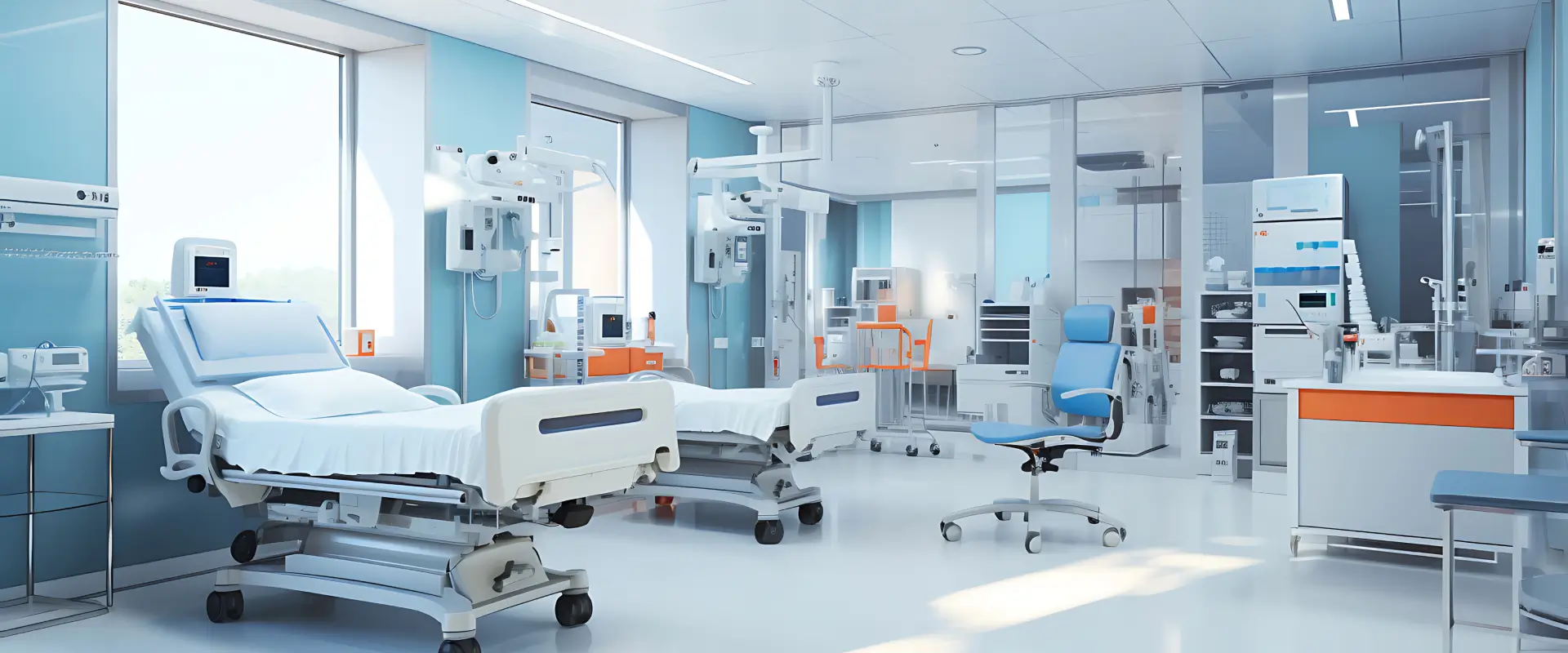
Residents have access to a comprehensive medical library, online resources, and new surgical simulation suites designed to enhance both technical skills and teamwork. The facilities aim to cultivate an environment conducive to learning and patient care 2. The campus itself spans 24 acres and includes 42 operating rooms performing over 32,000 surgeries annually, encompassing a diverse spectrum of surgical cases.
Diversity and Inclusion
The program emphasizes diversity and inclusion within its faculty, residents, and the patient population, fostering a rich learning environment that enhances the educational experience.
Web Sources
Director
Coordinators
Program
Training
Quality of Life
Admission
Match History
Location
Living in Los Angeles, CA
- Crime rate and safety: Los Angeles has a moderate crime rate with certain neighborhoods having higher crime rates than others. It's recommended to research and choose a safe area to live in.
- Fun activities: Los Angeles is known for its diverse entertainment options, such as Hollywood attractions, beautiful beaches, hiking trails, museums, and vibrant nightlife.
- Climate: Los Angeles has a Mediterranean climate with mild, wet winters and hot, dry summers. It is generally sunny throughout the year.
- Races and population: Los Angeles is a melting pot of cultures with a diverse population representing various races and ethnicities.
- Education: Los Angeles is home to several prestigious universities and colleges, offering a wide range of educational opportunities.
- Cost of living: The cost of living in Los Angeles is relatively high compared to other cities in the U.S., especially when it comes to housing and transportation.
- Proximity to bigger cities: Nearby bigger cities include San Diego (about 2-3 hours drive) and San Francisco (about 6-7 hours drive), offering additional urban experiences.
- Pros: Exciting cultural opportunities, diverse culinary experiences, access to beautiful beaches, great weather, and potential networking opportunities in the entertainment industry.
- Cons: High cost of living, traffic congestion, air pollution, and housing affordability challenges.