
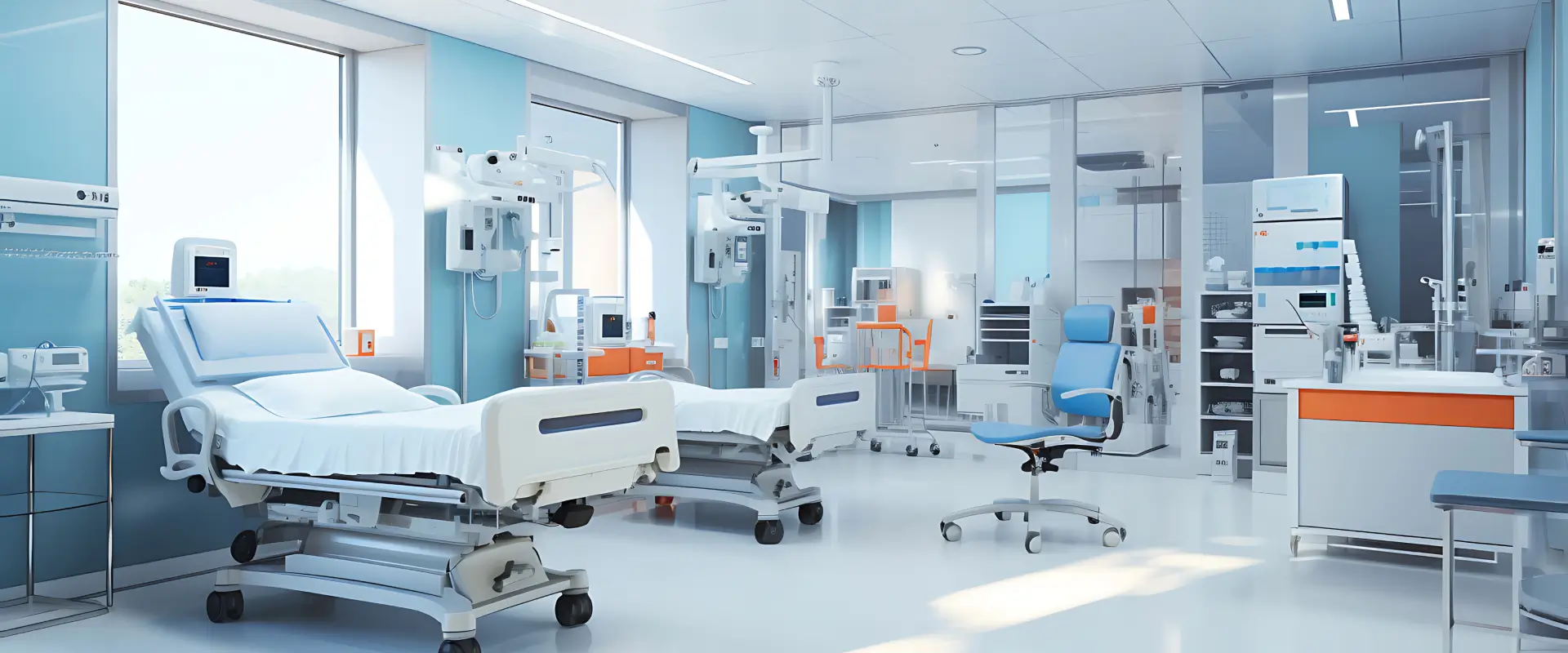
Hackensack University Medical Center (Mountainside) Program
The Internal Medicine Residency Program at Mountainside Medical Center provides a rich and multifaceted training environment aimed at developing competent, compassionate, and skilled physicians. Under the sponsorship of Hackensack University Medical Center and the Hackensack Meridian School of Medicine, the program embraces a learner-centric approach while maintaining patient-centered care.
Program Overview
The residency is structured around a philosophy of close mentoring and hands-on training. Without fellows, residents have ample opportunity to take the lead in patient care and procedures such as intubations and central line placements. The program employs an innovative “6+2” Ambulatory Block structure that minimizes conflicts between inpatient and outpatient responsibilities, ensuring a comprehensive training experience.
1
Curriculum and Rotations
The curriculum has been meticulously crafted to prepare residents for a spectrum of careers, whether as hospitalists, primary care providers, or subspecialists. Training begins on the inpatient floors, where residents encounter diverse presentations of common and rare conditions. Each team typically consists of a PGY1 resident and a supervising PGY2 or PGY3, allowing for a strong educational framework.
2
Key components of the training include:
- Medical Intensive Care Unit (MICU): Core learning goals emphasize triaging, diagnosing, and managing high-acuity patients with life-threatening conditions.
- Ambulatory Block: Residents engage in outpatient care and procedural skills in a protected setting, ensuring dedicated focus on outpatient learning.
- Quality Improvement Projects: Each resident participates in various projects, contributing valuable insights into patient safety and quality of care.
- Electives: Residents can rotate through critical subspecialties as well as participate in “away” electives to broaden their experience.
- Night Float System: This system is designed to minimize 24-hour calls, enhancing resident well-being and patient care.
3
Special Features
The program prides itself on its dedicated faculty, who are deeply invested in residents’ education, creating a supportive and collaborative work environment. Faculty members, with extensive teaching experience, focus on facilitating a culture of inquiry, compassion, and professional growth.
Moreover, the residency encourages involvement in various committees related to medical staff and hospital performance. This participation cultivates skills in teamwork, leadership, and problem-solving that are critical for successful medical careers.
4
Application Process
Applications are processed exclusively through the Electronic Residency Application Service (ERAS). Key requirements include US citizenship or a green card, graduation from an LCGME-accredited or WHO-recognized international medical school within the last five years, and successful completion of USMLE Step 1 and Step 2 CK/CS prior to starting the residency.
Unfortunately, the program does not offer visa sponsorship for any applicants, including those requiring J1, F1, or H1B visas.5
Resident Life
Residents at Mountainside Medical Center engage in a comprehensive range of conferences, including a daily morning report, noon lectures covering core topics, and a variety of specialized sessions such as Tumor Board and Ethics Conferences. This extensive educational structure ensures residents receive a thorough grounding in both theoretical knowledge and practical skills relevant to their practice.
6
Research Opportunities
Residents are encouraged to participate in scholarly activities, including research projects and presentations at major conferences. The hospital supports their scholarly pursuits and emphasizes the importance of continuous learning and contribution to the medical field.
7
Community and Culture
With a strong emphasis on camaraderie among residents, the program fosters a supportive family-like atmosphere. Social events, recognition of important life milestones, and a collaborative spirit help create a fulfilling residency experience.
8
Web Sources
Director
Coordinators
Program
Training
Quality of Life
Admission
Match History
Location
Living in Montclair, NJ
- Crime Rate and Safety: Montclair is generally considered a safe town with a low crime rate. However, it's advisable to take standard safety precautions.
- Fun Activities: Montclair offers a mix of cultural attractions, restaurants, parks, and shopping areas. Residents can enjoy events at local theaters and galleries.
- Climate: Montclair experiences four distinct seasons with warm summers and cold winters. Spring and fall offer mild temperatures.
- Races and Population: Montclair is a diverse community with a mix of different races and ethnicities. The population is a blend of various cultures.
- Education: Montclair is known for its public schools and proximity to universities and colleges like Montclair State University.
- Cost of Living: The cost of living in Montclair is higher than the national average, mainly driven by real estate prices.
- Proximity to Major Cities: Montclair is located about 13 miles (approximately 30 minutes by car) from New York City. Residents can easily access the cultural and job opportunities of NYC.
- Pros and Cons: Pros include a vibrant community, cultural diversity, and proximity to NYC. Cons may include higher costs of living compared to other areas.