
Henry Ford Health/Henry Ford Hospital Program
The Interventional Radiology Residency Program at Henry Ford Health in Detroit is known for its rigorous training environment and a wide array of educational opportunities. Established following the recognition of Interventional Radiology as a primary medical specialty by the American Board of Medical Specialties (ABMS) in 2012, the program offers both IR-Integrated and IR-Independent pathways aimed at providing comprehensive education and experience in this critical field.
Curriculum Overview
The residency program ensures that residents receive exposure to all subspecialties in Radiology during their training. Specifically, the IR-Independent residency program spans 2 years, while the IR-Integrated program combines the path during earlier training years as part of a 6-year series, which begins with a comprehensive medical internship year, inclusive of Internal Medicine and Emergency Medicine rotations.
1
Clinical Rotations
Residents participate in structured rotations designed to provide them with a balanced exposure to various subspecialties in radiology, including Interventional Radiology itself. Additionally, clinical rotations include hands-on training in dedicated scenarios such as tumor ablation, prostate artery embolization, and advanced image-guided techniques including CT and Ultrasound guided procedures. Comprehensive educational experiences are enhanced through practical rotations, which take place at both the main Henry Ford Hospital campus and its associated facilities.
2
Research Opportunities
Research plays a pivotal role within the residency program, with numerous avenues available for residents to engage and contribute. Favorably supported by institutional resources, residents are encouraged to pursue research projects, with provisions for funding to attend and present findings at national conferences, ensuring robust scholarly activity throughout the residency program.
3
Facilities and Training Resources
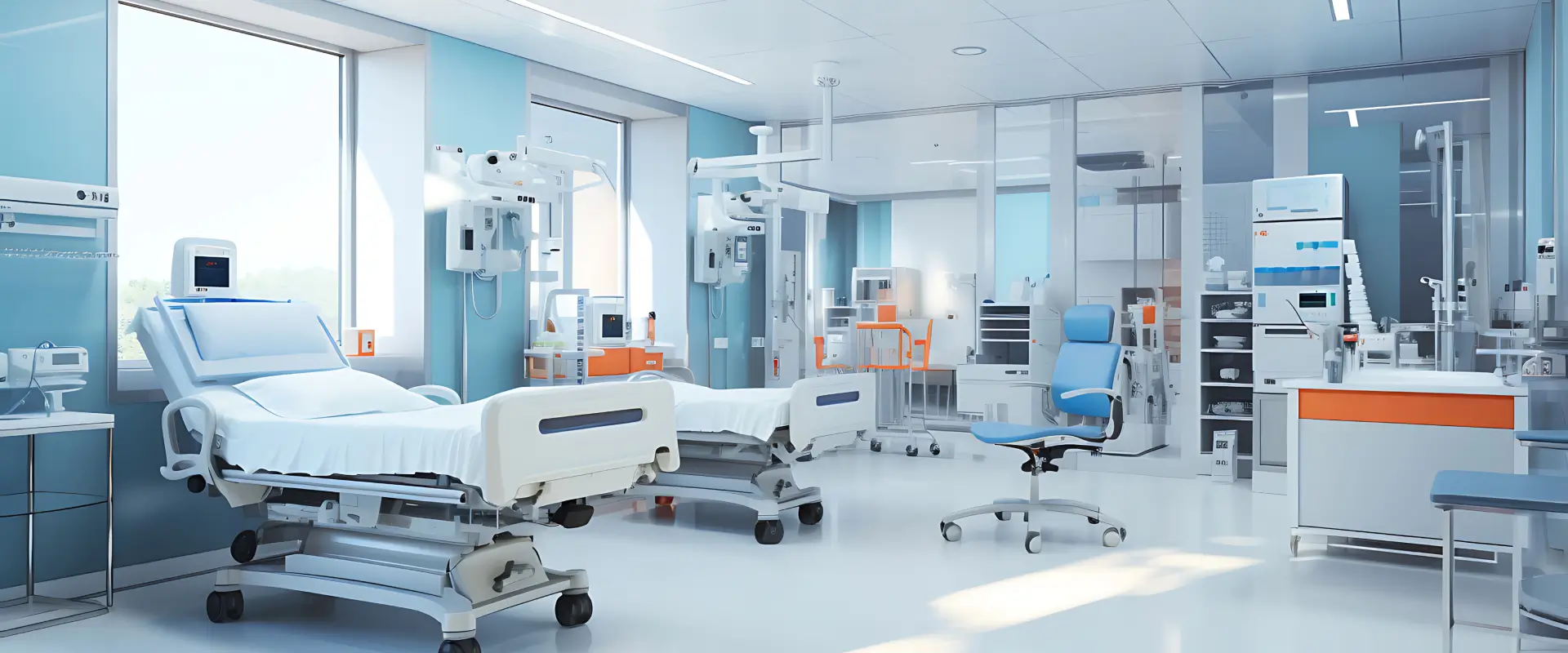
The Department of Radiology at Henry Ford Hospital has state-of-the-art facilities that include access to advanced imaging technologies and a dedicated Simulation Center. The Simulation Center features a Mentice endovascular simulator allowing residents to practice various interventional procedures in a controlled, risk-free environment, thereby enhancing their skills before they undertake actual procedures.
4
Unique Aspects of the Program
Henry Ford Health is highly regarded for its focus on wellness, maintaining a significant emphasis on the mental health of residents through initiatives that include wellness rounds and themed appreciation events. The program is actively engaged in promoting diversity and inclusion, with specific strategies aimed at improving representation within the field of Radiology.
5
Competitiveness and Application Requirements
The IR residency program is regarded as competitive, with applications accepted from various backgrounds, including both MD graduates and DO graduates. The program accepts international medical graduates as well, fostering diversity among residents. There are no minimum GPA or USMLE/COMLEX score requirements; however, all components of the application are evaluated holistically.
6
Visa Support
The program sponsors J-1 visas for international applicants, providing the necessary support for visa-related questions throughout the application process.
7
Benefits
Residents at Henry Ford enjoy a comprehensive benefits package, which includes a competitive salary, opportunities for internal moonlighting once they have reached certain levels of training, generous paid time off, and funding for professional development, including board preparation resources.
8
Conclusion
Overall, the Interventional Radiology Residency at Henry Ford Health is designed to cultivate skilled, compassionate, and knowledgeable radiologists who are prepared to tackle the complexities of interventional procedures. With its wide-ranging clinical exposure, research opportunities, and focus on well-being, this program serves as an excellent choice for those pursuing a career in radiology.
9
Web Sources
- Interventional Radiology Residency | Henry Ford Health
- About Us | Interventional Radiology Residency
- Research | Interventional Radiology Residency
- Simulation Center | Interventional Radiology Residency
- Wellness Committee | Interventional Radiology Residency
- Common Applicant Questions | Interventional Radiology
- Information for Radiology Applicants | Interventional Radiology Residency
- Benefits | Interventional Radiology Residency | Henry Ford Health
- Program Curriculum and Rotations | Interventional Radiology Residency
Director
Coordinators
Program
Training
Quality of Life
Admission
Location
Living in Birmingham, AL
- Crime Rate and Safety: Birmingham has a higher crime rate compared to the national average, but certain neighborhoods are safer than others. It's advisable to research specific areas before choosing a residence.
- Fun Activities: The city offers a variety of cultural and outdoor activities, including museums, parks, restaurants, and live music venues.
- Climate: Birmingham has a humid subtropical climate with hot summers and mild winters. Be prepared for some humidity and occasional storms.
- Races and Population: Birmingham is a diverse city with a mix of races, ethnicities, and cultures. The population is around 200,000 people.
- Education: Birmingham is home to several colleges and universities, providing opportunities for further education and cultural events.
- Cost of Living: The cost of living in Birmingham is lower than the national average, making it an attractive option for residents.
- Proximity to Bigger Cities: Birmingham is within driving distance of major cities like Atlanta, Georgia (about 2.5 hours away), and Nashville, Tennessee (around 3 hours away).
- Pros: Affordable cost of living, diverse culture, proximity to other cities.
- Cons: Higher crime rate in some areas, hot and humid summers.