
Henry Ford Health/Henry Ford Hospital Program
The Department of Anesthesiology at Henry Ford Health is dedicated to providing a comprehensive training program for residents, combining clinical excellence, outstanding mentorship, and an educational experience that prepares them for a successful career in anesthesiology. The residency is a fully accredited four-year program, fulfilling all certification requirements set forth by the American Board of Anesthesiology (ABA).
Program Overview
The Anesthesiology Residency program at Henry Ford Hospital offers 14 positions annually, drawing on a robust infrastructure supported by one of the largest integrated health care delivery systems in the country. The hospital performs over 50,000 surgical procedures each year across all major subspecialties, providing residents with an extensive array of clinical experiences. Residents are trained from the first year onwards, which includes a longitudinal curriculum tailored to integrate anesthesiology training into the first postgraduate year (PGY-1).
Curriculum and Rotations
The residency program emphasizes a structured series of rotations across various specialties every year. In the PGY-1 year, residents engage in multiple rotations such as Inpatient Internal Medicine, Emergency Medicine, and have an extensive introduction to anesthesiology, which includes three months of direct experience in the Anesthesiology department. This early immersion is unique among residency programs and helps residents develop essential skills far earlier than typical.
During the subsequent years, the training becomes increasingly focused. The second year (PGY-2) establishes a foundation in clinical anesthesiology, with rotations including obstetric anesthesia, vascular anesthesia, and neuroanesthesia. Moving into the third year (PGY-3), residents start subspecialty rotations, including pediatric and cardiac anesthesiology. By the fourth year (PGY-4), residents are elevated to leadership roles in the operating room and manage complex cases, which is vital for their transition to independent practice.
Clinical Experience
Residents benefit from exposure to an impressive variety of cases. The clinical environment is rich with high-risk obstetric cases, organ transplantation, and trauma, among others. Additionally, Henry Ford Hospital’s proximity to the Children’s Hospital of Michigan allows for significant pediatric anesthesiology training. This diverse pathology ensures residents are well-prepared for board examinations and future practice settings.
Facilities and Resources
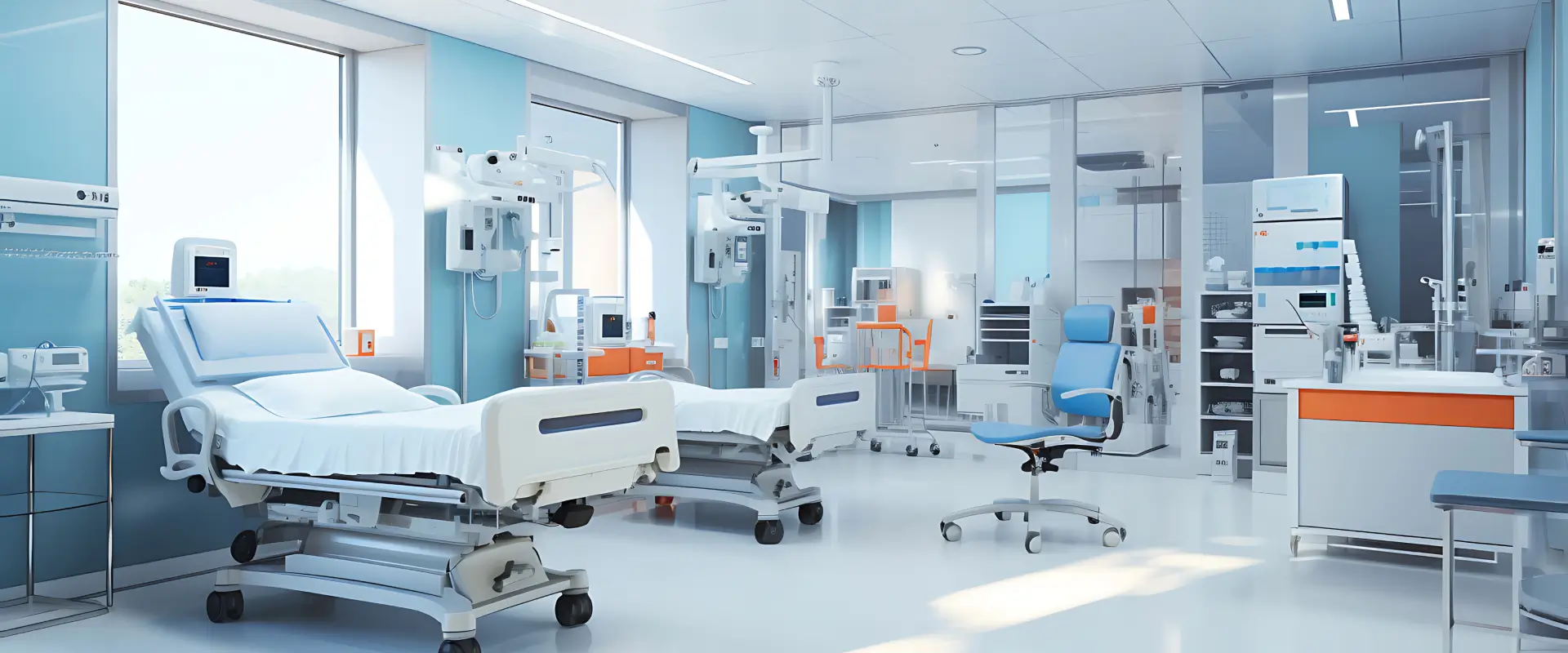
The state-of-the-art facilities at Henry Ford Hospital, including advanced simulation laboratories, provide residents with unparalleled opportunities for skill acquisition. The dedicated 15,000 square-foot Simulation Center, equipped with the latest technology, is a pivotal resource, enabling residents to practice procedures in a risk-free environment.
Research Opportunities
Henry Ford Health is an NIH-funded institution and actively engages in more than 2,000 research projects annually. Residents are encouraged to participate in research, with support available from faculty dedicated to mentoring and guiding residents through the research process. The program also promotes scholarly activities, and residents often present their findings at national conferences.
Didactic Experience
The educational framework within the residency program emphasizes active learning through diverse formats, including case-based discussions, simulation, and workshops. Residents have protected time for didactics, ensuring ample opportunity for education without the stress of concurrent clinical duties. Monthly journal clubs and grand rounds facilitate exposure to the latest advancements in anesthesiology.
Mentorship and Faculty
The faculty at Henry Ford Hospital comprises a diverse group of professionals, each with specialized skills in various areas of anesthesiology, ensuring residents have access to a wealth of knowledge and experience. The program emphasizes faculty involvement in education, providing mentoring opportunities that guide residents through both clinical training and personal career development.
Application Process
For prospective applicants, the Henry Ford Anesthesiology Residency program is competitive, welcoming both MD and DO graduates, and encourages applications from international medical graduates (IMGs) as well. There are specific application requirements, including a valid ECFMG certificate and proof of visa status for those who need sponsorship, allowing for comprehensive support during the application process.
Visa Support
For international applicants, the Henry Ford Anesthesiology Residency program is supportive of visa sponsorship, including J-1 and H-1B visas, ensuring that qualified candidates can join the ranks of its medical trainees.
Work-Life Balance and Wellness
In addition to a rigorous academic schedule, the program values physician wellness and promotes a culture that encourages work-life balance. Residents participate in structured wellness activities and receive support throughout their training journey, ensuring their emotional and mental well-being.
The Department of Anesthesiology prides itself on training residents to be not just excellent clinicians but also educators and advocates within the healthcare community. The multidisciplinary environment encourages collaboration across various specialties, preparing residents for the complexities of modern medical practice.
Web Sources
- Anesthesiology Residency Program - Overview
- Cardiothoracic Anesthesiology Fellowship
- Letter from the Chairman
- Critical Care Anesthesiology Fellowship
- Clinical Curriculum Overview
- Didactic Experience Overview
- Meet Our Faculty
- Pain Medicine Fellowship Overview
- Anesthesiology Department Overview
- Letter from the Program Director
- Program Videos
- Meet the Residents
- Pain Medicine Fellowship Overview (Duplicate)
Director
Coordinators
Program
Training
Quality of Life
Admission
Match History
Location
Living in Detroit, MI
- Crime Rate and Safety: Detroit has had challenges with crime in the past, but efforts have been made to improve safety in certain areas. It's recommended to research specific neighborhoods for safety ratings.
- Fun Activities: Detroit offers a vibrant cultural scene with museums, art galleries, live music venues, and sports events. The city is also known for its strong music and automotive history.
- Climate: Detroit experiences all four seasons with warm summers and cold winters. Residents can enjoy outdoor activities throughout the year.
- Races and Population: Detroit has a diverse population with residents from various racial and ethnic backgrounds contributing to the city's rich cultural tapestry.
- Education: Detroit is home to several universities and colleges providing educational opportunities for residents. The city also has a strong K-12 school system.
- Cost of Living: Detroit has a relatively affordable cost of living compared to other major cities, making it an attractive option for residents on a budget.
- Proximity to Bigger Cities: Detroit is approximately a 4-hour drive from Chicago, IL, offering residents the opportunity for weekend getaways to a larger city known for its architecture, food scene, and cultural attractions.