
Jacobi Medical Center/Albert Einstein College of Medicine Program
Jacobi Medical Center, an integral part of the New York City Health and Hospitals system, collaborates with the Albert Einstein College of Medicine to offer a robust Diagnostic Radiology Residency Program. The program is ACGME accredited and comprises four years of intensive training designed to develop proficient and compassionate radiologists.
The program accepts five residents each year, allowing for personalized attention and mentorship from dedicated faculty. Additionally, there are two Early Specialization in Interventional Radiology (ESIR) positions available for each graduating class, enabling residents with a keen interest in interventional radiology to gain focused training in this subspecialty 1.
Curriculum
The curriculum is meticulously structured to provide residents with graduated responsibility throughout their training. This approach promotes the development of autonomy and decision-making skills in a supportive educational environment 1.
Rotations and Training Sites
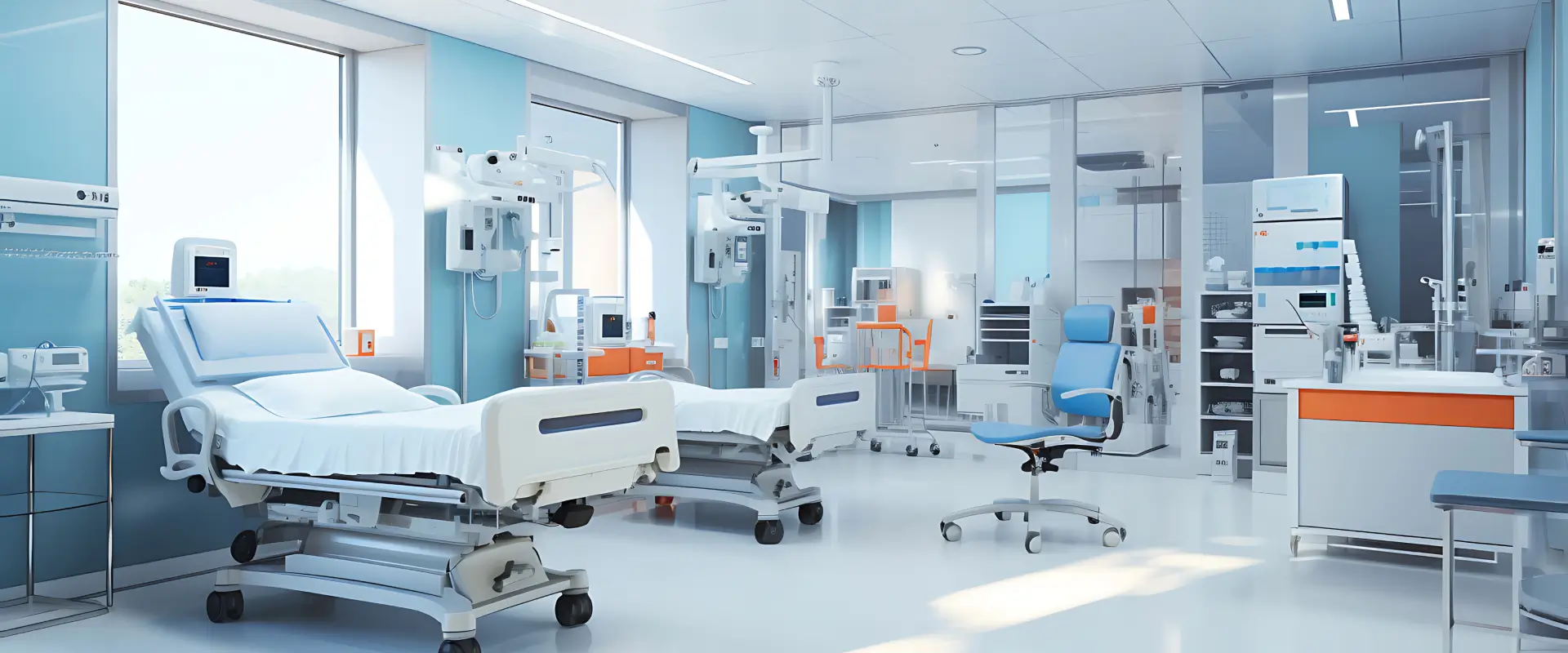
Residents rotate through several subspecialties within radiology including but not limited to, abdominal imaging, interventional radiology, musculoskeletal radiology, neuroimaging, and pediatric radiology. The training occurs primarily at Jacobi Medical Center, which features state-of-the-art imaging equipment and facilities, as well as access to a diverse patient population, further enriching residents’ clinical education.
Research Opportunities
Residents at Jacobi Medical Center are encouraged to actively participate in meaningful research projects throughout their training. Research initiatives are often collaborative, involving faculty from both the radiology department and other specialties within the Albert Einstein College of Medicine 1. This collaboration allows residents to contribute to significant advancements in medical knowledge and practices.
Community Involvement and Teaching
Teaching is an essential component of the residency training. Residents will have opportunities to educate medical students from the Albert Einstein College of Medicine, fostering leadership skills and reinforcing their own knowledge base. Furthermore, residents are encouraged to engage in various committees within the department and hospital, which allows for further alignment with community service 1.
Application Process
The application process is competitive, accepting five residents annually through the National Resident Matching Program (NRMP). The program is devoid of barriers commonly associated with residency applications, being DO and IMG friendly, thus providing opportunities for a diverse group of candidates to gain acceptance. Candidates should be aware of specific application requirements, including a maximum of two failed attempts on the STEP exam and the necessity for timely submission of applications 1.
Visa Support
For international medical graduates (IMGs), the program offers visa sponsorship options, including the J-1 visa for exchange visitors. This support is pivotal for IMGs who aspire to join the program and is part of Jacobi’s commitment to fostering an inclusive environment for all qualified applicants 1.
Competitive Landscape
The residency program holds a reputation for being highly competitive, yet the welcoming approach towards applicants from diverse backgrounds—including US Graduates, DOs, and IMGs—facilitates a varied and enriched residency cohort.
The Jacobi Medical Center Diagnostic Radiology Residency Program seeks candidates who are not only academically accomplished but who also demonstrate a strong commitment to patient care and community service. With robust training, ample research opportunities, and comprehensive support, residents are well-prepared for successful careers in radiology.
Director
Coordinators
Program
Training
Quality of Life
Admission
Match History
Location
Living in Bronx, NY
- Crime Rate and Safety: The Bronx has seen improvements in safety in the recent years, but some neighborhoods still have higher crime rates. It's essential to do research on specific areas for safety concerns.
- Fun Activities: The Bronx offers a variety of cultural attractions like the Bronx Zoo, the New York Botanical Garden, and Yankee Stadium for sports fans. There are also many parks and green spaces for outdoor activities.
- Climate: The climate in the Bronx is typical of the northeast, with hot summers and cold winters. Be prepared for all four seasons.
- Races and Population: The Bronx is a diverse borough with a mix of racial and ethnic groups, making it a vibrant and multicultural community.
- Education: The Bronx is home to several universities and colleges, providing educational opportunities for residents. It also has a strong public school system.
- Cost of Living: The cost of living in the Bronx is relatively high compared to other parts of the country, especially when it comes to housing costs. However, there are affordable options available.
- Proximity to Bigger Cities: Manhattan is the closest and can be reached within 30-45 minutes driving. Manhattan offers a bustling urban environment with endless entertainment and dining options.
- Pros: Cultural diversity, proximity to Manhattan, educational opportunities.
- Cons: Higher cost of living in some areas, safety concerns in certain neighborhoods.