
Johns Hopkins University Program
The program offers a distinctive Combined Anesthesiology and Pediatrics Residency that is structured to provide extensive training and experience in both anesthesiology and pediatrics. Located at The Johns Hopkins Hospital, specifically within the Johns Hopkins Children’s Center, this residency program is accredited by ACGME and spans five years.
The first year of residency is fully dedicated to pediatrics. Residents begin their journey as interns, participating alongside categorical pediatric residents, which allows for a solid foundation in pediatric care. The experience gained in pediatrics is crucial as it builds the necessary skills and understanding needed for subsequent training in anesthesiology.
In the second year, residents transition into anesthesiology. They commence their PGY-2 year alongside categorical anesthesiology residents who have successfully completed their preliminary or transitional internships. This transition allows them to delve deeper into the principles of anesthesiology while benefiting from their medical background in pediatrics.
The third, fourth, and fifth years entail an alternating schedule, spending approximately three months in each department, with a total of six months dedicated to both pediatrics and anesthesiology each year. This unique approach provides residents with a comprehensive education that highlights the integration of both fields, particularly beneficial for those seeking careers in pediatric anesthesiology or related areas such as pediatric pain management and critical care.
Curriculum and Rotations
The curriculum is designed to ensure that residents develop the necessary competencies in both anesthesiology and pediatrics. Each rotation offers exposure to a variety of clinical scenarios, providing a rich learning environment where residents can apply theoretical knowledge in practical settings. The rotations are structured to cover essential topics within both fields, allowing residents to develop expertise in managing pediatric patients in the perioperative setting.
Research Opportunities
Research is an integral part of the residency program, encouraging residents to engage in scholarly activities that contribute to the understanding and advancement of pediatric anesthesiology. Opportunities may include collaboration with faculty on ongoing research projects, involvement in clinical trials, and the publication of research findings in peer-reviewed journals.
Training Sites
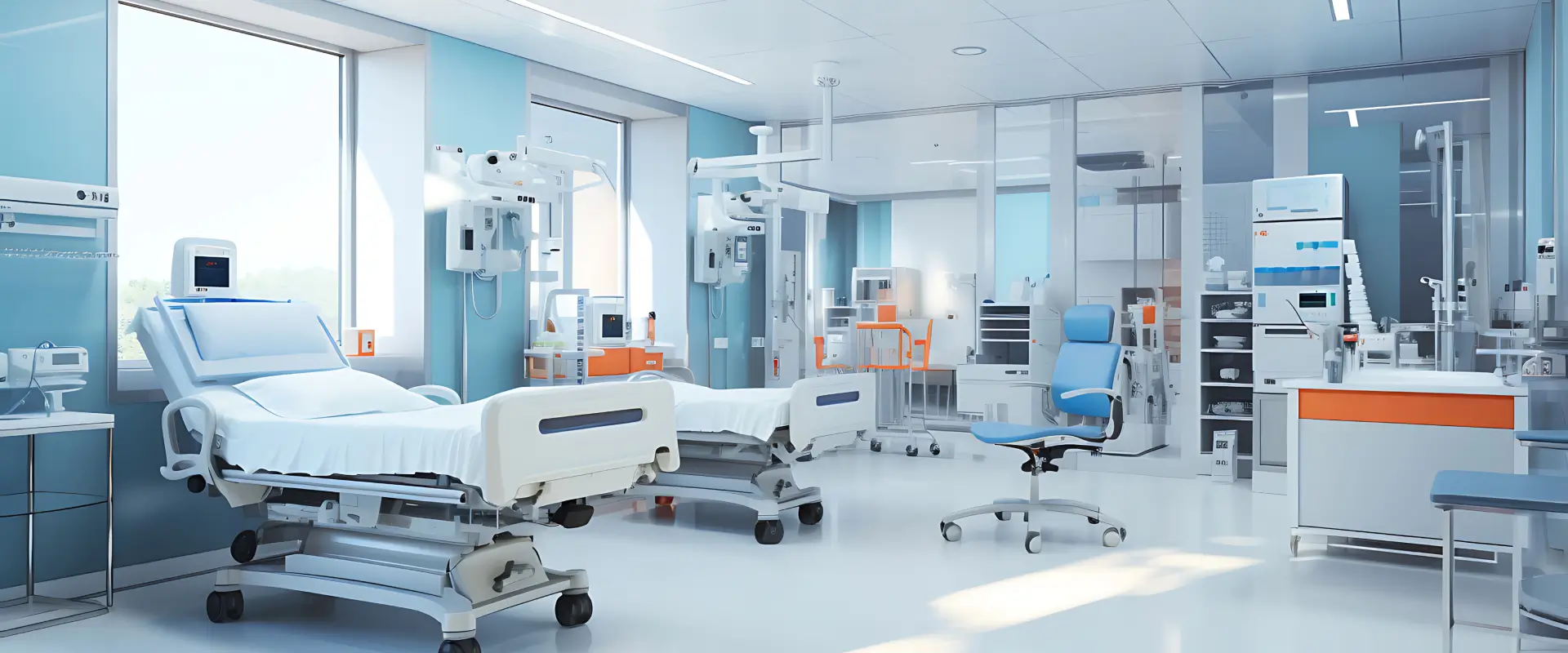
The primary training site for the program is The Johns Hopkins Hospital, which is recognized for its leading role in healthcare and medical education. The facility is equipped with advanced medical technology and resources that support an excellent learning environment. Additionally, the program may include opportunities to experience training in affiliated hospitals, offering residents exposure to diverse patient populations and clinical practices.
Visa Support
The program provides support for international medical graduates, particularly concerning visa sponsorship. It may sponsor work visas such as the H-1B, catering to those who require authorization to train in the United States. This aspect opens opportunities for both American and international candidates to apply, thereby enriching the program’s diversity.
Competitiveness and Application Requirements
The program is known to be highly competitive. Applicants need to demonstrate a strong academic performance and relevant clinical experience. Specific application requirements may include considerations regarding the year of graduation and possibly a maximum number of failed STEP exams, ensuring that candidates have a robust background in both basic sciences and clinical practice.
This comprehensive approach equips residents with the skills necessary to excel as pediatric anesthesiologists, preparing them to address the unique challenges associated with providing anesthesia care to children.
Web Sources
Director
Coordinators
Program
Training
Quality of Life
Admission
Location
Living in Baltimore, MD - Program Location Overview
- Crime Rate and Safety: Baltimore has a higher crime rate compared to the national average, with some areas being safer than others. It's essential to research specific neighborhoods for safety before moving.
- Fun Activities: Baltimore offers a variety of cultural attractions, such as the Inner Harbor, museums, historic sites, and waterfront activities. There are also parks, nightlife spots, and diverse dining options to explore.
- Climate: Baltimore experiences all four seasons, with hot summers and cold winters. Spring and fall are mild and pleasant, making outdoor activities enjoyable during those times.
- Races and Population: Baltimore is a diverse city with a significant African American population. It also has a mix of other races and ethnicities, contributing to its vibrant culture and communities.
- Education: Baltimore is home to several universities and colleges, providing educational opportunities and contributing to the city's intellectual landscape.
- Cost of Living: The cost of living in Baltimore is slightly above the national average, with housing costs being a significant factor. Rent and home prices can vary greatly depending on the neighborhood.
- Proximity to Bigger Cities: Baltimore is about an hour's drive away from Washington, D.C., and Philadelphia. Both cities offer their own unique attractions, cultural experiences, and job opportunities for residents willing to commute.
- Pros: Diverse population, cultural attractions, educational opportunities, proximity to other major cities.
- Cons: Higher crime rate in some areas, slightly above average cost of living, extreme weather conditions.