
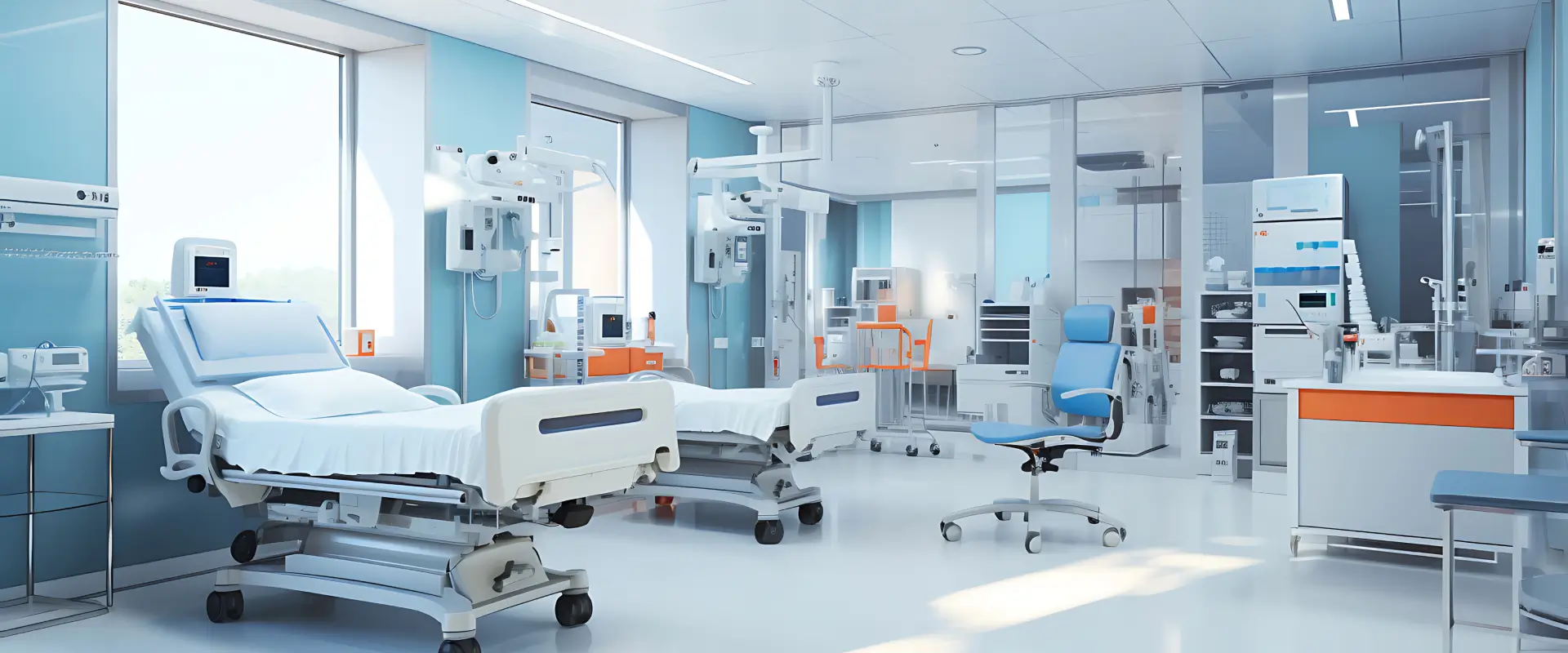
Maimonides Medical Center/Infants and Children’s Hospital of Brooklyn Program
The Maimonides Medical Center/Infants and Children’s Hospital of Brooklyn Program offers a comprehensive pediatrics residency that provides exceptional training for residents in a dynamic and supportive environment. As Brooklyn’s only children’s hospital, it is dedicated to advancing the health of pediatric patients through specialist training, education, and an array of clinical experiences.
Curriculum Overview
The pediatric residency curriculum at Maimonides is designed to cultivate a deep understanding of child health, encompassing various pediatric specialties. Residents are immersed in a rigorous program that includes clinical rotations across multiple pediatric subspecialties, including neonatology, pediatric emergency medicine, and pediatric critical care. The curriculum emphasizes a strong foundation in general pediatrics while also ensuring that residents are adept in managing complex medical conditions.
Clinical Rotations
Residents will experience a diverse range of clinical environments during their training. The rotations include:
- Neonatal and Pediatric Intensive Care: Exposure to critically ill patients in the state-of-the-art Neonatal Intensive Care Unit (NICU) and Pediatric Intensive Care Unit (PICU).
- Pediatric Inpatient Services: Training on inpatient wards, where residents manage the full spectrum of childhood illnesses.
- Pediatric Emergency Medicine: Intensive training in emergency settings for urgent pediatric care.
- Subspecialty Rotations: Opportunities in pediatric cardiology, gastroenterology, endocrinology, and more.
Research Opportunities
The program strongly encourages residents to engage in research within the field of pediatrics. As part of Maimonides’ commitment to advancing pediatric medicine, residents can participate in ongoing studies and clinical trials across various specialties. Research projects typically focus on improving pediatric care delivery, exploring new treatment modalities, and understanding health disparities in the community. Residents receive mentorship from faculty who are dedicated to supporting their academic and research interests.
Unique Aspects of the Program
One of the standout features of the Maimonides Pediatrics Program is its dedicated Child Life, Creative Arts, and Education Programs that focus on reducing stress for hospitalized children through therapeutic and educational activities. Furthermore, the program emphasizes family-centered care, ensuring that the families of patients play an active role during the treatment process.
Training Sites
The residency operates in a diverse array of training sites, including the Maimonides Children’s Hospital, which is equipped with a comprehensive range of pediatric services. In addition to the hospital, residents may have opportunities to engage with community clinics and other healthcare facilities to gain experience in various healthcare delivery settings.
Visa Support
The Maimonides Pediatrics Program provides visa sponsorship for international medical graduates (IMGs). This typically includes support for J-1 and H-1B visa applications, facilitating participation from a diverse group of residents.
Competitiveness and Application Requirements
The Maimonides Pediatrics Program is considered competitive, particularly for U.S. medical graduates. However, it remains inclusive and welcoming towards DO and IMG applicants. Special application requirements may include:
- No more than a specified number of failed USMLE Step exams.
- Graduation from medical school within a defined timeframe.
- Completion of core clinical rotations before applying.
Resident Life and Support
The residency program fosters a collaborative atmosphere, emphasizing well-being and professional development among residents. The support mechanisms in place include regular feedback sessions, wellness programs, and opportunities for social interaction among residents, creating a supportive community.
Web Sources
Coordinators
Program
Training
Quality of Life
Admission
Match History
Location
Living in Brooklyn, NY
Brooklyn, a borough of New York City, offers a diverse and vibrant living experience with a mix of cultures, activities, and amenities.
- Crime Rate & Safety: Brooklyn has both safe and less safe neighborhoods. It's important to research specific areas for safety.
- Fun Activities: Brooklyn has a vibrant art scene, numerous parks, trendy restaurants, and cultural events throughout the year.
- Climate: Brooklyn experiences all four seasons with warm summers and cold winters.
- Races and Population: Brooklyn is known for its diverse population with various races and cultures living together.
- Education: Brooklyn has a range of educational institutions, including colleges, universities, and schools.
- Cost of Living: The cost of living in Brooklyn can be high, especially in certain desirable neighborhoods.
- Proximity to Other Cities: Brooklyn is close to Manhattan, approximately a 30-60 minute drive, depending on traffic.
- Pros: Cultural diversity, plenty of entertainment options, convenient public transportation.
- Cons: High cost of living, traffic congestion, some areas may have safety concerns.