
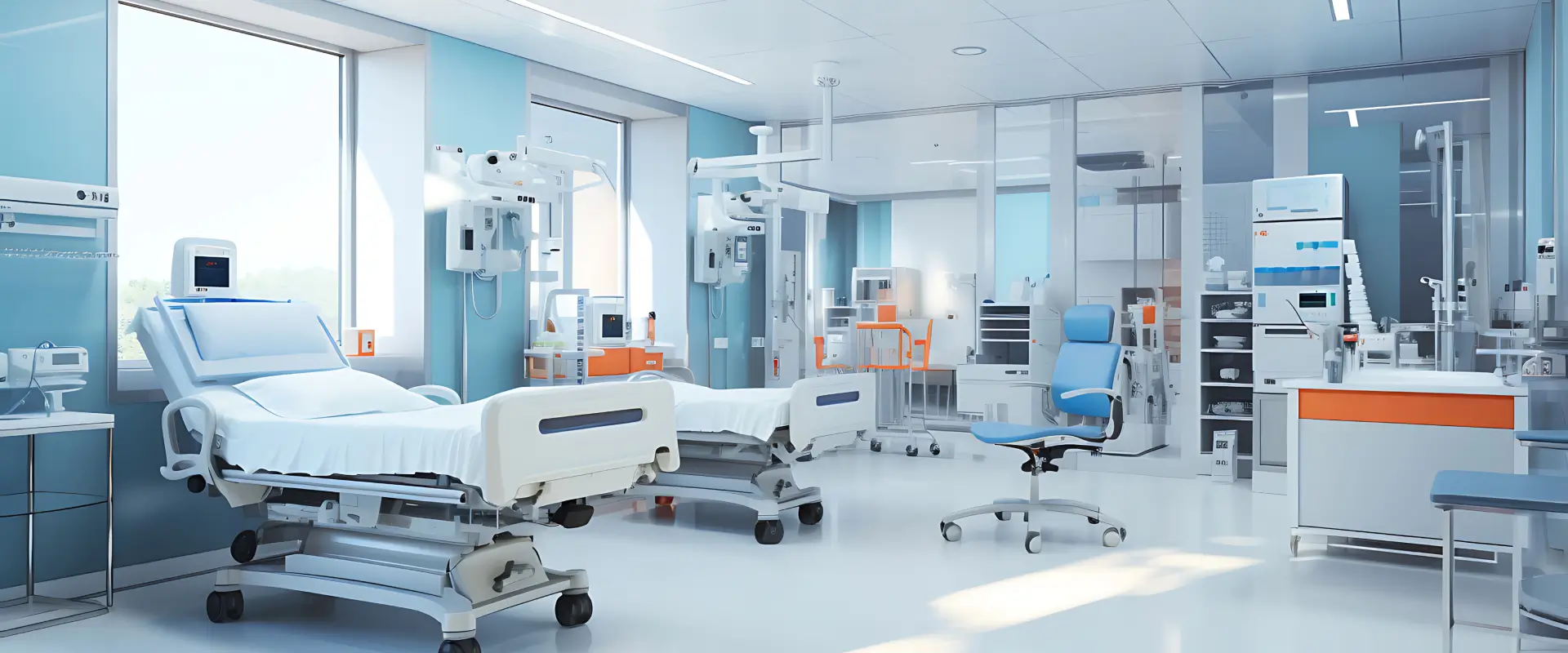
New York Presbyterian Hospital (Columbia Campus) Program
Overview of the Program
The New York Presbyterian Hospital (Columbia Campus) offers amultidisciplinary Dermatopathology fellowship in conjunction withits comprehensive dermatology residency program. This programensures in-depth training and exposure to a broad spectrum ofdermatopathological cases, integrating clinical dermatology withadvanced diagnostic techniques. Residents engage extensively withskin disorders affecting both adults and children through variousclinical rotations at affiliated hospitals.
1
The program aims to produce highly skilled academicdermatologists who excel in patient care as well as in research. Itutilizes state-of-the-art facilities and a robust curriculum toprepare residents for their future careers in dermatology.
2
Curriculum Structure
The curriculum spans three years and combines clinical rotationswith didactic learning sessions. Residents participate in a rangeof clinical settings, gaining hands-on experience while practicingunder the supervision of faculty experts. The curriculumincorporates core lectures, journal reviews, and specialty trainingsuch as dermatopathology, ensuring a thorough understanding of boththeory and practice.
3
Residents are exposed to diverse clinical environments, whichallows them to manage a variety of skin conditions actively.Pathology training is integrated throughout the dermatologyresidency, allowing for maximum learning during rotatorysessions.
4
Training Sites
Residents train at several prestigious institutions within theNYP/CUIMC system. Key locations include:
- The Herbert Irving Center for Dermatology & Skin Care
- New York-Presbyterian Milstein Pavilion
- New York-Presbyterian Morgan Stanley Children’s Hospital
- New York-Presbyterian Allen Pavilion
- James J. Peters Veteran’s Administration Medical Center
2
This varied exposure ensures a well-rounded clinical experiencewhere residents can engage with a diverse patient population withdifferent dermatological needs.
5
Research Opportunities
Research forms an integral part of the fellowship program. Thedermatology department engages in active basic science research andclinical trials, offering residents the chance to participate insignificant investigative efforts. Research facilities boast modernlaboratories, and residents have access to essential resourcesincluding state-of-the-art microscopy and molecular diagnostictools.
6
Furthermore, the department fosters an environment encouragingacademic inquiry, supporting residents’ interests in pursuingfellowship training in specific dermatology subspecialties such asMohs surgery or dermatopathology.
7
Application Process and Requirements
The program encourages a holistic application review process.Applicants must have completed a first-year residency in a relevantarea accredited by ACGME. A valid ECFMG certificate is required forforeign medical graduates, who are also welcome to apply.
3
Applications are submitted via the ERAS system and must becomplete by the specified deadline. Necessary application materialsinclude:
- Personal Statement
- Curriculum Vitae
- Official Medical School Transcripts
- Dean’s Letter
- Three Letters of Reference
- USMLE Scores (minimum of Step 1, and Step 2 is encouraged)
8
Notably, the program exclusively sponsors J-1 visas forinternational residents.
9
Competitiveness
The dermatology residency program is highly competitive. Eachyear, approximately 3 to 5 residents are accepted into the programafter their PGY-1 year. The selection is based on a comprehensivereview of the application materials, taking into considerationindividual accomplishments and experiences in addition to testscores.
2
The program actively seeks to recruit a diverse group ofresidents and fosters a culture of respect and inclusivity. Thiscommitment includes a focus on attracting candidates from variousbackgrounds, providing an exceptional training environment thatreflects the community it serves.
8
Frequently Asked Questions
Residents typically spend 11-12 months of their training at theJames J. Peters VA Hospital. Each class averages about 12residents. The program’s structure allows residents to develop bothclinical acumen and research skills in parallel.
6
Moonlighting opportunities may be available for residents duringtheir final year of training, subject to program leadershipapproval.
7
Web Sources
Director
Coordinators
Program
Training
Quality of Life
Admission
Location
Living in New York, NY
- Crime Rate and Safety: New York City has improved its safety over the years, but like any big city, it does have some crime. However, most areas where medical residents live and work are considered safe.
- Fun Activities: New York City is a hub of culture, entertainment, and dining. From Broadway shows to world-class museums and iconic landmarks like Central Park and the Statue of Liberty, there's always something to do.
- Climate: New York City experiences all four seasons. Winters can be cold and snowy, while summers are warm and humid. Spring and fall offer mild temperatures.
- Races and Population: New York City is one of the most diverse cities in the world, with a large population of various races and ethnicities.
- Education: New York City is home to prestigious universities and medical centers, offering ample opportunities for learning and networking.
- Cost of Living: The cost of living in New York City is high, particularly for housing. Medical residents may need to budget carefully to afford living in the city.
- Nearby Cities: Other major cities like Philadelphia and Boston are within a few hours' drive of New York City. Philadelphia is about 1.5 to 2 hours away by car, while Boston is around 3.5 to 4 hours away.
- Pros: Diverse culture, countless entertainment options, easy access to top medical facilities.
- Cons: High cost of living, crowded and fast-paced environment.