
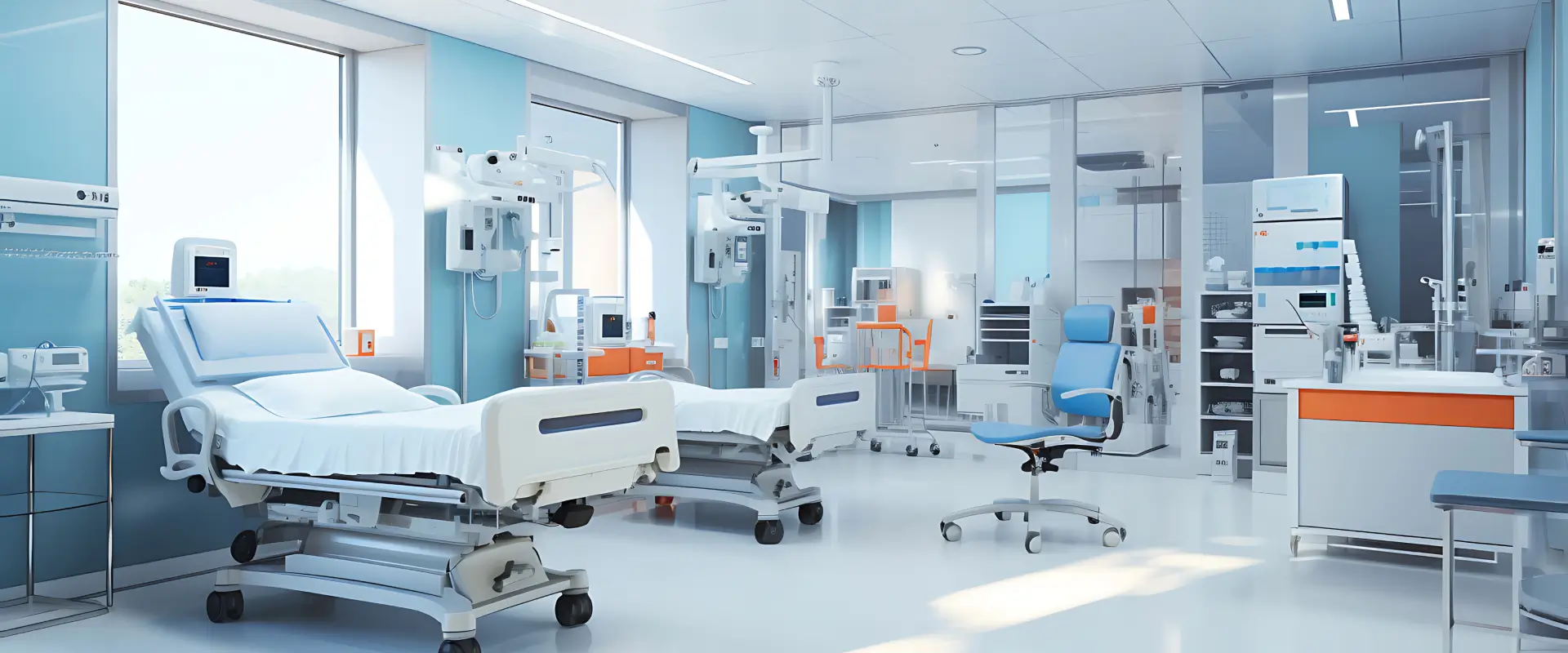
Nicklaus Children’s Hospital Program
Pediatric Critical Care Fellowship Overview
The Pediatric Critical Care Fellowship at Nicklaus Children’s Hospital is a fully accredited three-year program designed to provide extensive training in all facets of pediatric critical care medicine. This program equips fellows with the skills necessary to effectively assess, stabilize, and transport critically ill patients while gaining clinical and technical expertise to offer comprehensive intensive care to various medical and surgical patients, including those recovering from cardiac surgery and trauma cases.
1
Curriculum
The curriculum of the fellowship encompasses an in-depth understanding of relevant basic sciences such as anatomy, physiology, genetics, biochemistry, and pharmacology, applied to pediatric critical care medicine. Enhancing teamwork is emphasized, collaborating with both medical and non-medical services and specialty consultants to foster comprehensive care. Fellows also receive preparation for the Sub-specialty Board Examination and are trained in both clinical and academic roles as Pediatric Intensivists.
1
Goals and Objectives
Fellows are expected to demonstrate competence not only in clinical practice but also in teaching roles involving nurses, medical students, pediatric residents, and other healthcare professionals. Furthermore, fellows are involved in independent research initiatives, addressing ethical concerns within pediatric critical care in conjunction with participation in the Hospital’s Bioethics Committee.
1
Didactic Curriculum
There exists a robust didactic component featuring core lectures, journal clubs, case discussions, and research seminars. Specialized mini-symposia are offered on topics such as ventilator management, ECMO (extracorporeal membrane oxygenation), Apheresis, and biostatistics. Continuous board review courses conducted by the program prepare fellows for their certifying examination. Second and third-year fellows are required to attend these sessions.
1
Research Training
Research is integral to the fellowship. Each fellow commits a minimum of twelve months of dedicated research time while engaging in various research activities throughout multiple clinical rotations. The training includes lectures on foundational research methodologies, study design, and manuscript/grant preparation, enabling fellows to cultivate skills in both translational (bench and animal laboratory) and clinical research.
1
Current Research Opportunities
The Division of Critical Care Medicine at Nicklaus Children’s Hospital actively conducts both basic and clinical research focused on pulmonary critical care. Participation in planning, performance, analysis, and publication of research projects is mandatory, with each fellow required to submit at least one article as the first author to a peer-reviewed journal to fulfill Board certification requirements.
1
Critical Care Transport Experience
The fellowship also includes exposure to critical care transport through the LifeFlight® team, which provides transport for critically ill children from other healthcare facilities. Fellows will experience this aspect of care by functioning as a medical control physician, serving as the “Transport Fellow” while on-call, and participating in related didactic activities. This hands-on experience is vital in enhancing competencies in transport medicine.
1
Application Process
Interested applicants must submit their applications through the ERAS system. Additionally, it is notable that the program supports J-1 and H-1B visas for qualifying international medical graduates, thus providing essential visa sponsorship.
1
Competitiveness and Requirements
The Pediatric Critical Care Fellowship at Nicklaus Children’s Hospital is competitive, welcoming both DOM and IMG candidates. The specific application requirements include having graduated from medical school within a certain timeframe, and maintaining a limit on failed STEP exams, details of which are tailored to ensure a fair selection process.
1
Clinical Competency Committee
The program has established a Clinical Competency Committee (CCC) that plays a crucial role in evaluating fellows’ progress. The CCC consists of at least three core faculty members who assess fellows’ performance data and provide recommendations on promotion, remediation, and overall progress within the fellowship. This committee meets bi-annually to ensure transparency in educational assessments.
1
Director
Coordinators
Program
Training
Quality of Life
Admission
Location
Living in Miami, FL
Miami, FL is a vibrant and diverse city known for its beautiful beaches, rich culture, and bustling nightlife. Here's what you can expect living in Miami:
- Crime Rate and Safety: Miami has areas with varying levels of safety, so it's important to research your neighborhood. Overall, the city has a moderate crime rate.
- Fun Activities: Miami offers a wide range of activities, from water sports and beach days to exploring historic neighborhoods like Little Havana and Wynwood.
- Climate: Miami has a tropical monsoon climate with hot and humid summers and warm winters. Be prepared for frequent rain showers, especially during the summer months.
- Races and Population: Miami is a melting pot of cultures, with a diverse population including a significant Cuban, Haitian, and South American community.
- Education: Miami is home to several universities and colleges, providing educational opportunities for both residents and visitors.
- Cost of Living: The cost of living in Miami can be high, especially when it comes to housing. It's essential to budget accordingly to afford living in the city.
- Proximity to Bigger Cities: Miami is relatively isolated from other major cities. The closest major city is Fort Lauderdale, which is about a 30-40 minute drive away, depending on traffic.
Pros: Diverse culture, beautiful beaches, vibrant nightlife.
Cons: High cost of living, traffic congestion.