
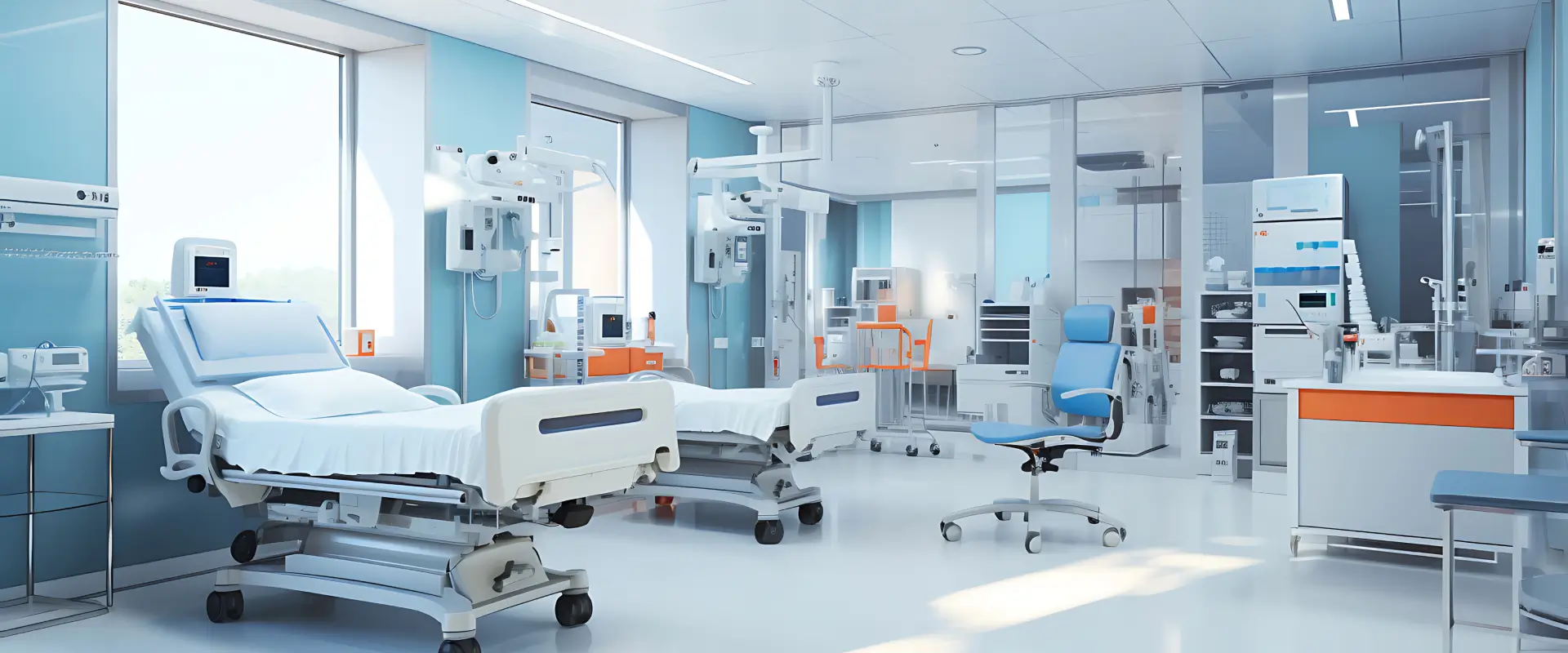
Nicklaus Children’s Hospital Program
Overview of the Pediatric Gastroenterology Program
The Pediatric Gastroenterology Program at Nicklaus Children’sHospital specializes in the treatment of gastrointestinal disordersaffecting infants, children, and adolescents. The program adopts amultidisciplinary approach, ensuring comprehensive care tailored tothe unique needs of each patient and their family. Comprehensiveservices are provided through various centers, including theInflammatory Bowel Disease (IBD) Center and the Eating DisordersProgram.
1
Consultations are available in both English and Spanish,facilitating better communication and understanding for diversefamilies.
1
Curriculum and Training
The curriculum for fellows in the Pediatric GastroenterologyProgram is designed to provide extensive clinical exposure tovarious gastrointestinal disorders. The training includes hands-onexperience in common procedures such as endoscopy, colonoscopy, andnutritional assessments. The program’s fellows benefit from directmentorship from experienced faculty who are specialists in theirrespective fields.
8
Regular multidisciplinary team meetings promote collaborationacross specialties, ensuring a holistic approach to patientcare.
2
Clinical Rotations
Fellows participate in various clinical rotations that cover allaspects of pediatric gastroenterology, including rotations inspecialized clinics such as:
- Inflammatory Bowel Disease Center
- Eating Disorders Program
- Hepatology
- Nutrition Services
Each rotation is structured to provide in-depth exposure toclinical practices while allowing fellows to actively participatein patient management.
4
Research Opportunities
Research is a cornerstone of the Pediatric GastroenterologyProgram. Fellows are encouraged to engage in research activities,often leading projects that focus on innovative treatmentstrategies and advancements in the field. The program collaborateswith various research initiatives, particularly in the realms ofinflammatory bowel disease and pediatric nutritional disorders.
7
Unique Aspects of the Program
The Pediatric Gastroenterology Program at Nicklaus Children’sHospital offers several distinctive features:
- Multidisciplinary Team Approach: The programintegrates various specialists, including pediatric nutritionists,psychologists, and social workers, to provide comprehensivecare.
- Outpatient Services: With multiple outpatientlocations, the program ensures accessible care for children acrossthe Miami area.
- Innovative Therapies: The program employscutting-edge treatment protocols, including the use of newmedications for treating chronic gastrointestinal conditions.
3
The emphasis on comprehensive, family-centered care sets theprogram apart in the landscape of pediatric gastroenterology.
3
Training Sites
The Pediatric Gastroenterology Program operates primarily out ofNicklaus Children’s Hospital in Miami, complemented by variousoutpatient centers across Southern Florida. Key locations forclinical training include:
- Main Hospital Campus: Offers state-of-the-art facilities andcomprehensive medical services.
- Outpatient Centers: Various sites across Miami-Dade, Broward,and Palm Beach Counties ensure extensive community reach.
Fellows will rotate through these sites, gaining a wide range ofexperiences and increasing their ability to manage diverse patientpopulations.
5
Visa Support
The program offers visa sponsorship for eligible internationalmedical graduates seeking to join the fellowship. The types ofvisas available include J-1 and H-1B visa sponsorship, facilitatingthe application process for those qualified candidates.
6
Competitiveness and Application Requirements
Admission into the Pediatric Gastroenterology Program iscompetitive, taking into consideration the overall qualificationsof applicants, including board scores, clinical experience, andletters of recommendation. The program is open to both MD and DOapplicants, as well as international medical graduates,demonstrating its inclusive nature.
8
The program typically expects that applicants have graduatedfrom medical school within a defined period and have not more thanone failed examination on the USMLE Step 1 or Step 2.
8
Web Sources
Director
Coordinators
Program
Training
Quality of Life
Admission
Location
Living in Miami, FL
Miami, FL is a vibrant and diverse city known for its beautiful beaches, rich culture, and bustling nightlife. Here's what you can expect living in Miami:
- Crime Rate and Safety: Miami has areas with varying levels of safety, so it's important to research your neighborhood. Overall, the city has a moderate crime rate.
- Fun Activities: Miami offers a wide range of activities, from water sports and beach days to exploring historic neighborhoods like Little Havana and Wynwood.
- Climate: Miami has a tropical monsoon climate with hot and humid summers and warm winters. Be prepared for frequent rain showers, especially during the summer months.
- Races and Population: Miami is a melting pot of cultures, with a diverse population including a significant Cuban, Haitian, and South American community.
- Education: Miami is home to several universities and colleges, providing educational opportunities for both residents and visitors.
- Cost of Living: The cost of living in Miami can be high, especially when it comes to housing. It's essential to budget accordingly to afford living in the city.
- Proximity to Bigger Cities: Miami is relatively isolated from other major cities. The closest major city is Fort Lauderdale, which is about a 30-40 minute drive away, depending on traffic.
Pros: Diverse culture, beautiful beaches, vibrant nightlife.
Cons: High cost of living, traffic congestion.