
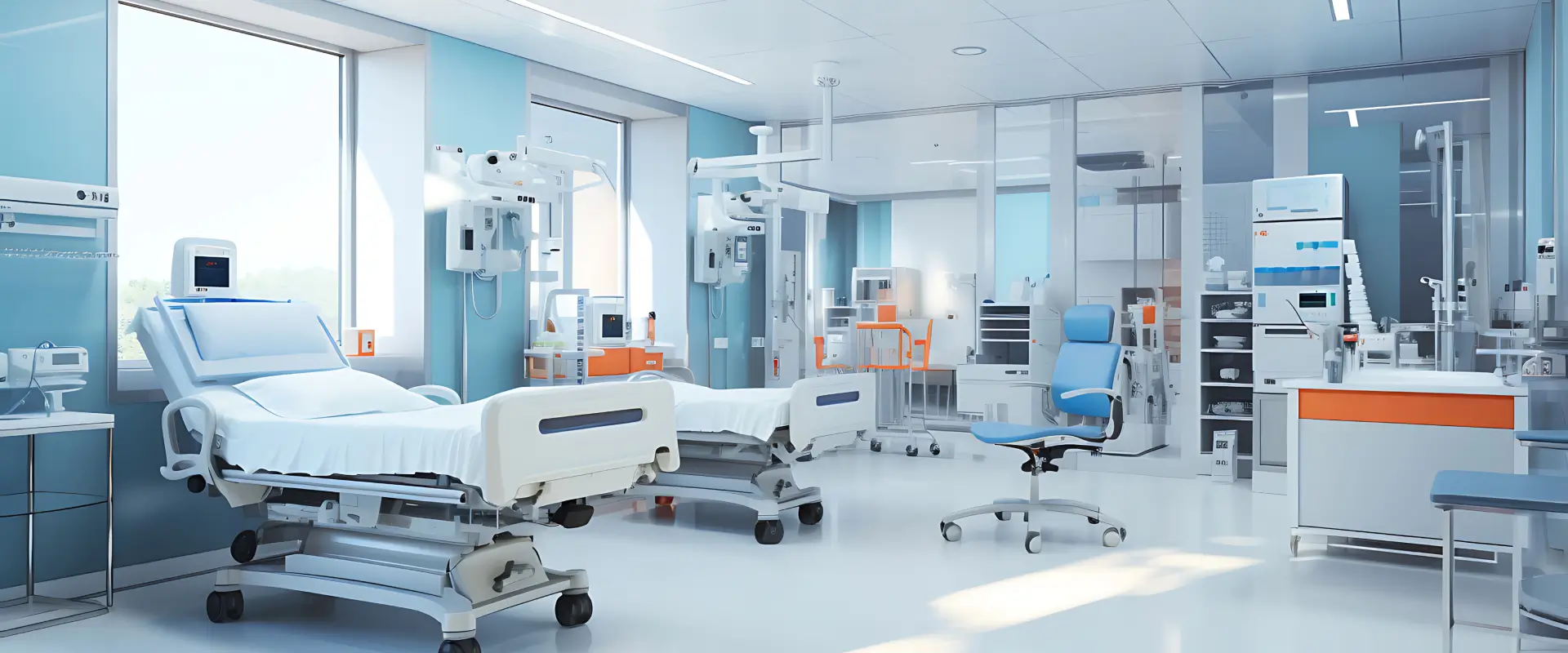
NYU Grossman School of Medicine Program
The Child Neurology Residency program at NYU Grossman School of Medicine offers a comprehensive training experience designed to develop skilled clinical child neurologists. The program, which spans five years, is accredited by the Accreditation Council for Graduate Medical Education (ACGME) and fills three categorical slots annually. Residents interact with diverse patient populations across multiple institutions in Manhattan, providing exposure to a wide variety of clinical conditions. Throughout their training, residents are mentored by a distinguished faculty known for their excellence in both general and subspecialty pediatric neurology.
Curriculum Overview
The residency comprises an initial two years focused on general pediatric training through the Department of Pediatrics, followed by three years dedicated to child and adult neurology. The clinical curriculum encompasses extensive rotations in various subspecialties including neurophysiology, neuropathology, neuroradiology, neurorehabilitation, and more. Training includes a total of six months on the child neurology consultation service, typically divided between the second and third years of residency.
1
Rotations
Residents undergo rotations across five esteemed hospitals: Hassenfeld Children’s Hospital—34th Street, Tisch Hospital, NYU Langone Orthopedic Hospital, NYC Health + Hospitals/Bellevue, and the Manhattan campus of the VA NY Harbor Healthcare System. The first year includes heavy adult neurology rotation, while the following years focus on child neurology services and subspecialty training.
2
Inpatient and Outpatient Experiences
During the first two years, clinical responsibilities include adult inpatient consults and neurological ICU settings. In subsequent years, residents gain hands-on experience in pediatric wards, specialty ICUs, and continuity clinics, allowing for a well-rounded exposure to both common and rare pediatric conditions.
4
Research Opportunities
Research is a fundamental aspect, encouraging residents to engage in both clinical and basic science initiatives. The patient-oriented research curriculum pairs residents with faculty mentors and includes opportunities to present at national conferences. Annual research symposiums further highlight resident achievements, fostering a collaborative academic environment.
3
Electives
Residents benefit from a range of elective rotations during their second and third years, allowing for personalized education in areas such as pediatric epilepsy, neurogenetics, and developmental pediatrics. This flexibility ensures that residents can tailor their training to fit their career interests.
3
Visa Support
NYU Grossman School of Medicine does not sponsor H-1B visa applications for house staff, residents, or fellows. However, J-1 visa sponsorship is available through the Educational Commission for Foreign Medical Graduates (ECFMG), facilitating international participation in the program.
2
Application Process
Applicants must submit their credentials through the Electronic Residency Application Service (ERAS), including USMLE Step 1 scores, a Medical Student Performance Evaluation (MSPE), transcripts, and letters of recommendation. The program is competitive, emphasizing both academic excellence and diversity among its candidates.
2
Competitiveness and Special Requirements
The Child Neurology Residency at NYU Grossman School of Medicine is recognized as a competitive program. There are no specific restrictions on the year of graduation or maximum failed Step examinations mentioned, making the program accessible to a broad range of applicants, including those with diverse educational backgrounds.
2
Unique Aspects
The program promotes a culture of inclusion, where diverse backgrounds and perspectives enrich the educational experience. Initiatives for resident wellness, formal mentoring programs, and social events play a significant role in shaping a supportive training environment. The interdisciplinary collaboration facilitated across various hospitals amplifies the residents’ learning and community involvement.
1
Web Sources
Director
Coordinators
Program
Training
Quality of Life
Admission
Match History
Location
Living in New York, NY
- Crime Rate and Safety: New York City has improved its safety over the years, but like any big city, it does have some crime. However, most areas where medical residents live and work are considered safe.
- Fun Activities: New York City is a hub of culture, entertainment, and dining. From Broadway shows to world-class museums and iconic landmarks like Central Park and the Statue of Liberty, there's always something to do.
- Climate: New York City experiences all four seasons. Winters can be cold and snowy, while summers are warm and humid. Spring and fall offer mild temperatures.
- Races and Population: New York City is one of the most diverse cities in the world, with a large population of various races and ethnicities.
- Education: New York City is home to prestigious universities and medical centers, offering ample opportunities for learning and networking.
- Cost of Living: The cost of living in New York City is high, particularly for housing. Medical residents may need to budget carefully to afford living in the city.
- Nearby Cities: Other major cities like Philadelphia and Boston are within a few hours' drive of New York City. Philadelphia is about 1.5 to 2 hours away by car, while Boston is around 3.5 to 4 hours away.
- Pros: Diverse culture, countless entertainment options, easy access to top medical facilities.
- Cons: High cost of living, crowded and fast-paced environment.