
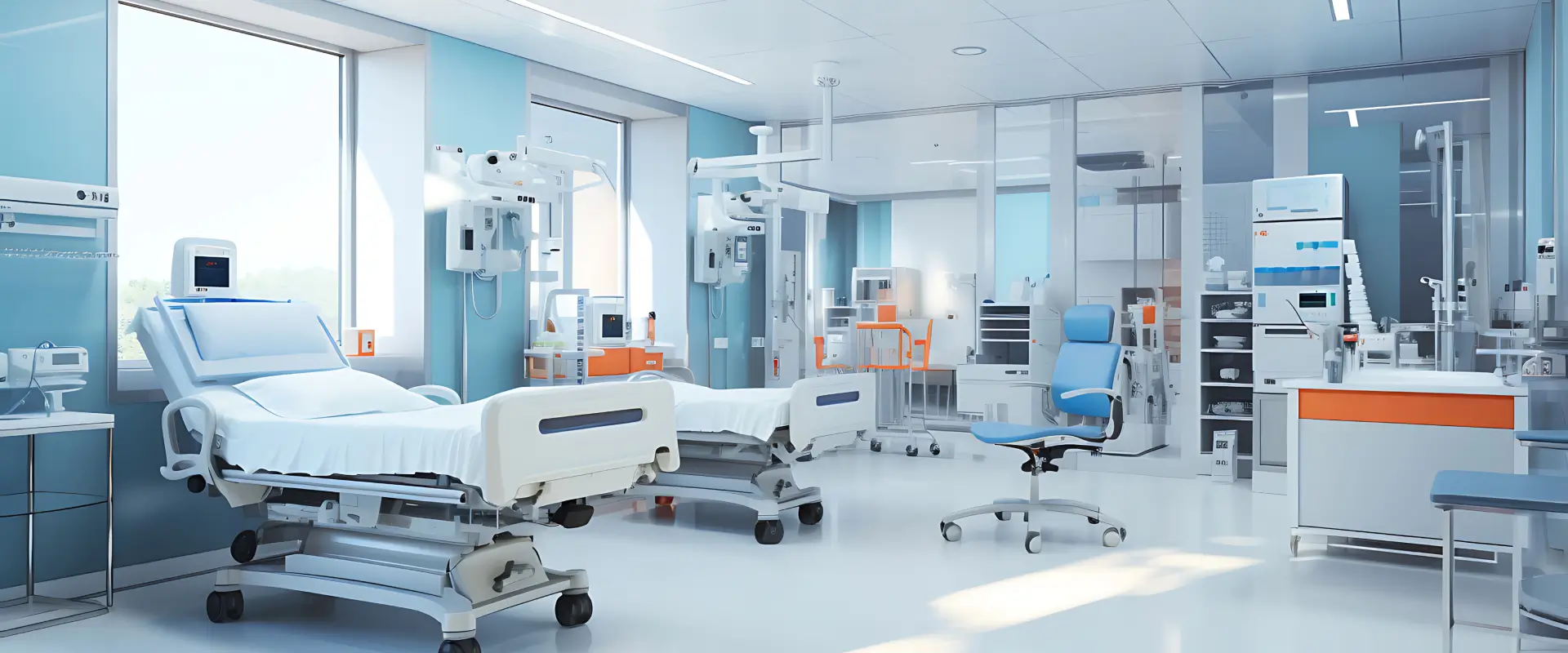
OhioHealth/Doctors Hospital Program
Orthopedic Surgery Residency at OhioHealth Doctors Hospital
The Orthopedic Surgery Residency at OhioHealth Doctors Hospital is a robust five-year, ACGME-accredited program designed to cultivate leaders in the field of orthopedic surgical medicine. Each year, five residents are accepted into the program, which offers a broad array of training environments, from community hospitals to busy academic centers renowned for their specialties in both pediatric and adult orthopedics. The program emphasizes the significance of diversity and inclusion in healthcare, believing that varied perspectives enhance learning and patient care, allowing residents to better serve the community 1.
Program Structure
The residency curriculum features a comprehensive array of rotations and educational components. Residents engage in six rotations per year with two-month block rotations starting from post-graduate year (PGY) 2, along with 13 four-week rotations designated for interns. The program employs a diverse rotation schedule that includes:
- Trauma – six months at a level 1 trauma center
- Pediatrics – seven months at a nationally renowned children’s hospital
- Spine – two months
- Foot and Ankle – two months
- Tumor – two months at a leading academic research medical center
- Sports/Shoulder and Elbow – three months
- Electives – two months in both PGY 4 and PGY 5
The mentorship and supervised training model enables residents to gain skills across various surgical procedures, working closely with faculty in a supportive environment 1.
Rotation Opportunities
OhioHealth Doctors Hospital serves as the primary training site for residents, providing a supportive community hospital setting that caters to diverse populations, including underserved communities. Training also occurs at several partner institutions:
- OhioHealth Grant Medical Center – A primary site for trauma and subspecialty training
- OhioHealth Riverside Methodist Hospital – A large teaching hospital recognized nationally
- The Ohio State University Wexner Medical Center – Offers exceptional multidisciplinary training experiences
- Nationwide Children’s Hospital – A leading pediatric trauma center
These sites are conveniently located in the Columbus area, allowing residents to gain valuable clinical experiences without extensive traveling 1.
Academic Resources and Research Support
The residency offers comprehensive resources to enhance both clinical training and research capabilities. Facilities include cutting-edge surgical suites, a 24/7 operational medical library, and simulation labs equipped for hands-on training. The program encourages thorough research involvement, allowing residents to participate in meaningful projects supported by the OhioHealth Research and Innovation Institute. This includes participation in a Journal Club and access to numerous academic databases 1.
Osteopathic Integration
Recognizing the principles of both allopathic and osteopathic medicine, the residency program integrates these practices in its curriculum. The newly established OhioHealth Doctors Hospital Heritage Center for Osteopathic Medical Education serves as a central hub for specialized training, research, and patient simulation. This facility includes advanced training resources that further support resident education 1.
Visa Support and Competitiveness
The program is open to international medical graduates (IMGs) and provides visa sponsorship for J-1 and H-1B visas, making it accessible to a broader range of applicants. The competitiveness of the program is noted for its balanced approach, welcoming applications from both DO and IMG candidates, indicating an inclusive atmosphere 1.
Application Requirements
Selection for the residency program is based on a comprehensive review of the application, including recommendation letters, interviews, and evaluation by the selection committee chaired by the program director. Certain application requirements may pertain to graduation year and performance on standardized examinations; however, precise details are typically outlined in the full application procedures 1.
Resident Information
The current cohort consists of dedicated residents at various training levels, each with specific medical interests and future plans post-residency. This diversity not only enriches the training experiences but also fosters a collaborative learning environment 1.
Web Sources
Director
Coordinators
Program
Training
Quality of Life
Admission
Match History
Location
Living in Columbus, OH
- Crime Rate and Safety: Columbus, OH, has a moderate crime rate but like any city, certain neighborhoods may have higher crime rates than others. It's recommended to research specific areas for safety.
- Fun Activities: Columbus offers a vibrant arts and culture scene, numerous parks, museums, shopping districts, and various dining options. The city is also home to professional sports teams and hosts several annual festivals and events.
- Climate: Columbus experiences all four seasons, with hot summers, cold winters, and moderate spring and fall seasons. Be prepared for both snow in winter and high humidity in summer.
- Races and Population: Columbus is a diverse city with a mix of different races and cultures. It is also the most populous city in Ohio and the 14th most populated city in the U.S.
- Education: Columbus is home to several higher education institutions, including The Ohio State University, known for its medical programs and research opportunities.
- Cost of Living: The cost of living in Columbus is lower than the national average, making it an affordable city to live in compared to other major metropolitan areas.
- Proximity to Other Cities: Columbus is within driving distance to other major cities like Cincinnati (about 1.5 hours), Cleveland (about 2 hours), and Pittsburgh (about 3 hours).
- Pros: Affordable cost of living, diverse cultural offerings, strong education opportunities, and proximity to other major cities.
- Cons: Some areas may have higher crime rates, weather can be extreme in winter and summer.