
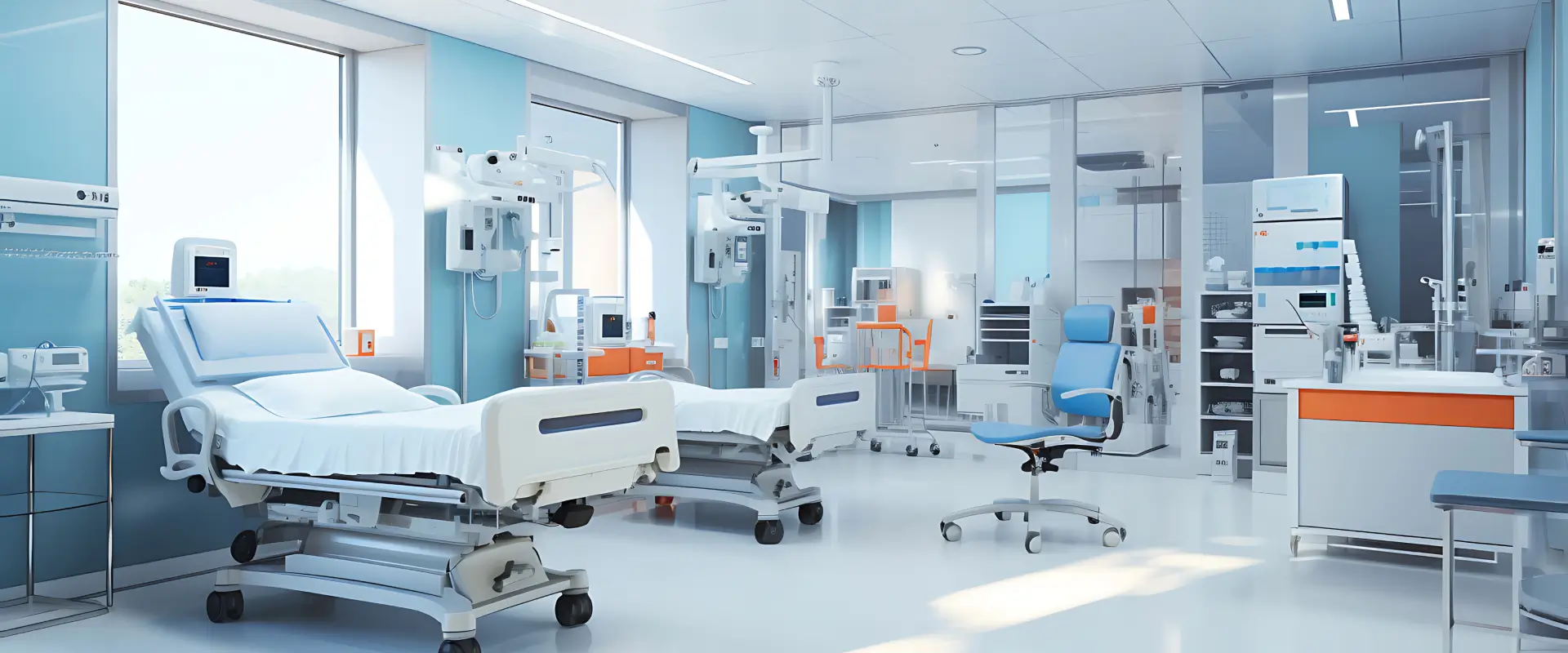
Pennsylvania Hospital of the University of Pennsylvania Health System Program
The Orthopaedic Sports Medicine Program at Pennsylvania Hospital, part of the University of Pennsylvania Health System, is designed to provide comprehensive orthopedic care specifically tailored for athletes and active individuals. This program emphasizes a collaborative and multidisciplinary approach to sports medicine, focusing on both the surgical and non-surgical management of sports-related injuries.
Program Overview
The Sports Medicine Program offers an array of services aimed at diagnosing and treating various musculoskeletal conditions. Its team includes expert orthopedic physicians who utilize evidence-based practices to develop personalized treatment plans for each individual. The program caters to a wide spectrum of sporting and recreational activities and is dedicated to facilitating a quick and efficient recovery for its patients, allowing them to return to their desired physical activities safely.
1
Conditions Treated
The program is equipped to handle conditions affecting athletes of all types, with a specific focus on injuries common in sports settings. Some of the notable conditions treated include:
- Achilles injuries
- ACL injuries
- Rotator cuff injuries
- Meniscus injuries
- Various ligament injuries (MCL, PCL, UCL, and LCL)
- Arthritis and tendonitis
- Fractures and sprains
This comprehensive treatment approach is crucial for ensuring that athletes at any level receive the specialized care they need for optimal recovery.
1
Treatments and Services Offered
The Orthopaedic Sports Medicine Program provides access to innovative treatment methods, including:
- Arthroscopic surgery
- Cartilage restoration techniques
- Knee ligament reconstructions
- Advanced pain management protocols
The focus on cutting-edge treatment options enables the program to address injuries with minimal invasiveness while optimizing recovery times for patients.
1
Research and Innovation
The program is deeply involved in ongoing research aimed at improving treatment modalities for sports injuries. This focus on innovation ensures that the team stays updated with the latest advancements in the field, striving to translate this knowledge into clinical practice for patient benefit. This unique aspect of the program enhances the quality of care with access to novel treatments supported by rigorous research.
1
Training Sites
The Orthopaedic Sports Medicine Program primarily operates out of Pennsylvania Hospital, a facility renowned for its excellence in orthopedic care. This site is well-equipped, featuring state-of-the-art technology necessary for both inpatient and outpatient services, and provides a supportive environment for training and education.
1
Visa Support and Application Requirements
The program supports international medical graduates (IMGs) by offering visa sponsorship, making it accessible to a diverse range of applicants. It typically can sponsor J-1 and H-1B visa types, allowing international physicians to participate in the program. For applicants, certain competitiveness factors are relevant. Generally, candidates with a robust academic background and strong clinical skills are favored. However, the program aims to be inclusive of diverse applicants, including DOs and IMGs.
1
Competitiveness and Application Criteria
The Orthopaedic Sports Medicine Program is regarded as competitive, attracting a diverse pool of applicants. While specific application requirements can vary, candidates generally need to have graduated from medical school within a specific timeframe and might be required to adhere to guidelines regarding failed examinations. Prospective applicants may need to demonstrate proficiency in the subjects required for admission, such as surgery and sports medicine.
1
Unique Aspects of the Program
Some of the distinctive features of the program include:
- The option for patients to receive second opinions within a short time frame
- A focus on individualized treatment plans that ensure continuity of care from diagnosis through recovery
- Access to multiple specialists, including physiatrists and physical therapists, within a single program
This holistic and patient-centered approach underscores the commitment of the Sports Medicine Program to optimize health outcomes and enhance performance for athletes across various levels.
1
Web Sources
Director
Coordinators
Program
Training
Quality of Life
Admission
Location
Living in Philadelphia, PA:
Philadelphia, PA is a vibrant city with a rich historical background and a diverse cultural scene. Here are some aspects to consider when living in Philadelphia for your medical residency program:
- Crime Rate and Safety: Philadelphia has some high-crime neighborhoods, so it's essential to be aware of your surroundings. However, the city has been improving its safety measures in recent years.
- Fun Activities: Philadelphia offers a wide range of activities, from visiting historical sites like Independence Hall to enjoying the arts and culture in museums and theaters.
- Climate: Philadelphia experiences all four seasons, with hot summers and cold winters. Be prepared for snowfall during the winter months.
- Races and Population: Philadelphia is a diverse city with a mix of racial and ethnic groups, making it a welcoming and inclusive place to live.
- Education: Philadelphia is home to several universities and colleges, offering opportunities for continued education and research.
- Cost of Living: The cost of living in Philadelphia is moderate compared to other major cities on the East Coast. Housing costs vary depending on the neighborhood.
- Proximity to Other Cities: Philadelphia is within driving distance to cities like New York City (around 2 hours) and Washington, D.C. (around 2.5 hours), making it easy to explore other urban centers.
- Pros: Rich history, diverse culture, strong healthcare institutions, vibrant arts scene.
- Cons: Some neighborhoods have higher crime rates, winters can be cold and snowy.