
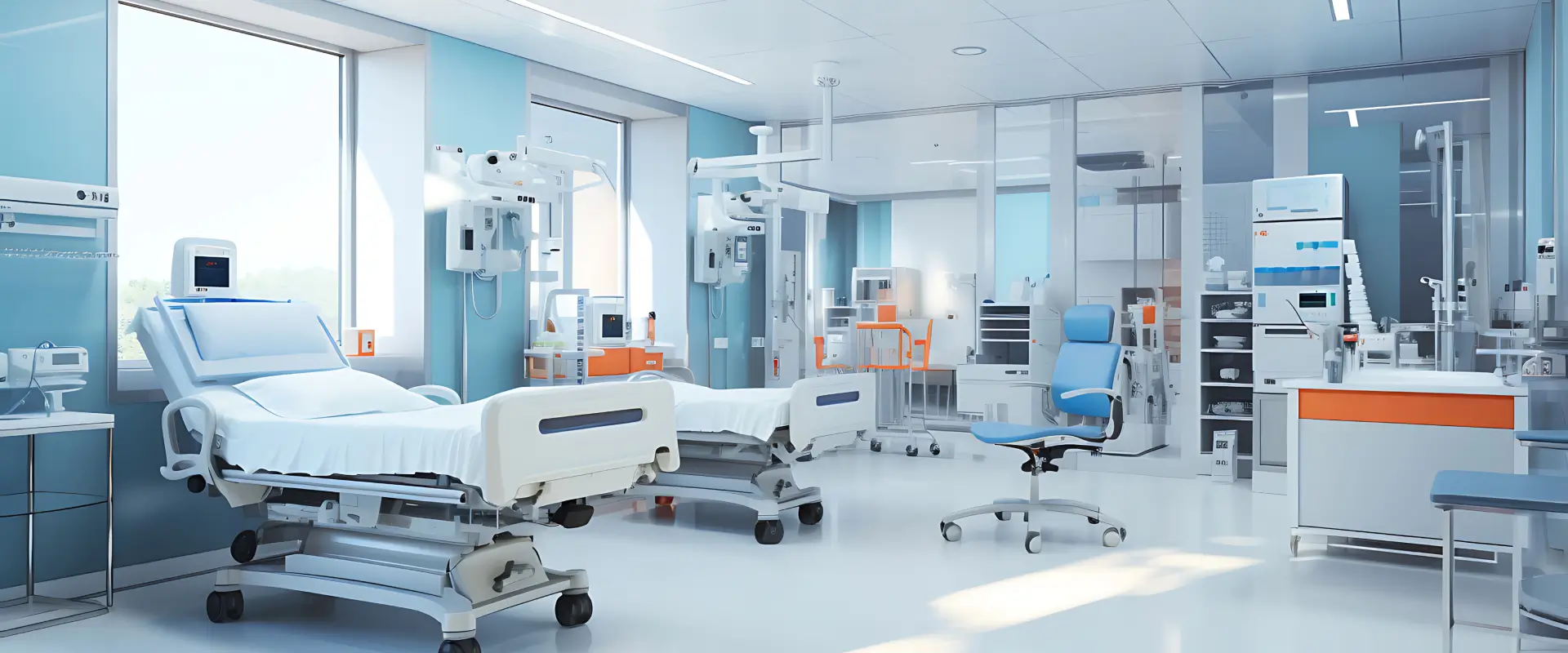
Richmond University Medical Center Program
The Richmond University Medical Center Diagnostic Radiology Residency is a fully accredited ACGME four-year training program based at Richmond University Medical Center (RUMC), which serves as a large Level I Trauma Center and a major Stroke Center for Staten Island. The program comprises a close-knit team of Board-Certified, fellowship-trained attending radiologists and is designed for individuals looking to specialize in diagnostic radiology.
Program Structure
The residency program accommodates two residents per year, totaling eight residents, who receive training across a diverse range of diagnostic and therapeutic imaging procedures. Training is conducted at two primary locations: the main hospital campus and the adjacent outpatient imaging center known as Regional Radiology. This structure allows for comprehensive exposure to varied imaging modalities and techniques.
Curriculum and Rotations
Residents participate in core rotations that cover essential areas of diagnostic radiology including:
- Emergency Room Radiology
- Gastrointestinal and Uroradiology Fluoroscopy
- Pediatric Radiology
- Cardiovascular and Interventional Radiology
- Neuroradiology
- Body Imaging
Additional rotations provide experience in nuclear medicine, musculoskeletal radiology, mammography, ultrasound, thoracic imaging, and body MRI. The program incorporates a night float system during the week along with 24-hour weekend call responsibilities. First-year residents initially perform “buddy calls” until they progress to their second year, ensuring that they have adequate support through attending backup, senior resident backup, and Nighthawk teleradiology.
Research and Educational Environment
Residents are encouraged to engage in research activities, with stipends available for attending various conferences, including a fully paid AIRP (formerly AFIP) Conference. The educational experience is enriched by lectures conducted by program faculty and outside specialists, allowing residents to prepare effectively for their board examinations.
The small number of residents fosters a congenial working atmosphere, facilitating collaboration and support among peers and attendings. Socio-culturally diverse commuting from Manhattan, Brooklyn, Staten Island, Queens, Long Island, and New Jersey adds to the rich training experience.
Training Facilities and Equipment
Residents at RUMC gain access to advanced imaging technologies, including:
- 64 and 16-slice GE and Siemens CT scanners
- Siemens 1.5 Tesla MRI systems
- Digital mammography and interventional radiology suite
- Numerous fluoroscopy systems and nuclear SPECT cameras
- A state-of-the-art PET/CT suite
Visa Support and Competitiveness
The residency program is considered competitive, welcoming applications from both U.S.-trained graduates and international medical graduates (IMGs). The program offers visa sponsorship for J-1 visas, accommodating candidates who require them for their residency training.
Application Requirements
Applicants are required to hold a prior ACGME-accredited internship, with a maximum of three attempts to pass the USMLE Step 1 and Step 2 exams being considered. Those who have graduated within the past five years are preferred, and all applications must be submitted through the Electronic Residency Application Service (ERAS).
Salary and Benefits
The competitive salary structure for the residency is as follows:
- PGY 1: $64,904.10
- PGY 2: $70,412.50
- PGY 3: $76,148.83
- PGY 4: $78,215.74
Moreover, residents receive four weeks of vacation annually, meal allowances, and stipends for educational resources, including uniforms and books. On-campus housing is available, facilitating easy access to the hospital.
Resident Life
The program emphasizes creating a supportive environment, fostering strong relationships among residents and attendings, and cultivating a collaborative spirit. Regular social activities further enhance camaraderie among the residency cohort.
Conclusion
With a comprehensive curriculum, state-of-the-art facilities, and a community-focused approach, the Richmond University Medical Center’s Diagnostic Radiology Residency prepares residents for successful careers in radiology.
Web Sources
- Radiology - Richmond University Medical Center
- Internal Medicine - Richmond University Medical Center
- OB/GYN - Richmond University Medical Center
- Pediatrics - Richmond University Medical Center
- Richmond University-sponsored - Richmond University Medical Center
- Psychiatry - Richmond University Medical Center
- Podiatry - Richmond University Medical Center
Director
Coordinators
Program
Training
Quality of Life
Admission
Match History
Location
Living in Jonesboro, AR
- Crime Rate and Safety: Jonesboro has a moderate crime rate with some safer neighborhoods. It's always recommended to research specific areas before moving.
- Fun Activities: Jonesboro offers various recreational opportunities including parks, museums, sports events, and local festivals.
- Climate: Jonesboro has a humid subtropical climate with hot summers and mild winters.
- Races and Population: The population of Jonesboro is diverse, with a mix of races and ethnicities.
- Education: Jonesboro is home to Arkansas State University, providing educational and cultural opportunities.
- Cost of Living: The cost of living in Jonesboro is lower than the national average, making it an affordable place to live.
- Proximity to Larger Cities: Memphis, TN is approximately an hour drive away from Jonesboro. Memphis offers a wide range of cultural, dining, and entertainment options.
- Pros: Affordable cost of living, diverse population, opportunities for outdoor activities.
- Cons: Some areas with higher crime rates, limited public transportation options.