
Sidney Kimmel Medical College at Thomas Jefferson University/TJUH Program
Program Overview
The Sidney Kimmel Medical College at Thomas Jefferson University offers a unique Transplant Hepatology Fellowship program designed to provide comprehensive training in the management of liver transplant candidates and recipients. The program focuses on training clinicians in both clinical care and transplantation science through a robust curriculum and hands-on experience.
Curriculum and Rotations
The fellowship is structured to ensure fellows acquire critical skills necessary for advanced practice in transplant hepatology. Fellows engage in a variety of clinical rotations that include outpatient clinics, inpatient transplant wards, and new consult services. These rotations provide exposure to the full spectrum of liver diseases, including cirrhosis, hepatocellular carcinoma, and complications associated with liver transplantation.
The training encompasses multidisciplinary care, where fellows work with hepatologists, surgeons, and transplant coordinators. The program promotes an interactive learning environment that encourages fellows to participate in rounds, case discussions, and grand rounds, further enhancing their clinical reasoning and decision-making skills.
Research Opportunities
Research is a critical component of the fellowship. The program encourages fellows to engage in clinical and translational research projects. Fellows are expected to complete a scholarly research project over the course of their training, which may involve basic science studies, clinical trials, and outcomes research related to liver transplantation. Mentorship by faculty members who have substantial experience in transplant research is provided to guide fellows through the research process.
Training Sites
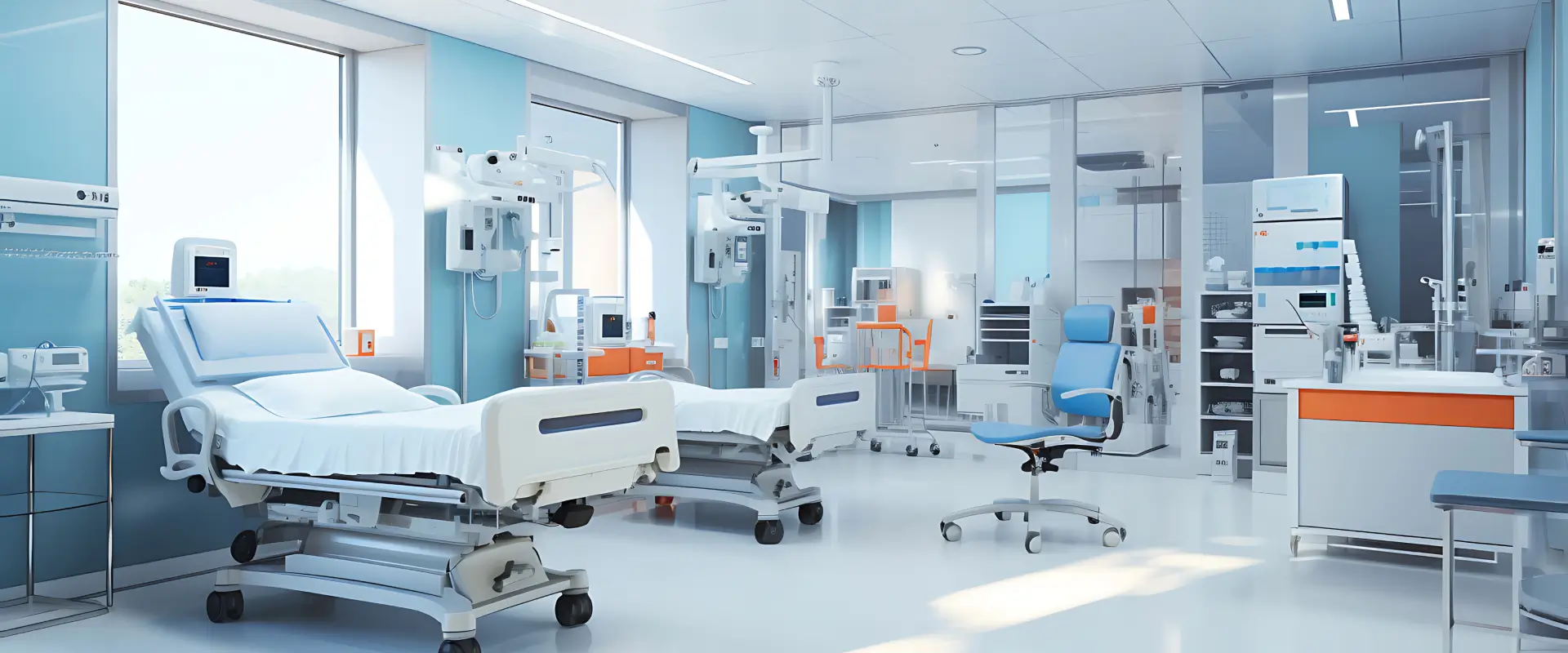
The primary training site for the fellowship is Thomas Jefferson University Hospital, a key provider of transplant services in Philadelphia. With its state-of-the-art facilities and technology, the hospital offers fellows a comprehensive setting for learning and patient care. Additionally, fellows may rotate through community-based settings and other affiliated hospitals that provide a diverse patient population and unique case presentations.
Diversity and Inclusion
The program emphasizes the importance of diversity and strives to create an inclusive atmosphere for all fellows. It acknowledges that diverse backgrounds and experiences enhance the learning environment and improve patient care. Ongoing efforts to foster diversity include recruitment initiatives, cultural competency training, and outreach programs aimed at underserved communities.
Application Process
Applying to the Transplant Hepatology Fellowship requires submission through the Electronic Residency Application Service (ERAS). Candidates must provide a comprehensive application that includes a personal statement, three letters of recommendation, and evidence of clinical experience in hepatology or medical specialty. The fellowship is highly competitive, and preference is given to those with a strong background in Internal Medicine or Gastroenterology.
Visa Sponsorship
The program supports J-1 and H-1B visa applications, making it accessible to both international medical graduates (IMGs) and U.S. graduates. The program is particularly IMG-friendly and encourages applications from diverse candidates. While there are no strict cut-offs for USMLE scores, applicants are generally expected to demonstrate strong performance in their examinations.
Wellness Initiatives
Recognizing the rigorous nature of fellowship training, the program prioritizes wellness and provides access to various resources aimed at promoting work-life balance. Initiatives include regular check-ins, wellness weeks, and support committees dedicated to addressing resident concerns regarding stress and burnout.
Web Sources
Director
Coordinators
Program
Training
Quality of Life
Admission
Location
Living in Philadelphia, PA:
Philadelphia, PA is a vibrant city with a rich historical background and a diverse cultural scene. Here are some aspects to consider when living in Philadelphia for your medical residency program:
- Crime Rate and Safety: Philadelphia has some high-crime neighborhoods, so it's essential to be aware of your surroundings. However, the city has been improving its safety measures in recent years.
- Fun Activities: Philadelphia offers a wide range of activities, from visiting historical sites like Independence Hall to enjoying the arts and culture in museums and theaters.
- Climate: Philadelphia experiences all four seasons, with hot summers and cold winters. Be prepared for snowfall during the winter months.
- Races and Population: Philadelphia is a diverse city with a mix of racial and ethnic groups, making it a welcoming and inclusive place to live.
- Education: Philadelphia is home to several universities and colleges, offering opportunities for continued education and research.
- Cost of Living: The cost of living in Philadelphia is moderate compared to other major cities on the East Coast. Housing costs vary depending on the neighborhood.
- Proximity to Other Cities: Philadelphia is within driving distance to cities like New York City (around 2 hours) and Washington, D.C. (around 2.5 hours), making it easy to explore other urban centers.
- Pros: Rich history, diverse culture, strong healthcare institutions, vibrant arts scene.
- Cons: Some neighborhoods have higher crime rates, winters can be cold and snowy.