
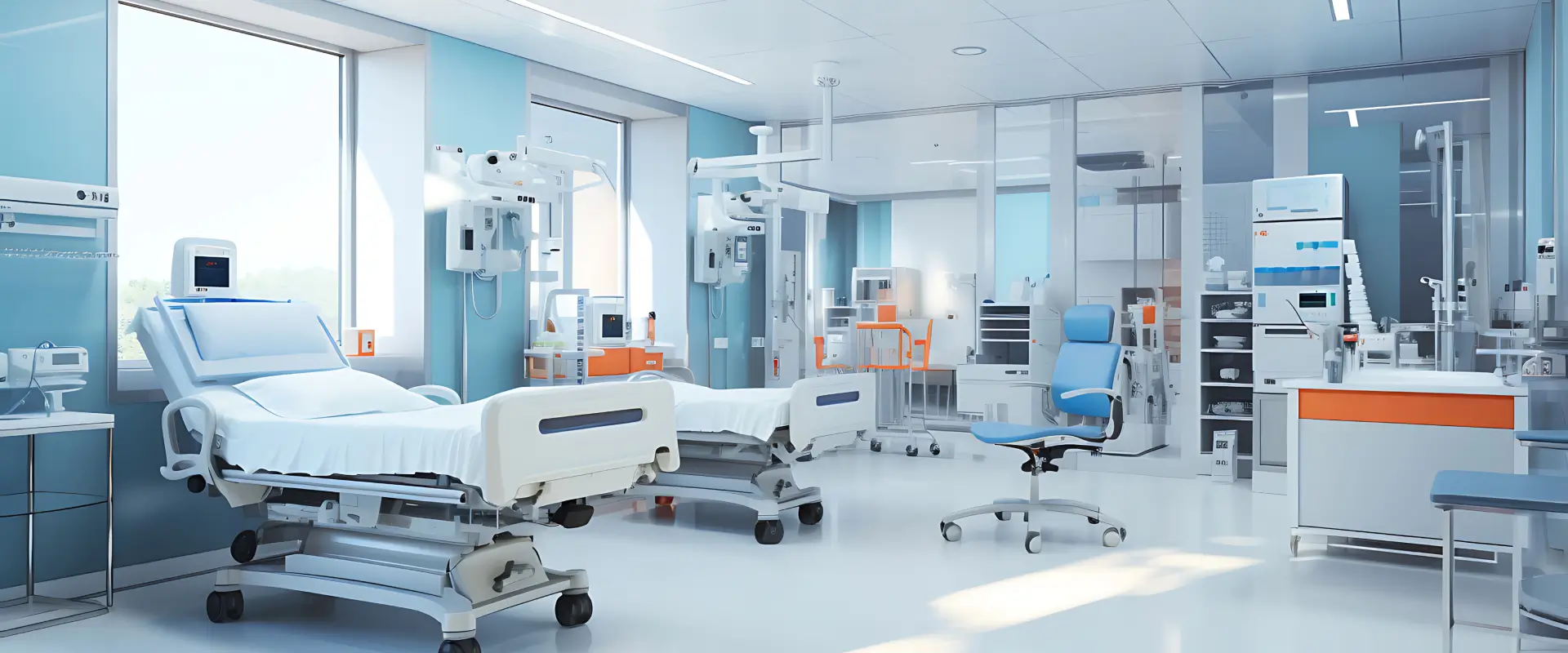
Southern Illinois University Program
Southern Illinois University (SIU) offers a comprehensive Diagnostic Radiology Residency program structured to cultivate proficient and adept radiologists equipped for diverse career paths, including fellowships, private practice, and academia. The program spans five years, commencing with an introductory year predominantly dedicated to Internal Medicine, followed by four years focused in the radiology field.1
Curriculum Overview
The curriculum of the SIU Diagnostic Radiology Residency is meticulously crafted to encompass the essential competencies across various subspecialties in radiology. The program employs a competency-based framework with clearly delineated objectives for each rotation within the program.8
Training Structure
Residents undertake an orientation block prior to diving into month-long rotations across specialties, which include:
- Chest
- Bone
- Pediatric Radiology
- Ultrasound
- Body Computed Tomography (CT)
- Neuroradiology
- Nuclear Medicine
Senior residents have opportunities to tailor their experiences through electives, including Interventional Radiology, Body MRI, and Maternal-Fetal Medicine imaging rotations along with participation in educational sessions designed around the ABR core curriculum.9 Practical skills develop over time, with residents engaging in diagnostic procedures, interpretation, and integration of imaging techniques into patient care.
Research Opportunities
Each resident is encouraged to undertake at least one research project, presenting findings at the Annual Academic Radiology Symposium.7 Additionally, the SIU Center for Clinical Research provides support and resources to enhance research education during resident conferences.
Training Sites
The residency program is conducted primarily at two teaching hospitals: Memorial Medical Center and HSHS St. John’s Hospital. Both institutions are designated as Level 1 Trauma Centers and provide extensive facilities for varied diagnostic procedures.2
Memorial Medical Center
With 520 licensed beds, Memorial Health has a robust annual imaging volume, exceeding 300,000 studies. This facility offers state-of-the-art technology, including PET/CT, MRI, and several diagnostic imaging modalities. Furthermore, it features interdisciplinary collaboration, emphasizing education and sophisticated patient care.11
HSHS St. John’s Hospital
This facility serves specific pediatric and critical care needs while functioning as a substantial magnet for educational endeavors in radiology. Its capabilities encompass several advanced imaging technologies, ensuring residents gain substantial practical experience.11
Unique Aspects of the Program
SIU’s program distinguishes itself through its commitment to a hybrid training model, blending academic rigor with a private practice setting. The program stands out in offering an Early Specialization in Interventional Radiology (ESIR) track for motivated residents, promoting enhanced procedural capability and clinical competence.6
Diversity and Inclusion
SIU is committed to fostering an inclusive and diverse educational environment. The residency application review process emphasizes holistic evaluation, focusing on professionalism, character, and individual merit.10
Visa Support
The program offers visa sponsorship for international medical graduates (IMGs). Typically, it provides support for J-1 visas, facilitating residency training for eligible candidates from outside the United States, fostering inclusivity and diversity in the residency cohort.3
Application Process
To apply, prospective residents must fulfill specific requirements, including a completed ERAS application, three letters of recommendation, and standardized exam scores (USMLE or COMLEX). Applications undergo review upon completion, with an emphasis on securing a comprehensive and competitive applicant pool.12 The program is known for being competitive, welcoming DO and IMG candidates, while ensuring equal consideration regardless of the candidate’s background.
The residency also mandates certain academic milestones, including a maximum of one failed USMLE/COMLEX STEP score. All applications are meticulously considered based on individual qualifications and experience.
Web Sources
- Diagnosis Radiology Residency Overview
- About Academic Departments
- Diversity and Inclusion Initiatives
- Research Education in Radiology
- Resident Benefits Overview
- Early Specialization in Interventional Radiology
- Research Opportunities within the Program
- Diagnostic Radiology Rotations
- Program Application Details
- Faculty and Administration
- Memorial Health Overview
- How to Apply for the Program
Director
Coordinators
Program
Training
Quality of Life
Admission
Match History
Location
Living in Springfield, IL
- Crime Rate and Safety: Springfield has a moderate crime rate, with a focus on property crimes. The city also has safe neighborhoods, but it's essential to be aware of your surroundings.
- Fun Activities: Springfield is known for its historical sites, including the Abraham Lincoln Presidential Library and Museum. Outdoor enthusiasts can enjoy parks and walking trails.
- Climate: Springfield experiences four distinct seasons, with warm summers and cold winters. Be prepared for snowfall during the winter months.
- Races and Population: Springfield has a diverse population, with a mix of Caucasian, African American, Hispanic, and Asian residents.
- Education: Springfield offers various educational opportunities, including public schools, private schools, and higher education institutions like the University of Illinois Springfield.
- Cost of Living: The cost of living in Springfield is generally lower than the national average, making it an affordable place to live.
- Nearby Big Cities: Chicago is about 200 miles north of Springfield, which is approximately a 3.5-hour drive. Chicago offers a vibrant city life with cultural attractions and dining options.
- Pros: Affordable cost of living, historical significance, diverse population.
- Cons: Moderate crime rate, extreme weather conditions during winter.