
SUNY Downstate Health Sciences University Program
The Pediatric Residency Program at SUNY Downstate Health Sciences University is dedicated to training the next generation of pediatricians through an extensive curriculum and various clinical experiences. Situated in Brooklyn, the program leverages the rich diversity of the region, serving a complex patient population, which includes recent immigrants across various socioeconomic backgrounds. This exposure to varied disease processes provides residents with a multifaceted view of pediatric care.
Program Structure
The residency program consists of a three-year training continuum, with opportunities to engage deeply in clinical care across multiple hospital sites, including University Hospital at Downstate, Kings County Hospital Center, Coney Island Hospital, and Memorial Sloan-Kettering Cancer Center. Each site contributes unique experiences and specialties, ensuring a wide-ranging clinical exposure for the residents.
1
Curriculum Overview
The curriculum integrates rigorous clinical training with a comprehensive didactics program, structured into thirteen 4-week block rotations per academic year. Residents begin their journey in general pediatrics, gradually encountering more complex cases as they advance through the program. This structure emphasizes gradual increases in responsibility, allowing residents to manage patients independently under faculty supervision.
2
Clinical Rotations
Residents engage in multiple rotations encompassing general pediatric inpatient care, emergency pediatrics, outpatient continuity clinics, and subspecialty electives, including pediatrics critical care, neonatology, and pediatric surgery. Each core rotation offers hands-on clinical responsibilities, from conducting histories and physical examinations to making diagnostic and therapeutic decisions.
3
Unique Training Experiences
The training exposes residents to critically ill patients in highly staffed intensive care units at both Kings County Hospital and University Hospital at Downstate. In addition to traditional clinical training, residents participate in designated scholarship blocks, focusing on research, quality improvement initiatives, and academic presentations, honing their skills not only as clinicians but also as scholars and teachers.
4
Research Opportunities
Research is an integral part of the residency program, offering residents opportunities to engage in scholarly activities across various pediatric subspecialties. The department has substantial funding, and residents are encouraged to develop their own research projects or collaborate with faculty on ongoing studies, benefiting from a supportive academic environment.
5
Application and Competitiveness
The residency program is highly competitive and encourages applications from both U.S. graduates and International Medical Graduates (IMGs). Prospective candidates are expected to complete the Electronic Residency Application System (ERAS) application, including the USMLE or COMLEX transcripts and letters of recommendation from physicians familiar with their clinical skills. Notably, the program can sponsor J-1 and H-1B visas for eligible applicants.
67
Facilities and Training Sites
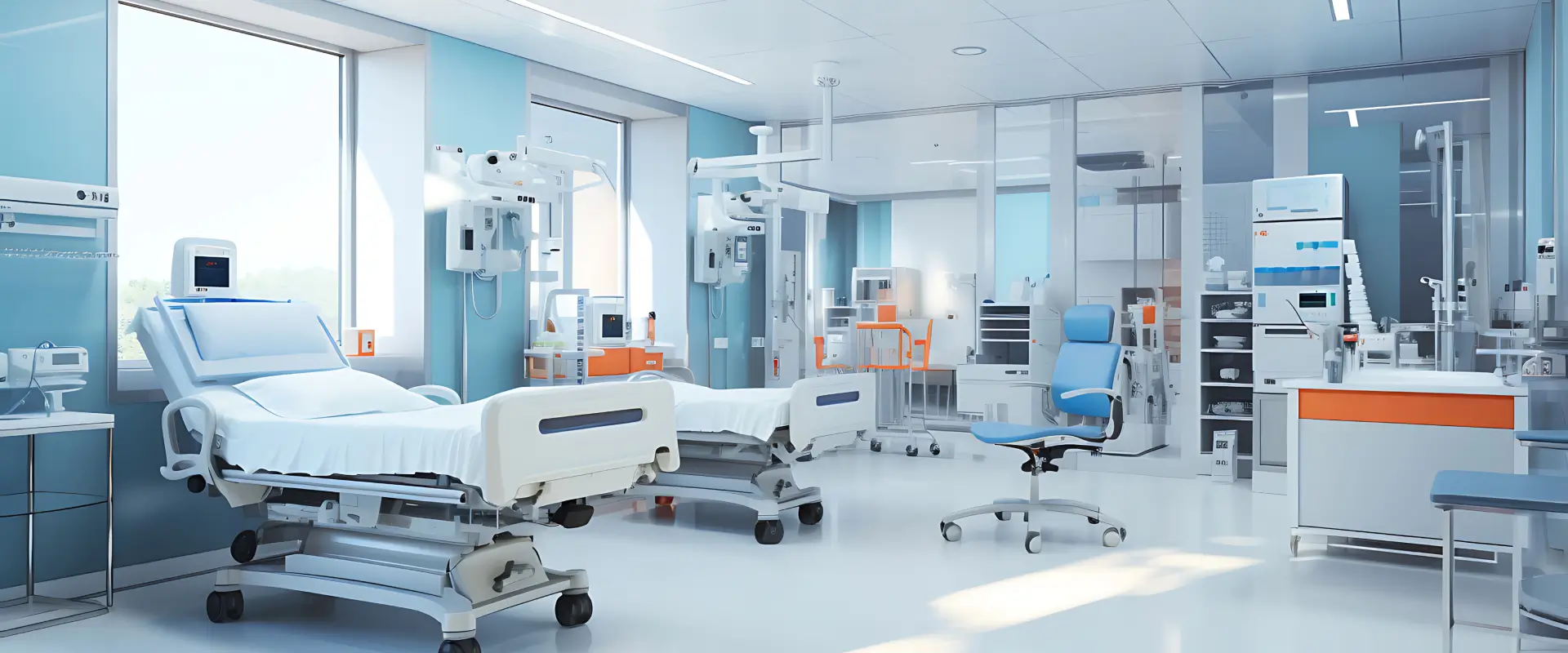
The training takes place across several major facilities: SUNY Downstate University Hospital, Kings County Hospital Center, Coney Island Hospital, and the prestigious Memorial Sloan-Kettering Cancer Center. These facilities host a robust array of services catering to a diverse pediatric population, providing residents exposure to various subspecialties and acute care services.
8
Didactic Training
The didactics program includes a robust calendar of conferences, morning reports, and rounds that occur regularly. Special sessions cover core competencies and give residents opportunities to engage in multidisciplinary discussions, promoting comprehensive understanding and learning across pediatric specialties.
9
Conclusion
Overall, the Pediatric Residency Program at SUNY Downstate Health Sciences University offers an enriching and extensive training experience for those looking to embark on a career in pediatrics. Through diverse clinical encounters, supportive faculty mentorship, and access to a variety of resources and research opportunities, residents are well-prepared to enter the field as competent and compassionate pediatricians.
10
Web Sources
- Residency Program at SUNY Downstate
- Training Experience Overview
- Critical Care Rotations
- Research and Scholarly Activities
- Residency Application Requirements
- Compensation & Benefits
- Pediatric Fellowship Opportunities
- Residency Program Sites
- Didactic Components of the Program
- Introduction to the Residency Program
Director
Coordinators
Program
Training
Quality of Life
Admission
Location
Living in Brooklyn, NY
Brooklyn, a borough of New York City, offers a diverse and vibrant living experience with a mix of cultures, activities, and amenities.
- Crime Rate & Safety: Brooklyn has both safe and less safe neighborhoods. It's important to research specific areas for safety.
- Fun Activities: Brooklyn has a vibrant art scene, numerous parks, trendy restaurants, and cultural events throughout the year.
- Climate: Brooklyn experiences all four seasons with warm summers and cold winters.
- Races and Population: Brooklyn is known for its diverse population with various races and cultures living together.
- Education: Brooklyn has a range of educational institutions, including colleges, universities, and schools.
- Cost of Living: The cost of living in Brooklyn can be high, especially in certain desirable neighborhoods.
- Proximity to Other Cities: Brooklyn is close to Manhattan, approximately a 30-60 minute drive, depending on traffic.
- Pros: Cultural diversity, plenty of entertainment options, convenient public transportation.
- Cons: High cost of living, traffic congestion, some areas may have safety concerns.