
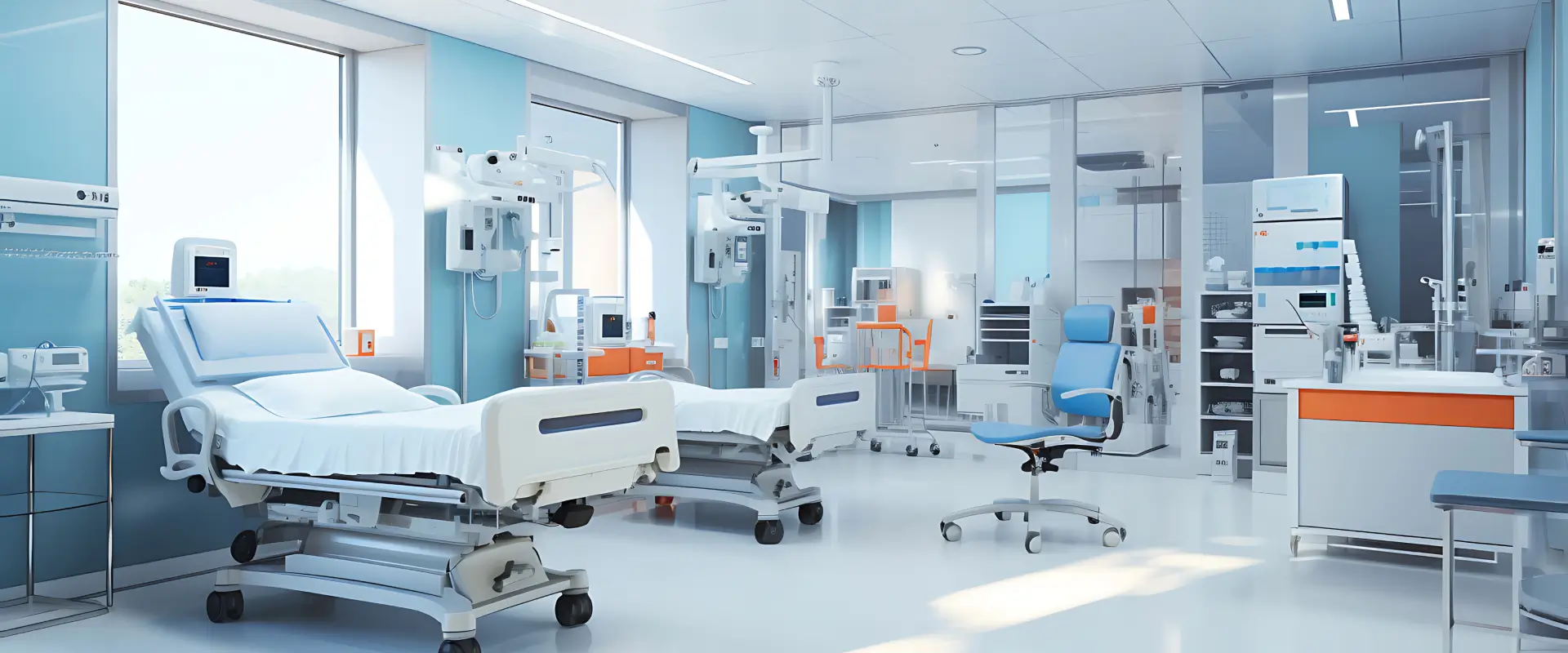
Unity Health-White County Medical Center Program
The Transitional Year Residency Program at Unity Health – White County Medical Center is designed to prepare residents for their next steps toward advanced specialty training. This one-year ACGME-accredited program emphasizes the development of a strong foundation in clinical knowledge, clinical reasoning, and professionalism crucial for future practice in various medical specialties.1
Curriculum Overview
The curriculum is structured to maximize the educational experience through a combination of formal didactic sessions, simulation training, and asynchronous education. The formal didactics consist of traditional lectures, ACP Board Prep Curriculum, case presentations, monthly journal club, and morbidity and mortality conferences. The typical weekly schedule includes:
- Monday: 1 to 2 p.m.
- Tuesday: 12 to 1 p.m.
- Wednesday: 12 to 1 p.m.
- Thursday: 12 to 1 p.m.
- Friday: 12 to 2 p.m.
This structured learning approach is aimed at enhancing the resident’s understanding and application of essential medical knowledge.1
Simulation Training
Simulation training is conducted on the first and third Fridays of each month, focusing on essential skills such as code blue responses and procedural techniques like Point of Care Ultrasound (POCUS). Residents benefit from hands-on experiences directed by Internal Medicine chiefs and attendings who mentor them in practical applications of their training.1
Clinical Rotations
The PGY-1 year includes significant clinical exposure with the following rotation structure:
- 4 months of Inpatient Internal Medicine
- 1 month of Nephrology
- 1 month of Night Float (divided into two 2-week rotations)
- 1 month of Emergency Medicine
- 1 month of Outpatient Medicine (options include Pediatrics, Family Medicine, or Women’s Health)
- 1 month of Hematology/Oncology
- 3 months of Electives
This diverse exposure is intended to provide a comprehensive understanding of various subspecialties and prepare residents for their subsequent training periods.1
Research Opportunities
The program promotes scholarly activity, encouraging residents to engage in research projects that can lead to presentations at conferences and publications in medical journals. Resources are allocated for residents to work closely with faculty on research, emphasizing continuous personal and professional development.1
Unique Aspects of the Program
Unity Health emphasizes a supportive environment, recognizing the need for a work-life balance. The program actively cultivates a culture of respect and inclusion among its residents and staff, fostering personal well-being while developing professional competencies.1
Visa Support and Competitiveness
The Transitional Year Residency Program at Unity Health supports various visa types, including J-1 and H-1B visas for international medical graduates. The program is known to be competitive, accepting a diverse group of residents each year and encouraging applications from both US and international medical graduates.1
Application Requirements
Applications for the Transitional Year Program are accepted only through the Electronic Residency Application Service (ERAS). The program requires that preferred applicants meet specific criteria, including:
- Within two years of medical school graduation
- USMLE scores of 205 or greater, particularly on Part II, or COMLEX scores of 450 or greater
- Dean’s letter or Medical Student Performance Evaluation (MSPE)
- Three letters of recommendation
- ECFMG certification, if applicable, by June 2024
Furthermore, the program will not accommodate observerships, emphasizing a straightforward and transparent application process for all potential residents.1
Program Leadership and Faculty
The program is led by an experienced team dedicated to guiding residents through a transformative learning experience. The faculty consists of professionals from diverse educational backgrounds, including those from esteemed institutions, providing residents with a broad spectrum of insights into medical practices and specialties.1
Web Sources
Director
Coordinators
Program
Training
Quality of Life
Admission
Match History
Location
Living in Searcy, AR
- Crime Rate and Safety: Searcy has a relatively low crime rate compared to national averages, making it a safe place to live.
- Fun Activities: Searcy offers outdoor activities like hiking, fishing, and camping. The city also has parks, museums, and local events for residents to enjoy.
- Climate: Searcy experiences hot summers and mild winters. Residents can expect a fair amount of rainfall throughout the year.
- Races and Population: The population of Searcy is diverse, with a mix of various races and ethnicities contributing to the community.
- Education: Searcy has educational institutions like Harding University, providing opportunities for continuing education and cultural events.
- Cost of Living: The cost of living in Searcy is lower than the national average, making it an affordable place to reside.
- Proximity to Bigger Cities: Searcy is located about 1.5 hours northeast of Little Rock, the capital city of Arkansas, which offers more urban amenities and entertainment options.
- Pros: Affordable cost of living, diverse population, outdoor activities, proximity to Little Rock.
- Cons: Limited amenities compared to larger cities, weather can be hot in summers.