
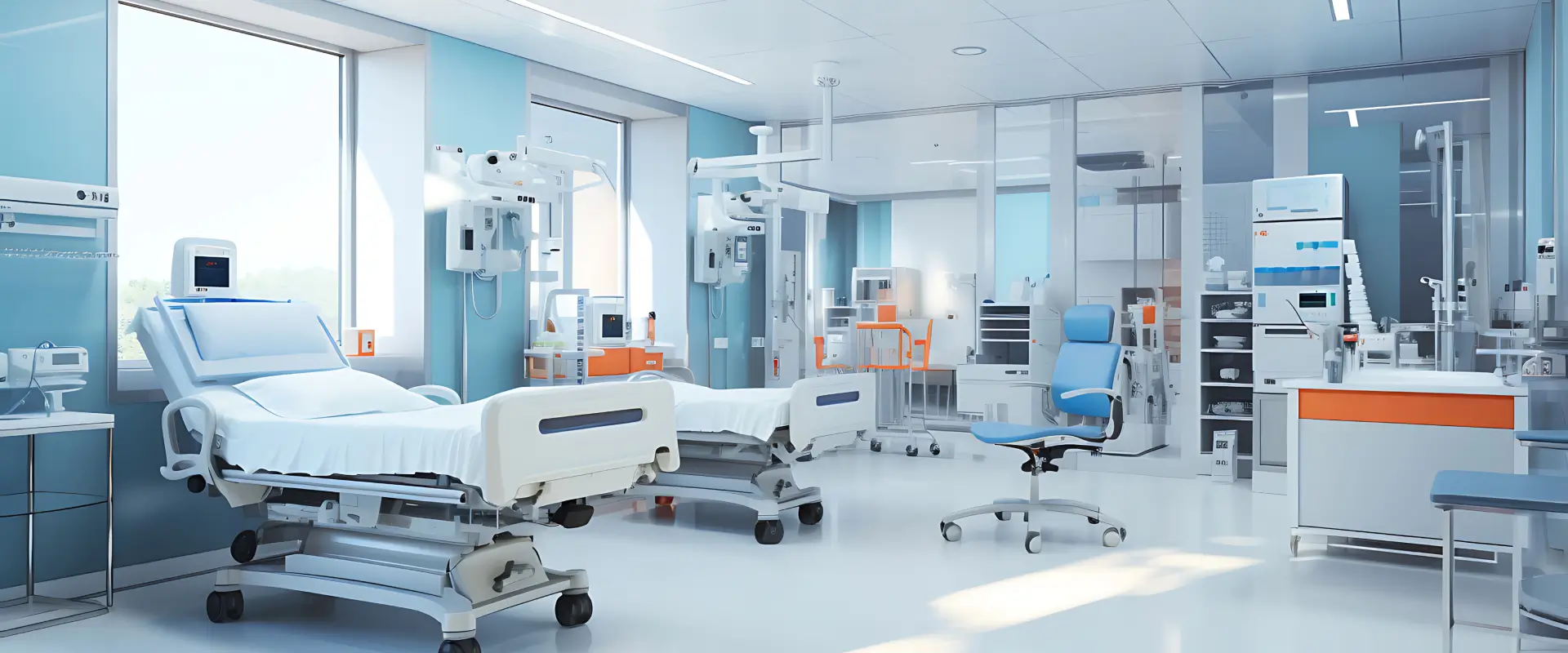
University of Miami/Jackson Health System Program
The University of Miami/Jackson Health System Interventional Radiology – Integrated Residency Program provides a robust training environment for medical graduates seeking to specialize in interventional radiology. The program’s commitment is to deliver state-of-the-art, safe, and compassionate care while training the next generation of innovators and leaders in this field. With an average of 21,000 patients seen annually, the program is recognized for performing a high volume of procedures, notably among the leaders in prostate artery embolizations within the country.
Program Structure and Curriculum
The residency encompasses a total of five years of training. The initial three years are dedicated to diagnostic radiology, laying a solid foundation in various imaging techniques including abdominal imaging, cardiothoracic imaging, and pediatric radiology. Emphasis is placed on gaining experience across a broad spectrum of cases while ensuring residents are well-prepared to take the American Board of Radiology Core Examination for board certification in diagnostic radiology 1.
In the final two years, residents transition into advanced interventional radiology training, focusing on clinical skills and procedural expertise. Their responsibilities include managing inpatient care and conducting a range of procedures such as embolization therapies, transplant interventions, and percutaneous ablations. This progressive structure allows residents to gain competency in a variety of procedures and to assume increased responsibilities as they advance through the training stages 1.
Training Locations
The primary site for the residency is the Jackson Memorial Hospital, a prestigious tertiary referral center equipped with over 1,500 beds. This facility offers a diverse patient population and a high volume of complex cases, including trauma and transplant interventions. Additionally, residents rotate through several critical care centers, including UHealth Tower, Sylvester Comprehensive Cancer Center, Bruce W. Carter Department of Veterans Affairs Medical Center, and The Lennar Foundation Medical Center 1.
These varied training sites are equipped with state-of-the-art technology, including multiple angio suites and advanced imaging facilities. Approximately 25 to 30 interventional procedures are conducted daily at Jackson Memorial, ensuring ample opportunities for residents to engage in hands-on learning in a dynamic clinical environment 1.
Research Opportunities
Research is an integral part of the residency, with opportunities available in both clinical and translational domains. The program supports numerous resident-led research projects and has external funding for various studies, including those focusing on intratumoral virus injections and other transformative interventions in interventional radiology. Residents have access to dedicated research facilities, including an Interventional Oncology Robotics Laboratory 1.
Visa Support and Application Requirements
The program offers visa sponsorship, particularly the J1 Visa under the Alien Physician Program for international medical graduates. All residents must successfully complete Step 1 of the United States Medical Licensing Examination (USMLE), with conditions attached regarding Step 2 and graduation from medical school prior to program initiation 1.
Applications are required to be submitted through the Electronic Residency Application Service, with no out-of-match positions available. Candidates are encouraged to apply as early as possible during the admission cycle.
Competitiveness and Notable Program Features
Due to the program’s comprehensive training structure, high case volume, and robust clinical exposure, it is regarded as a highly competitive residency. There may be additional special application requirements that prospective candidates should prepare for, particularly regarding academic performance and previous training 1.
Another significant aspect of the program is its fostering of a supportive learning environment, which encourages close faculty-resident interactions. This mentorship culture plays a crucial role in shaping skilled professionals equipped to excel in the demanding field of interventional radiology.
Finally, the program’s location in Miami offers residents an exceptional quality of life, characterized by a vibrant cultural milieu, beautiful weather, and a range of recreational opportunities, further enhancing the residency experience.
Director
Coordinators
Program
Training
Quality of Life
Admission
Match History
Location
Living in Miami, FL
Miami, FL is a vibrant and diverse city known for its beautiful beaches, rich culture, and bustling nightlife. Here's what you can expect living in Miami:
- Crime Rate and Safety: Miami has areas with varying levels of safety, so it's important to research your neighborhood. Overall, the city has a moderate crime rate.
- Fun Activities: Miami offers a wide range of activities, from water sports and beach days to exploring historic neighborhoods like Little Havana and Wynwood.
- Climate: Miami has a tropical monsoon climate with hot and humid summers and warm winters. Be prepared for frequent rain showers, especially during the summer months.
- Races and Population: Miami is a melting pot of cultures, with a diverse population including a significant Cuban, Haitian, and South American community.
- Education: Miami is home to several universities and colleges, providing educational opportunities for both residents and visitors.
- Cost of Living: The cost of living in Miami can be high, especially when it comes to housing. It's essential to budget accordingly to afford living in the city.
- Proximity to Bigger Cities: Miami is relatively isolated from other major cities. The closest major city is Fort Lauderdale, which is about a 30-40 minute drive away, depending on traffic.
Pros: Diverse culture, beautiful beaches, vibrant nightlife.
Cons: High cost of living, traffic congestion.