
University of Michigan Program
The Pediatric Neurology Residency Program at the University of Michigan is a comprehensive five-year integrated training program designed to equip residents with the necessary skills and expertise in Pediatrics and Child Neurology. The program offers advanced education and clinical training, focusing on both general pediatrics and specialized child neurology was developed with a keen emphasis on creating competent and skilled pediatric neurologists.
Program Structure
The residency is structured as follows: Residents complete two years of pediatric training followed by three years of focused training in neurology, which includes a blend of adult and child neurology rotations. This approach allows them to gain valuable experience in both disciplines, which is critical given the interconnectedness of pediatric and adult neurological care.
Curriculum Overview
The curriculum is designed to provide a well-rounded education and includes various clinical rotations. Residents participate in inpatient and outpatient services, covering a diverse range of neurological disorders affecting children, adolescents, and young adults. Exposure to subspecialties such as Pediatric Epilepsy, Neuromuscular Disease, Neurocritical Care, and more ensures comprehensive training. The curriculum allows joint teaching conferences with other specialties such as Neonatology and Pediatric Critical Care.
Clinical Training
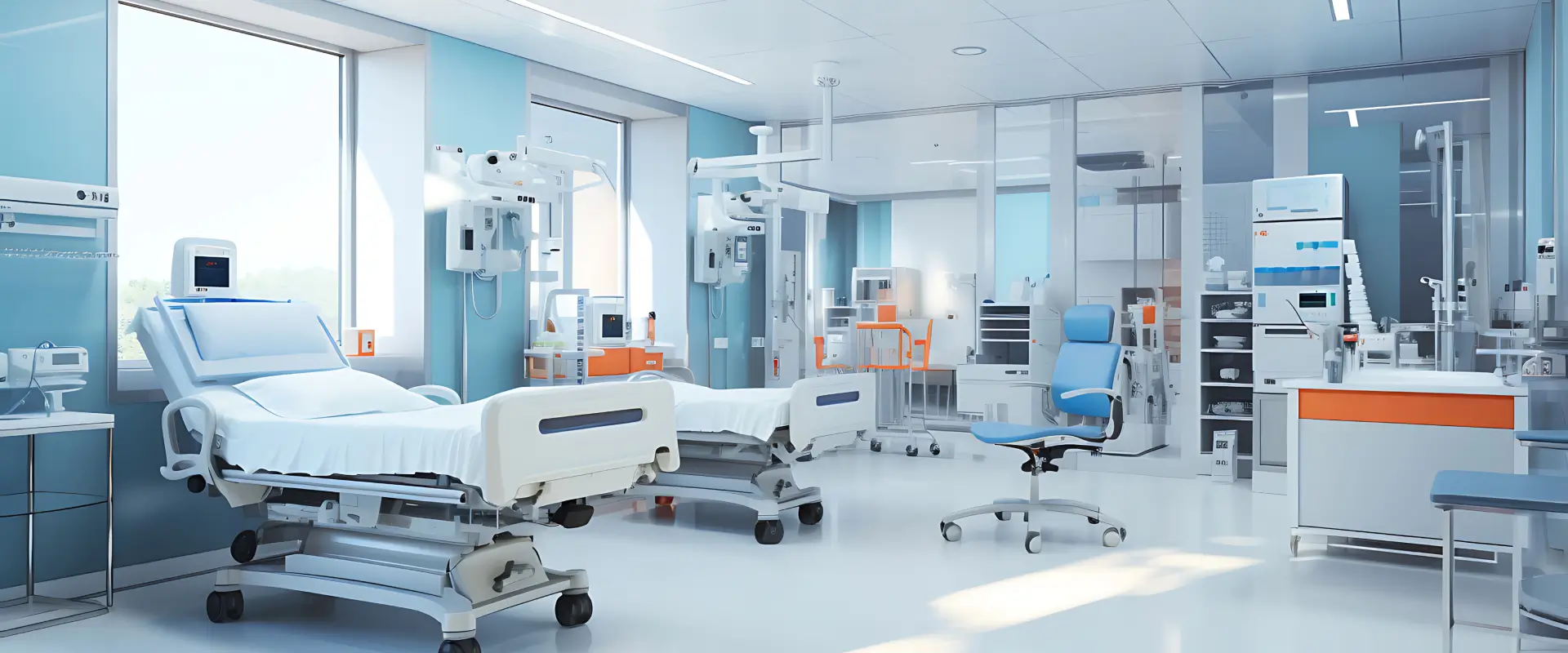
Clinical training takes place primarily in C.S. Mott Children’s Hospital, allowing residents access to cutting-edge facilities and resources. The hospital features extensive patient care services, including EEG monitoring capabilities that allow for thorough evaluation of patients’ neurological status. The residency includes diverse experiences ranging from emergency consultations to comprehensive follow-ups, with approximately 35 new consults each week across inpatient and outpatient services.
Research Opportunities
The division is heavily invested in research, offering residents opportunities to participate in various studies. The program encourages graduates to engage in academic contributions, with many residents presenting at national conferences. Research areas include genetic aspects of epilepsy, effects of pediatric neurological disorders, and healthcare disparities.
Unique Aspects of the Program
One of the standout features of the program is its commitment to resident wellness. With dedicated resources, including a Resident Wellness Committee, fitness facilities, mental health resources, and social events, the program takes a holistic approach to trainee health and well-being. This not only helps in creating a supportive environment but also nurtures personal growth.
Diversity, Equity, and Inclusion
The Pediatric Neurology Division actively promotes diversity, equity, and inclusion within its ranks. It aims to mirror the variety of patient backgrounds and strives to foster a welcoming atmosphere for residents from diverse genders, ethnicities, and orientations. This initiative helps cultivate an environment that values each member’s unique perspective while promoting healthcare equity.
Application Information
When considering applying for the residency, candidates must meet specific eligibility requirements such as completion of medical school and obtaining a license to practice medicine in the state of Michigan. The program is known to be competitive, yet it is welcoming to DO and IMG candidates.
Visa Support
The program offers sponsorship for J-1 visa applicants, allowing international medical graduates to participate in the residency program. This adds to the program’s diversity while providing opportunities for talented residents from around the world.
Resident Life
Residents are encouraged to maintain a work-life balance. Various social activities and committees are in place to facilitate community building among residents, creating a family-like culture within the program. Ann Arbor itself is recognized as one of the best places to live in the U.S., providing a vibrant environment with ample recreational and cultural opportunities.
Contact Information
For more detailed application instructions and insights about the residency, you can explore the program’s curriculum and faculty information online.
12345678910111213
Web Sources
- Pediatric Neurology Residency and Education
- Meet our Team | Pediatrics | Michigan Medicine | University of Michigan
- Learning Experience | Pediatrics | Michigan Medicine | University of Michigan
- Clinical Training | Pediatrics | Michigan Medicine | University of Michigan
- Diversity, Equity, and Inclusion | Pediatrics | Michigan Medicine | University of Michigan
- Resident Wellness | Pediatrics | Michigan Medicine | University of Michigan
- Research | Pediatrics | Michigan Medicine | University of Michigan
- Application Information | Pediatrics | Michigan Medicine | University of Michigan
- Team Member Recognition | Pediatrics | Michigan Medicine | University of Michigan
- Pediatric Cardiology | Pediatrics | Michigan Medicine | University of Michigan
- Medical Student Rotations | Pediatrics | Michigan Medicine | University of Michigan
- Pediatric Neurology Faculty Positions Available | Pediatrics | Michigan Medicine | University of Michigan
- C.S. Mott Children's Hospital | Pediatrics | Michigan Medicine | University of Michigan
Director
Coordinators
Program
Training
Quality of Life
Admission
Match History
Location
Living in Ann Arbor, MI
- Crime Rate and Safety: Ann Arbor is known for being a safe city with a relatively low crime rate compared to other cities of its size.
- Fun Activities: Ann Arbor has a vibrant cultural scene with plenty of art galleries, restaurants, and live music venues. Outdoor enthusiasts can enjoy parks and nature trails.
- Climate: Ann Arbor experiences four distinct seasons with cold winters and warm summers. Residents can enjoy the changing seasons.
- Races and Population: Ann Arbor has a diverse population with a mix of races and ethnicities, contributing to a rich cultural environment.
- Education: Ann Arbor is home to the University of Michigan, offering educational opportunities and cultural events.
- Cost of Living: The cost of living in Ann Arbor is relatively high compared to other cities in Michigan, mainly due to the university's influence on the local economy.
- Proximity to Bigger Cities: Detroit is approximately 45 minutes away by car from Ann Arbor. Detroit offers a more urban experience with a wide range of activities and cultural attractions.