
University of Michigan Program
The Pediatric Residency Program at the University of Michigan, located at C.S. Mott Children’s Hospital, is designed to train compassionate and skilled pediatricians dedicated to providing exemplary patient-centered care. The program offers a comprehensive curriculum that emphasizes both clinical and academic excellence, equipping residents with the necessary skills for their future careers in pediatrics.
Curriculum Overview
The curriculum integrates rigorous clinical training with structured educational components to ensure that residents develop a thorough understanding of pediatric medicine. The program includes rotations across various pediatric specialties, including General Pediatrics, Pediatric Emergency Medicine, and subspecialties such as Pediatric Cardiology, Pediatric Critical Care, and Pediatric Hematology-Oncology. Residents also engage in research and quality improvement projects that contribute to their professional development and enhance patient care.
Training Sites
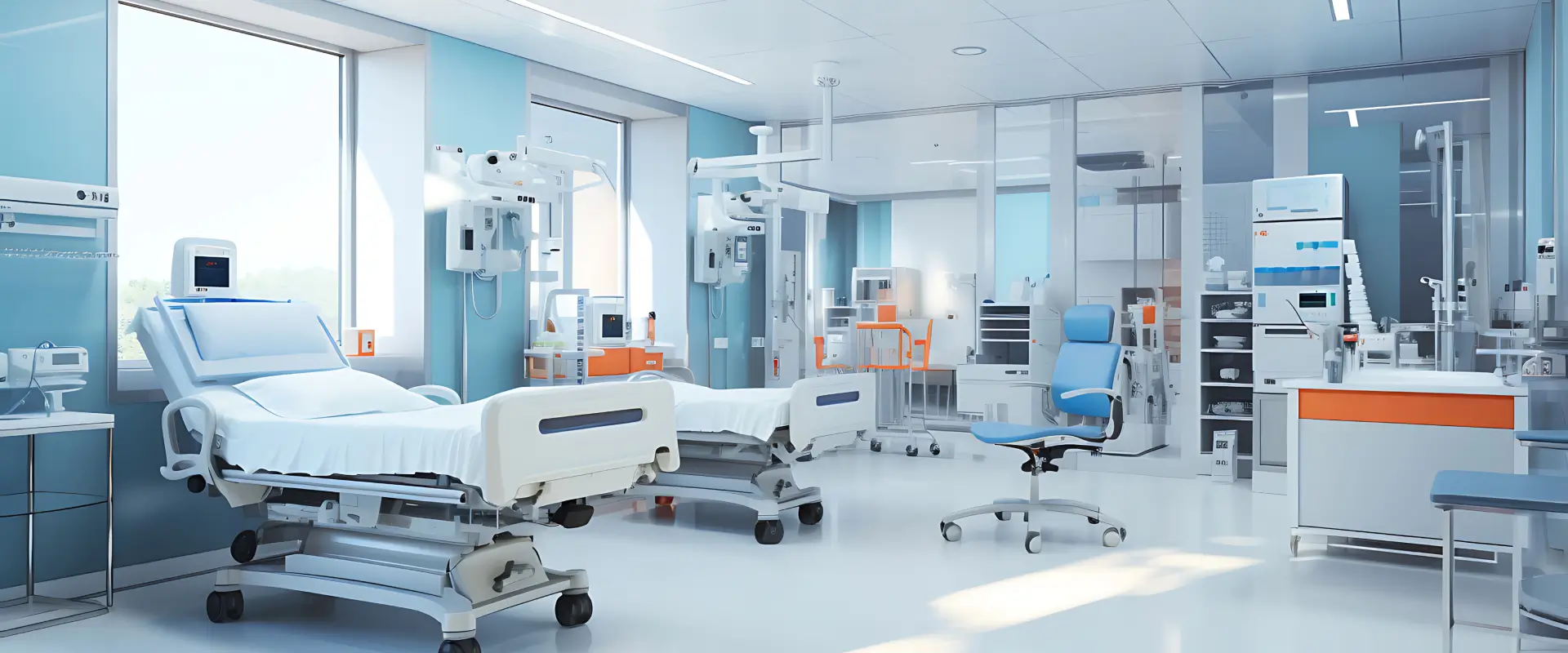
Residents primarily train at C.S. Mott Children’s Hospital, which features advanced facilities such as a Level 1 Pediatric Trauma Center and a Magnet-designated nursing team. The hospital provides a diverse and high-volume patient population, with over 40,000 emergency department visits annually and nearly 8,700 hospital discharges. Training is supplemented at various satellite clinics offering continuing care and community outreach.
Research Opportunities
The residency program encourages residents to participate in research through the Pediatric Physician-Scientist Training Program (PPSTP). Residents interested in research careers are provided with dedicated research time, mentorship, and resources to foster their academic pursuits. The program supports a wide range of research initiatives, from clinical to basic science.
Unique Aspects of the Program
The Pediatric Residency Program at Michigan is committed to diversity, equity, and inclusion. The program integrates education about health equity into all aspects of training, with initiatives aimed at recruiting and retaining a diverse resident cohort. Furthermore, residents are actively engaged in advocacy through the Michigan Pediatrics Advocacy Collaborative Team, which aims to address public policy issues affecting child health.
Resident Well-Being
Recognizing the demanding nature of residency, the program prioritizes resident well-being through various resources. Residents benefit from a supportive environment that promotes work-life balance, including access to wellness services and the House Officer Association, which advocates for improved working conditions and resident benefits.
Competitiveness and Application Requirements
The Pediatric Residency Program is highly competitive, with a strong applicant pool from both MD and DO graduates, as well as international medical graduates. To apply, candidates must meet several requirements, including having passed USMLE Step 1 and Step 2 CK or COMLEX Level 1 and Level 2. Additionally, applicants must possess a J-1 visa or be US citizens. The program encourages applicants who embrace a commitment to social justice and diversity in medicine.
Visa Support
The University of Michigan is committed to supporting international applicants through J-1 and H-1B visa sponsorship. This indicates a robust support system for international medical graduates seeking training in the program.
Life in Ann Arbor
Residents enjoy living in Ann Arbor, a vibrant college town known for its cultural diversity, educational opportunities, recreational activities, and vibrant artscene. The community provides numerous amenities, including restaurants, parks, and opportunities for outdoor activities, contributing to a fulfilling lifestyle during residency.
Positive Resident Perspectives
Current residents report a collaborative environment where peer support and mentorship thrive. The sense of community fosters not only professional growth but also lasting social connections.
In summary, the Pediatric Residency Program at the University of Michigan stands out as a premier training opportunity in a supportive, innovative environment with a commitment to equity, inclusivity, and comprehensive pediatric training.
Web Sources
Director
Coordinators
Program
Training
Quality of Life
Admission
Match History
Location
Living in Ann Arbor, MI
- Crime Rate and Safety: Ann Arbor is known for being a safe city with a relatively low crime rate compared to other cities of its size.
- Fun Activities: Ann Arbor has a vibrant cultural scene with plenty of art galleries, restaurants, and live music venues. Outdoor enthusiasts can enjoy parks and nature trails.
- Climate: Ann Arbor experiences four distinct seasons with cold winters and warm summers. Residents can enjoy the changing seasons.
- Races and Population: Ann Arbor has a diverse population with a mix of races and ethnicities, contributing to a rich cultural environment.
- Education: Ann Arbor is home to the University of Michigan, offering educational opportunities and cultural events.
- Cost of Living: The cost of living in Ann Arbor is relatively high compared to other cities in Michigan, mainly due to the university's influence on the local economy.
- Proximity to Bigger Cities: Detroit is approximately 45 minutes away by car from Ann Arbor. Detroit offers a more urban experience with a wide range of activities and cultural attractions.