
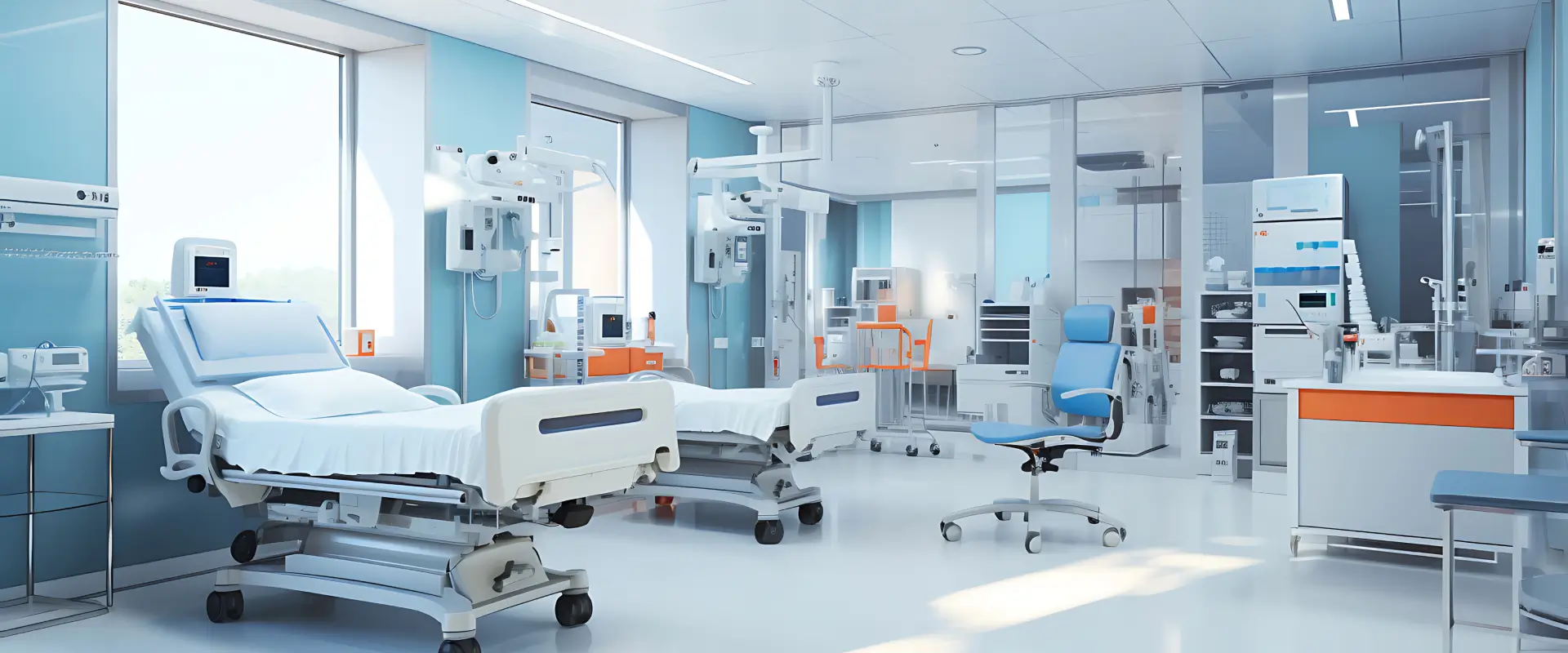
University of New Mexico School of Medicine Program
The Neonatal-Perinatal Fellowship Program at the University ofNew Mexico School of Medicine provides exceptional training in thecare of critically ill newborns, focusing on evidence-basedpractices. As the only Level IV NICU in New Mexico, the programoffers comprehensive clinical experiences and educationalopportunities to foster the development of skilledneonatologists.
Curriculum Overview
The fellowship is a three-year program accredited by the ResidencyReview Committee of the Accreditation Council for Graduate MedicalEducation. The training encompasses a wide range of clinicalexperiences, including direct patient care in the NeonatalIntensive Care Unit (NICU), developmental follow-up, and perinatalconsultation. The clinical training primarily occurs at theUniversity of New Mexico Children’s Hospital and the UNM HealthSciences Center, both of which boast state-of-the-art facilities.The fellows participate in a series of didactic sessions thatinclude a 3-day annual Neonatal Skills Lab using high-fidelitysimulation, Neonatology conferences, and seminars specificallytailored for neonatal fellows, ensuring a robust learningenvironment 1.
Clinical Rotations and Experiences
The fellows’ clinical training is comprehensive and designed toprovide exposure to a diverse patient population. Within the firstsix months, fellows focus heavily on acquiring procedural skills,including intubations, umbilical line placements, and central lineplacements. With increasing responsibility over the fellowshipperiod, fellows learn to manage complex medical and surgicalproblems. Each clinical block consists of 52 weeks of service overthree years, with opportunities to front-load service weeks in thefirst two years 3.
Service and Call Responsibilities
Fellows are expected to complete about 150 calls during thefellowship, comprising weekday and weekend duties. Light callresponsibilities are offered in the third year to facilitate afocus on educational and research initiatives 4.
Research Opportunities
The fellowship emphasizes scholarly activities, allowing fellows todedicate around 24 months of protected non-clinical time toresearch projects. By working closely with research mentors,fellows are equipped to take on various basic science or clinicalstudies, particularly those affiliated with the NICHD NeonatalResearch Network and the Vermont Oxford Network. Fellows’ researchwork also includes collaborations with a multitude of facultymembers across different disciplines within the Health Sciencessystem at UNM 5.
Unique Aspects of the Program
The UNM Neonatal-Perinatal Medicine Fellowship prides itself ondiversity and inclusivity in its training environment. The programactively seeks to prepare fellows for diverse clinical scenariosthey may encounter throughout their practice. With a patientpopulation that reflects unique familial and cultural backgrounds,fellows encounter various clinical situations, including rarediagnoses 6.
Educational Conferences
The fellowship incorporates numerous educational conferences,including the Neo Grand Rounds and a monthly Journal Club thatfosters critical evaluation of current neonatal literature. Thesediscussions are pivotal in the learning process and aid fellows instaying updated on best practices in neonatal care 7.
Visa Support and Sponsorship
The Neonatal-Perinatal Fellowship program provides visa support andsponsors J1 visas for candidates who meet the eligibility criteria.International medical graduates who have completed their pediatricresidency training in the U.S. are encouraged to apply8.
Application Requirements and Competitiveness
The application process is competitive, necessitating applicants tohave completed three years of pediatric residency training in anACGME accredited program. A strong application must includeofficial medical school transcripts, USMLE transcripts, a personalstatement, and letters of recommendation. There are no specifiedlimits on failed STEP exams; however, candidates must demonstratethe competency expected of a resident 9.
Living in Albuquerque
Albuquerque offers a unique blend of urban living and small-towncharm, providing a supportive and enriching environment forfellows. The city is known for its cultural diversity, beautifullandscapes, and a vibrant social scene that enhances the overallfellowship experience. The cost of living is relatively affordable,allowing fellows to enjoy a balanced lifestyle while pursuing theirtraining 10.
Web Sources
Director
Coordinators
Program
Training
Quality of Life
Admission
Location
Living in Albuquerque, NM
Albuquerque, NM is a city rich in culture and history. Here is a breakdown of what it's like living in Albuquerque:
- Crime Rate and Safety: Albuquerque has some areas with higher crime rates, so it's essential to research specific neighborhoods for safety.
- Fun Activities: Albuquerque offers a variety of outdoor activities such as hiking, biking, and hot air ballooning. The city also has a vibrant arts scene and hosts numerous cultural events throughout the year.
- Climate: Albuquerque experiences a semi-arid climate with hot summers and mild winters. Be prepared for temperature fluctuations throughout the day.
- Races and Population: Albuquerque has a diverse population with a mix of Hispanic, Native American, White, and other ethnicities.
- Education: Albuquerque is home to the University of New Mexico, providing educational opportunities and contributing to the city's cultural diversity.
- Cost of Living: The cost of living in Albuquerque is relatively low compared to other major cities, making it an attractive option for residents.
- Proximity to Bigger Cities: Albuquerque is about a 4-hour drive from Phoenix, AZ, and a 6-hour drive from Denver, CO. These cities offer additional cultural and entertainment options.
Pros: Rich culture, diverse population, lower cost of living.
Cons: Some areas with higher crime rates, temperature fluctuations.