
University of Rochester Medical Center Program
The Pediatric Critical Care Fellowship Program at Golisano Children’s Hospital, part of the University of Rochester Medical Center, is a comprehensive 3-year ACGME-accredited fellowship designed to cultivate outstanding pediatric intensivists. This program integrates clinical training, research, quality improvement, and educational skills within a supportive yet challenging environment emphasizing professional and personal balance 1.
Core Program Features
The fellowship offers a core program with individualized opportunities, allowing fellows to customize their training and scholarly pursuits according to individual interests and career goals.1 The small program size enhances fellow involvement in clinical cases, supporting personalized training modifications that align with the fellows’ strengths and interests 1.
Diverse Patient Population
Fellows are trained in a medically and demographically diverse patient population, which presents a full range of medical and surgical critical illnesses and necessitates collaboration with a wide range of pediatric medical subspecialists and surgical specialties 1.
Program Aims
The program is committed to educating and developing physicians who strive to provide the highest quality of patient care across various ages and diagnoses, with an emphasis on acute illness, complex chronic conditions, and end-of-life care 1. Fellows gain skills in research and quality improvement as well, fostering professional leadership within a multidisciplinary team setting 1.
Fellow Well-Being
Attention to fellow well-being is a cornerstone of this program, highlighted by a supportive environment that allows for flexible service and call schedules, thus promoting a healthy professional and personal balance 1.
Unique Aspects of the Program
This program provides access to multiple advanced degree opportunities, including a Master of Health Professions Education and a Master of Public Health, with considerable tuition waivers for fellows 1. The faculty’s broad range of clinical interests and academic expertise enrich the fellows’ learning experiences, providing robust mentorship and guidance 1.
Facilities and Resources
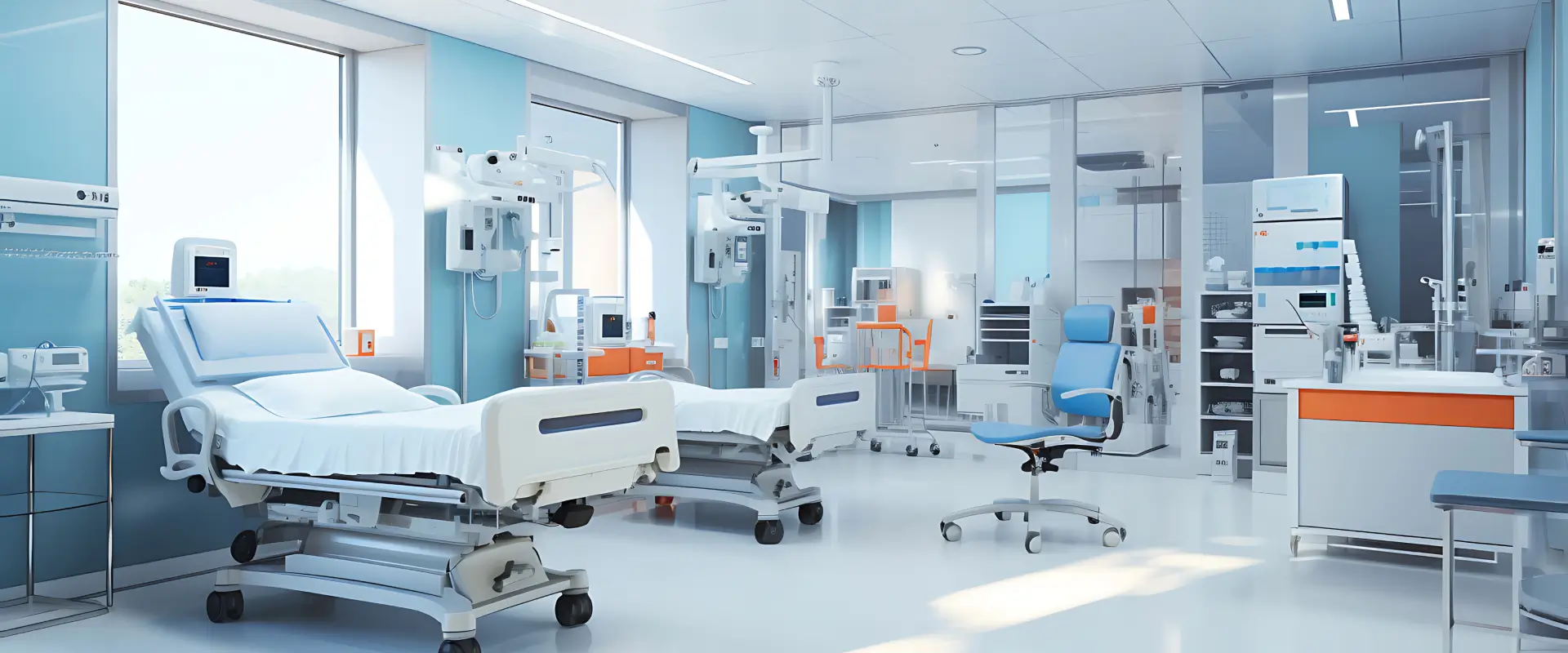
Golisano Children’s Hospital is equipped with state-of-the-art facilities including a 12-bed Pediatric Intensive Care Unit (PICU) and a 16-bed Pediatric Cardiac Care Unit (PCCC), serving a diverse group of pediatric patients 1. The proximity to various support services enriches the clinical environment, bolstering comprehensive education in managing critically ill children 1.
Curriculum and Rotations
The fellowship curriculum is structured to ensure that all fellows engage in scholarly activity and research across diverse disciplines, including clinical, translational, and educational research 1. Fellows identify and work closely with mentors, including a Scholarship Oversight Committee, to tailor their research projects aligned with personal career goals and contribute to the field significantly 1.
Application Requirements
The fellowship requires candidates to have completed an ACGME-accredited residency in general pediatrics or internal medicine/pediatrics 1. Specific additional application materials include a curriculum vitae, personal statements, and letters of recommendation, especially highlighting mentors from within the pediatrics department.
Visa Support and Competitiveness
The Pediatric Critical Care Fellowship supports various visa types, including J1 visas for international applicants. The program welcomes both U.S. and international medical graduates, making it relatively friendly toward DOs and IMG candidates 1.
Salary and Benefits
The salary for fellows is competitive, starting from $68,417 for PGY1 positions and incrementally increasing for subsequent years, reaching up to $89,245 by the PGY8 year 1.
Conclusion
With its holistic approach to pediatric critical care training, an emphasis on individualized curricula, strong mentorship, and diverse patient populations, the Pediatric Critical Care Fellowship at Golisano Children’s Hospital is designed to develop future leaders in the field while supporting their professional and personal wellness 1.
Web Sources
- Critical Care Fellowship Program - Pediatric Fellowships
- Cardiac Intensive Care Fellowship
- Contact Us - Department Overview
- Faculty - Critical Care
- Application Information - Critical Care Fellowship
- Equity & Inclusion - Graduate Medical Education
- Fellow Life - Critical Care Fellowship
- Fellowship Research - Critical Care Fellowship
- Our Fellows - Critical Care Fellowship
- Program Details - Critical Care Fellowship
- Salary and Benefits - Graduate Medical Education
- Pediatric Neurocritical Care Fellowship
- Divisions & Centers - Department of Pediatrics
- Department of Pediatrics - Rochester NY
Coordinators
Program
Training
Quality of Life
Admission
Location
Living in Rochester, NY
- Crime Rate and Safety: Rochester has a higher crime rate compared to the national average, with certain areas experiencing more crime. It's advisable to research the specific neighborhoods for safety.
- Fun Activities: Rochester offers a variety of cultural attractions, parks, and outdoor recreational opportunities. The city is known for its festivals, museums, and a lively arts scene.
- Climate: Rochester experiences four distinct seasons with cold winters, mild summers, and colorful fall foliage. Snowfall is common in winter.
- Races and Population: Rochester is a diverse city with a mix of different races and ethnicities, contributing to its rich cultural tapestry.
- Education: Rochester is home to several universities and colleges, providing educational opportunities for residents. The city also has a strong focus on K-12 education.
- Cost of Living: The cost of living in Rochester is lower than the national average, making it a more affordable option for residents.
- Proximity to Bigger Cities: New York City is approximately a 6-hour drive from Rochester, while Buffalo is about a 1.5-hour drive. Both cities offer a range of amenities, entertainment options, and cultural attractions.
- Pros: Affordable cost of living, diverse cultural offerings, strong educational institutions.
- Cons: Higher crime rate in certain areas, colder winters.